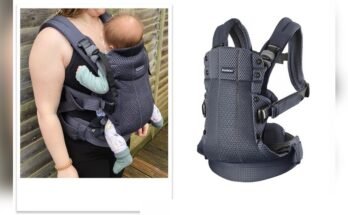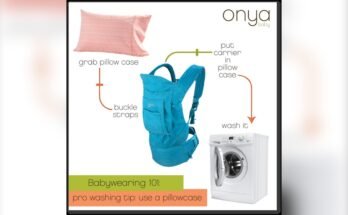
Choosing the right baby carrier can feel overwhelming with so many options out there. But you want what’s best for your little one’s comfort and safety, right?
What if you could pick a carrier that pediatricians actually recommend? You’ll discover which baby carriers meet the highest safety standards and why doctors trust them. Keep reading to find out how to keep your baby close, comfortable, and secure every time you step out.

Credit: stahlfabrik.com.br
Why Pediatrician Approval Matters
Pediatrician approval for baby carriers means the product meets strict health and safety rules. Parents trust these approvals to protect their babies. Pediatricians know the risks babies face when carried improperly. Their approval shows the carrier supports baby’s growth and comfort.
Choosing a baby carrier approved by pediatricians gives peace of mind. It helps parents avoid common problems like poor posture or breathing issues. This approval ensures the carrier is tested for safety and health benefits. It is a reliable sign that the product works well for babies and parents.
Safety Standards For Baby Carriers
Baby carriers approved by pediatricians follow high safety standards. These rules cover materials, design, and how the carrier supports the baby. The carrier must hold the baby securely without harming their developing body. It prevents falls and reduces the chance of accidents.
Testing includes checking the carrier’s strength and stability. It also looks at airflow to avoid overheating or suffocation risks. Pediatrician-approved carriers keep the baby’s head and neck in safe positions. These safety measures protect babies from common dangers.
Health Benefits For Babies And Parents
Approved baby carriers support a baby’s natural body shape. They help keep the hips in a healthy position to avoid hip dysplasia. The carrier allows babies to breathe easily and stay comfortable for longer times. This comfort helps babies stay calm and happy.
Parents also gain health benefits. Carrying a baby close helps build a strong emotional bond. It reduces stress and supports better sleep for both baby and parent. Good carriers distribute weight evenly, preventing back and shoulder pain for parents.
Key Features Of Safe Baby Carriers
Choosing a safe baby carrier is important for your child’s health and comfort. Pediatricians recommend carriers with specific features that support your baby’s growth and keep them secure. These features also make carrying easier for parents. Understanding these key aspects helps you pick the right carrier.
Ergonomic Support For Baby
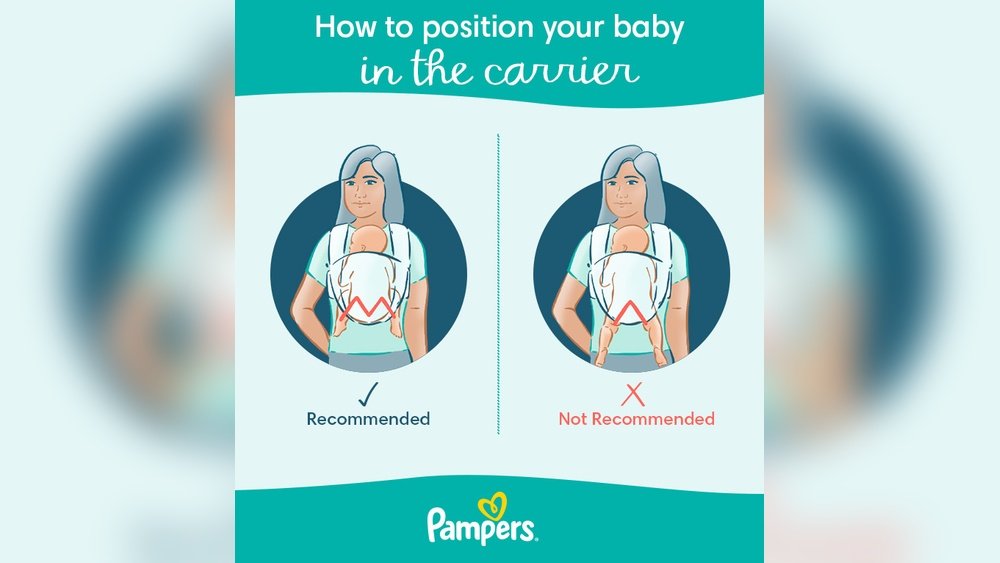
A good baby carrier supports the baby’s hips and spine properly. It keeps the legs in an “M” shape, with knees higher than the bottom. This position helps healthy hip development and reduces stress on the joints. The carrier should also support the baby’s head and neck, especially for newborns.
Comfort And Adjustability For Parents
Parents need carriers that fit well and feel comfortable. Wide, padded shoulder straps spread the baby’s weight evenly. Adjustable features let parents change the fit as needed. This reduces back and shoulder pain during long use. Carriers that can be worn in different positions add extra convenience.
Breathable And Non-toxic Materials
Materials affect both baby comfort and safety. Breathable fabrics help air flow, preventing overheating. Look for soft, natural fibers that feel gentle on the baby’s skin. Non-toxic, hypoallergenic materials reduce the risk of irritation. Always choose carriers made without harmful chemicals or dyes.
Top Pediatrician-approved Baby Carriers
Choosing a baby carrier approved by pediatricians ensures safety and comfort for your child. These carriers support healthy hip development and proper spine alignment. Parents trust these options for everyday use and long walks. Below are the top types of baby carriers recommended by experts.
Soft Structured Carriers
Soft structured carriers have padded straps and buckles for easy use. They provide strong support for your baby’s hips and back. These carriers keep babies close while allowing parents to move freely. Many models allow front and back carrying positions. Pediatricians approve them for proper hip positioning and comfort.
Wraps And Slings
Wraps and slings are made of soft, stretchy fabric. They wrap snugly around the body to hold the baby securely. These carriers are gentle on newborns and help with bonding. They allow baby to be held in a natural, curved position. Pediatricians recommend wraps and slings for infants and breastfeeding moms.
Hybrid Carriers
Hybrid carriers combine features of structured carriers and wraps. They offer adjustable support and easy wearing styles. These carriers adapt as your baby grows, providing long-term use. Pediatricians like hybrids for their ergonomic design and flexibility. They balance comfort for both baby and parent effectively.
Credit: grupothermotek.com
Age And Weight Guidelines
Choosing the right baby carrier depends a lot on your baby’s age and weight. Pediatricians recommend specific carriers designed to support babies safely at different stages. Using the correct carrier helps protect your baby’s hips and spine. It also makes carrying more comfortable for you. Understanding these age and weight guidelines is key to picking a safe and suitable carrier.
Newborn-specific Carriers
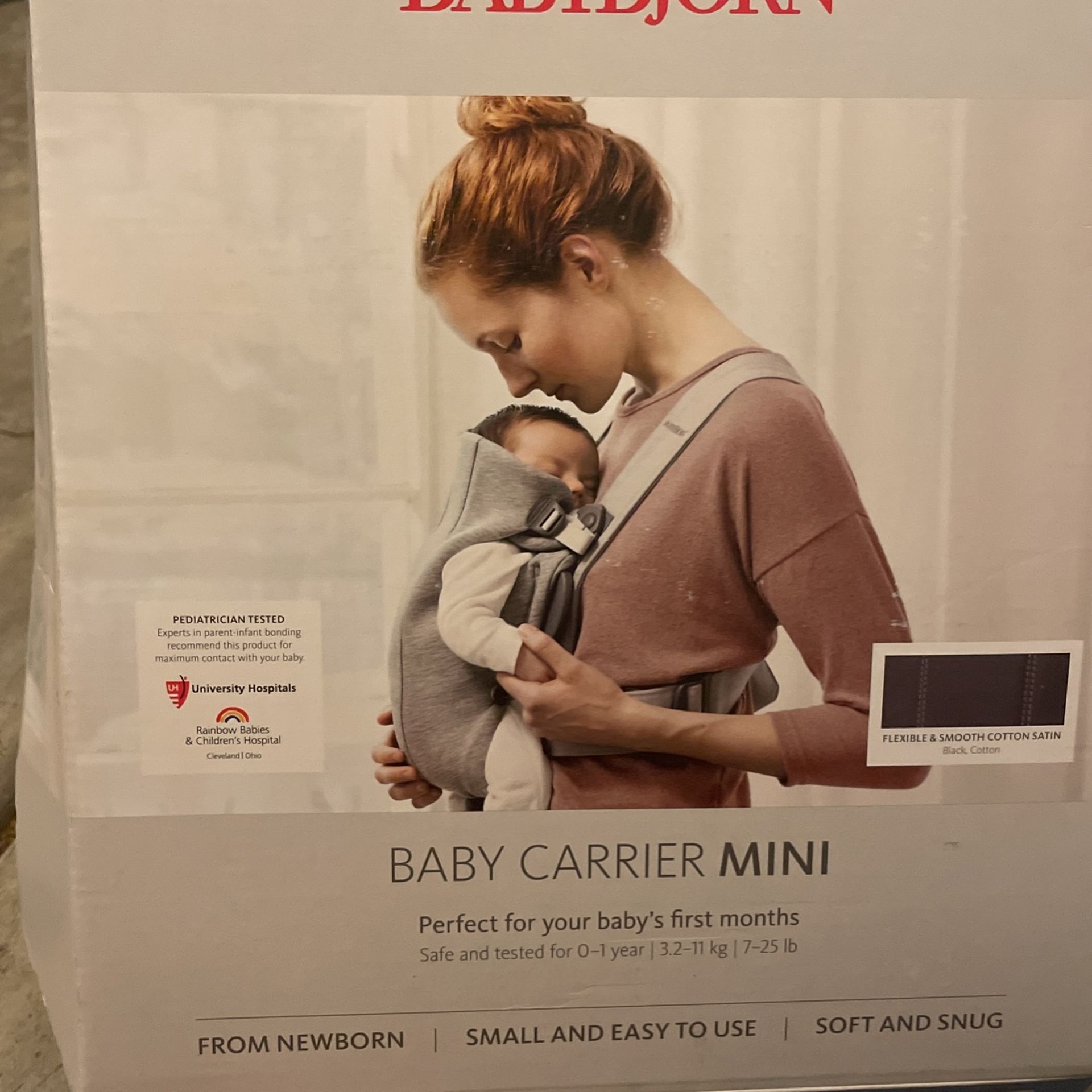
Newborns need extra head and neck support. Carriers designed for newborns keep babies in a natural, curled position. These carriers usually support babies from about 7 to 12 pounds. Many come with inserts to provide added support. This helps keep your baby’s hips in a healthy position. Soft, snug carriers made from breathable fabric are best. They help maintain your baby’s body temperature and comfort.
Carriers For Older Babies
Older babies have stronger muscles and need different support. Carriers for this age usually fit babies from 12 to 35 pounds. They offer more space for leg movement and better back support. These carriers allow different carrying positions, like front-facing or back carry. Adjustable straps and waistbands help distribute weight evenly. It makes carrying easier as your baby grows heavier. Look for carriers that support healthy hip development at all times.
Tips For Choosing The Right Carrier
Choosing the right baby carrier is important for both you and your baby. A good carrier supports your baby’s body and keeps you comfortable. It also fits your daily activities and needs. This section shares simple tips to help you find the best carrier approved by pediatricians.
Matching Carrier To Lifestyle
Think about your daily routine. Are you active outdoors or mostly at home? Some carriers work well for quick trips. Others suit longer walks or hikes. Choose a carrier that fits your lifestyle. Consider the weather and how often you will use it. Look for features like pockets or adjustable straps that help you stay comfortable.
Testing Fit And Comfort
Try the carrier before buying. Check if it fits your body well. Make sure it supports your baby’s hips and spine. Your baby should be close and snug but not too tight. Wear the carrier for a few minutes to feel how it holds weight. Comfort matters for both you and your baby.
Consulting Healthcare Providers
Ask your pediatrician or healthcare provider for advice. They know which carriers support healthy baby development. Share your needs and concerns with them. They can suggest carriers that are safe and comfortable. Their advice helps you make a smart choice for your baby’s health.
Common Safety Mistakes To Avoid
Using a baby carrier keeps your little one close and safe. Yet, some common safety mistakes can cause problems. Knowing these errors helps protect your baby and gives you peace of mind.
Incorrect Positioning
Positioning your baby wrongly can block their airways. Always keep the baby’s face visible and close enough to kiss. Make sure the baby’s chin is off their chest. This lets them breathe easily and reduces risk of suffocation.
Ignoring Weight Limits
Every carrier has a weight limit set by the maker. Using a carrier beyond this limit can cause damage or injury. Check the carrier’s instructions before use. It helps keep your baby safe and the carrier strong.
Neglecting Regular Carrier Checks
Carriers wear out over time. Regularly check for loose straps, tears, or broken buckles. Fix or replace damaged parts before each use. This simple habit keeps your baby secure and prevents accidents.

Credit: www.youtube.com
Frequently Asked Questions
What Baby Carriers Do Pediatricians Recommend?
Pediatricians often recommend ergonomic carriers that support healthy hip development. Brands like Ergobaby and BabyBjörn are popular. These carriers ensure proper spine and hip positioning for infants, promoting comfort and safety during use.
Are Soft-structured Carriers Safe For Newborns?
Yes, soft-structured carriers with adjustable support are safe for newborns. They provide proper head and neck support. Always check for infant inserts or adjustable features for newborns to ensure safety and comfort.
How To Choose A Pediatrician-approved Baby Carrier?
Choose carriers with ergonomic design, strong lumbar support, and breathable fabric. Look for pediatrician endorsements or certifications. Prioritize carriers that promote hip-healthy positioning and allow easy adjustments for growing babies.
Can Baby Wraps Be Pediatrician-approved?
Yes, baby wraps can be pediatrician-approved if they support proper spinal alignment. They should hold the baby snugly and allow hips to be in an “M” position. Parents must follow safety guidelines for wrapping techniques.
Conclusion
Choosing a baby carrier approved by pediatricians keeps your baby safe and comfortable. These carriers support healthy hip development and proper spine alignment. Always check for good padding and secure fastenings. A well-fitted carrier helps both you and your baby enjoy every moment.
Trust products that meet safety standards and expert advice. Your baby deserves the best care, starting with the right carrier. Simple choices make a big difference in your parenting journey. Safety first, comfort always.