You want the best for your baby, and keeping their bottles clean is a big part of that. But how often should you actually sterilize your baby’s bottles?
Doing it too little can put your little one at risk of harmful germs, while doing it too much might feel overwhelming and time-consuming. You’ll discover the perfect balance to keep your baby safe and healthy without adding extra stress to your routine.
Keep reading to find simple tips that make bottle sterilizing easy and effective every time.
Why Sterilize Baby Bottles
Sterilizing baby bottles is important for your baby’s health. Babies have weak immune systems. Germs and bacteria can easily make them sick. Cleaning bottles well is good, but sterilizing kills the harmful germs that normal washing might miss.
Sterilization helps keep your baby safe from infections and illnesses. It creates a cleaner feeding environment. This simple step protects your little one during their first months.
Risks Of Germs And Bacteria
Bacteria can grow quickly in bottles. Milk residue is a perfect place for germs. These germs can cause diarrhea, vomiting, and other infections. Even tiny amounts of bacteria can hurt your baby. Sterilizing removes these dangers and stops germs from spreading.
Health Benefits For Babies
Sterilized bottles reduce the chance of tummy troubles. Babies drink safely without germs. This helps them grow stronger and stay healthy. Clean bottles support good digestion and better sleep. Sterilizing also lowers the risk of ear and throat infections.
When To Sterilize Bottles
Sterilizing baby bottles helps keep your baby safe from germs. Knowing when to sterilize bottles is key. It stops harmful bacteria from growing. This section covers the best times to sterilize bottles. Follow these steps to protect your baby’s health.
New Bottles And First Use
Always sterilize new bottles before the first use. New bottles may have dust and factory residues. Sterilizing removes any dirt or germs. This step ensures your baby starts with clean bottles.
After Illness
Sterilize bottles after your baby is sick. Germs can stay on bottle surfaces. Cleaning only may not kill all bacteria. Sterilizing stops the spread of illness. Use boiling water or a sterilizer to be safe.
Daily Sterilization Needs
Daily sterilizing is not always necessary. Washing bottles with hot, soapy water often works. Sterilize daily only for newborns or premature babies. Also sterilize if your water supply is unsafe. Otherwise, clean bottles well and rinse thoroughly.
Sterilization Methods
Sterilizing baby bottles is key to keeping your baby safe from germs. Different methods work well to kill bacteria and other microbes. Choosing the right method depends on your needs and resources. Here are some common ways to sterilize bottles.
Boiling Water Technique
Boiling is a simple and effective method. Place bottles and parts in boiling water for at least five minutes. This kills most germs without chemicals. Use a large pot and keep the water boiling the whole time. Let bottles dry on a clean towel.
Steam Sterilizers
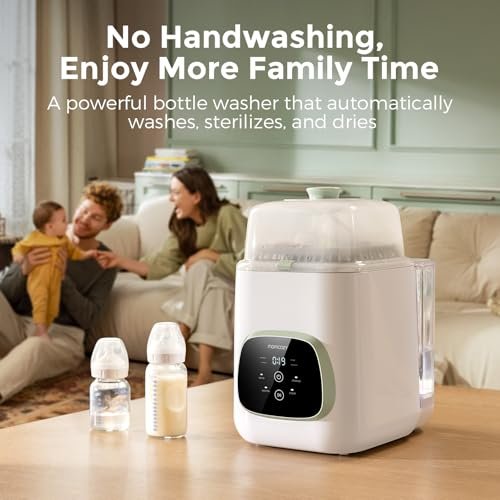
Steam sterilizers use hot steam to clean bottles quickly. They are electric and easy to use. Place bottles inside, close the lid, and start the cycle. Most cycles last about 6 to 15 minutes. Steam kills bacteria without using chemicals or water.
Microwave Sterilizers
Microwave sterilizers use steam from water to clean bottles fast. Put bottles and water in the sterilizer, then place it in the microwave. Heat for a few minutes as instructed. This method saves time and uses less energy. Make sure the sterilizer is microwave-safe.
Chemical Sterilizers
Chemical sterilizers use special tablets or liquids to kill germs. Soak bottles and parts in the solution for the time listed on the package. Rinse with boiled or cooled water before use. This method is good for travel or when no power source is available.

Frequency Recommendations
Sterilizing baby bottles is important to keep your baby safe from germs. The frequency depends on your baby’s age and health. Different stages need different care. Knowing how often to sterilize helps protect your baby’s health.
Newborns And Infants
For newborns and infants under six months, sterilize bottles after every use. Their immune systems are still developing. Germs can cause serious infections. Sterilizing kills bacteria and viruses. This keeps feeding safe and clean.
Older Babies
Older babies, six months and above, need less frequent sterilizing. Clean bottles well with hot, soapy water after feeding. Sterilize bottles once a day or every few days. Their immune system is stronger now. Proper cleaning is usually enough to keep bottles safe.
Premature Babies
Premature babies need extra care. Their immune systems are very weak. Sterilize bottles after every use without fail. This reduces risk of infections. Always follow your doctor’s advice about sterilizing and hygiene.
Maintaining Bottle Hygiene
Keeping baby bottles clean is very important for your baby’s health. Germs can grow quickly in bottles. This can make your baby sick. Good hygiene helps stop germs from spreading. It also keeps feeding safe and healthy.
Cleaning and sterilizing bottles regularly protects your baby. It removes harmful bacteria and dirt. Clean bottles help your baby digest milk better. It also reduces the risk of infections. Let’s look at how to keep bottles clean and safe.
Proper Cleaning Before Sterilizing
Always wash bottles with warm soapy water first. Use a bottle brush to clean hard-to-reach areas. Rinse bottles well to remove all soap. Clean nipples and lids carefully too. Dirt and milk residue can hide in small parts. Only sterilize bottles that are fully clean. Sterilizing dirty bottles will not kill all germs.
Safe Storage Practices
Store clean bottles in a dry, covered container. Avoid open areas where dust or insects can reach. Keep bottles away from kitchen sinks and trash. Store nipples and lids separately in a clean place. Use bottles within 24 hours after sterilizing. This keeps bottles fresh and free from germs. Proper storage helps keep bottles safe for your baby.
Common Mistakes To Avoid
Sterilizing baby bottles is important for your child’s health. But some common mistakes can reduce its benefits. Avoiding these errors helps keep your baby safe and healthy.
Over-sterilizing Concerns
Sterilizing too often can wear out bottles and nipples. This may cause cracks where germs hide. It also wastes time and energy. Sterilize bottles regularly but not after every use. Follow guidelines from health experts for best results.
Ignoring Cleaning Steps
Cleaning bottles before sterilizing is essential. Food residue can stay even after sterilizing. Use warm water and soap to wash bottles well. Rinse thoroughly to remove soap. Skipping this step can leave germs behind, risking your baby’s health.

Frequently Asked Questions
How Often Should Baby Bottles Be Sterilized?
Sterilize baby bottles before first use and regularly thereafter. For newborns, sterilize daily. After three months, sterilize weekly if bottles are cleaned thoroughly.
Can I Skip Sterilizing Baby Bottles Sometimes?
Skipping sterilization occasionally is possible if bottles are well cleaned. However, newborns need daily sterilization to prevent infections and ensure safety.
What Is The Best Sterilization Method For Bottles?
Boiling, steam sterilizers, and electric sterilizers are effective methods. Choose one that fits your lifestyle and sterilize bottles thoroughly each time.
When Can I Stop Sterilizing Baby Bottles?
You can stop daily sterilizing after your baby is three months old and has a stronger immune system. Always clean bottles well before use.
Conclusion
Sterilizing baby bottles keeps your little one safe from germs. Clean bottles after each use to remove milk residue. Sterilize daily for newborns or when illness strikes. Older babies need less frequent sterilizing but stay clean. Use boiling water, steam, or sterilizer devices.
Always follow product instructions for best results. Clean bottles help prevent infections and keep feeding safe. Trust your routine and adjust as your baby grows. Simple steps make a big difference in health and comfort. Keep your baby happy and healthy with clean bottles.