Knowing when to call your pediatrician can feel confusing and stressful. You want to keep your child safe, but you might wonder if their symptoms are serious enough to need a doctor’s help.
This guide will help you understand the key signs that mean it’s time to pick up the phone. By the end, you’ll feel more confident making the right call for your child’s health. Keep reading to learn exactly when you should reach out and what to watch for.
Common Signs That Need Medical Attention
Recognizing signs that need medical attention is crucial for your child’s health. Some symptoms require a doctor’s care quickly. Knowing these signs helps you act fast. This section covers common signs that need a pediatrician’s help.
High Fever In Infants And Toddlers
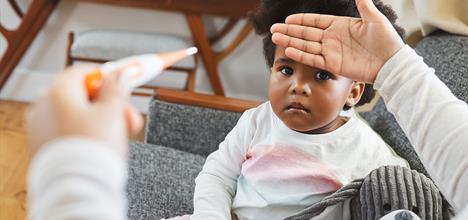
A high fever in young children can signal serious illness. A temperature above 100.4°F (38°C) in babies under three months needs urgent care. For toddlers, a fever lasting more than two days or above 104°F (40°C) also requires medical attention. Watch for fever with other symptoms like irritability or poor feeding.
Persistent Vomiting Or Diarrhea
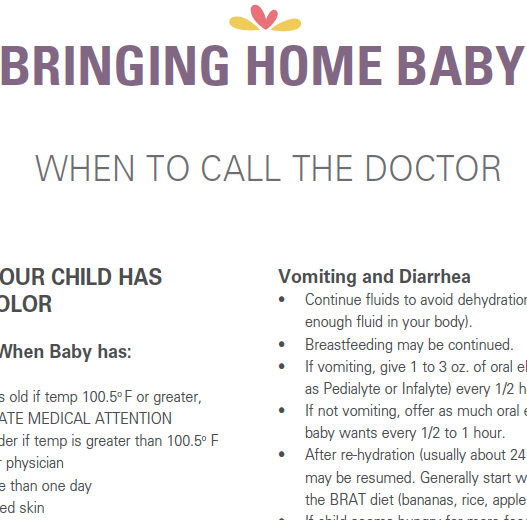
Vomiting or diarrhea that lasts more than 24 hours can cause dehydration. Seek medical help if your child cannot keep fluids down. Look for signs like dry mouth, no tears, or fewer wet diapers. Persistent vomiting or diarrhea may need treatment to prevent serious problems.
Breathing Difficulties
Breathing troubles need quick action. Signs include fast or labored breathing, wheezing, or blue lips. Any choking, gasping, or noisy breathing means call the doctor. Breathing problems can worsen fast in children and need prompt care.
Severe Or Unusual Rashes
Rashes that spread quickly, cause swelling, or show bruises need medical review. A rash with fever or pain could mean infection. Watch for rashes that blister, ooze, or appear with other symptoms. Some rashes signal serious health issues and need a doctor’s check.
Unresponsiveness Or Excessive Sleepiness
A child who is hard to wake or very drowsy needs immediate care. Unresponsiveness, confusion, or not reacting to sounds is serious. Excessive sleepiness can signal illness or injury. Quick medical attention can prevent complications in these cases.
Behavioral Changes To Watch For
Behavioral changes in children can signal that something is wrong. Parents should watch closely for signs that need medical attention. Not all changes are serious, but some require a pediatrician’s evaluation. Early action can help with quick treatment and better outcomes.
Sudden Irritability Or Crying
Children may cry more when they feel pain or discomfort. Sudden irritability can mean illness or injury. If your child is unusually fussy and cannot be comforted, it is important to check with a doctor. Persistent crying that lasts for hours needs medical advice.
Lack Of Appetite And Dehydration
Refusing to eat or drink can quickly cause problems. A child who stops eating and drinking may become dehydrated. Signs of dehydration include dry mouth, no tears when crying, and fewer wet diapers. Call a pediatrician if your child shows these symptoms.
Changes In Alertness Or Activity Levels
Watch for sudden changes in how alert your child is. Less activity or extreme tiredness can be a warning sign. If your child is unusually sleepy or hard to wake, see a doctor. These changes might indicate an infection or other health issue.
Injuries That Require Immediate Care
Injuries can happen anytime, especially with active kids. Some injuries need quick medical help to avoid serious problems. Recognizing these injuries helps parents act fast and keep children safe. Knowing when to call a pediatrician saves time and prevents complications.
Head Injuries And Concussions
Any blow to the head can be serious. Watch for dizziness, vomiting, or confusion. If a child loses consciousness, call a doctor immediately. Even small bumps can cause concussions. Seek medical care if the child acts unusually or has trouble walking.
Deep Cuts Or Bleeding
Bleeding that won’t stop needs urgent care. Deep cuts might require stitches. If blood soaks through a bandage quickly, contact a pediatrician. Watch for dirt or debris in the wound. Avoid letting children touch or pick at deep cuts to prevent infection.
Bone Fractures And Swelling
Swelling and pain after a fall can signal a broken bone. If a limb looks deformed or the child cannot move it, seek help fast. Keep the injured area still and avoid putting weight on it. Early treatment helps bones heal properly and reduces pain.
Chronic Conditions Needing Regular Pediatrician Visits
Chronic conditions in children need regular care and monitoring by a pediatrician. These conditions often require ongoing treatment and check-ups. Regular visits help manage symptoms and prevent complications. They also provide a chance to adjust treatments as children grow and change.
Parents should watch for signs that need medical attention. Staying in touch with the pediatrician keeps the child’s health stable. Understanding when to call the doctor can make a big difference in care quality.
Asthma Flare-ups
Asthma is a common condition in children. Flare-ups can cause coughing, wheezing, and trouble breathing. These episodes need quick action and medical advice. Regular visits help track lung function and adjust medications. Parents should contact the pediatrician if symptoms worsen or do not improve with usual treatment.
Allergic Reactions
Allergic reactions vary in severity from mild to life-threatening. Children with known allergies require careful monitoring. Severe reactions need immediate medical care and follow-up visits. The pediatrician helps create an allergy action plan. Regular check-ups ensure the plan stays effective and safe.
Developmental Delays Or Concerns
Developmental delays can affect speech, movement, or learning. Early detection leads to better support and therapy options. Pediatricians conduct routine screenings during visits. Parents should share concerns about milestones or behavior. Regular visits allow the doctor to track progress and recommend specialists if needed.
When To Use Emergency Services Instead
Knowing when to call emergency services for your child is very important. Some health problems need quick action. These issues can be serious and need care right away. This section explains when to choose emergency help instead of waiting for a pediatrician.
Uncontrolled Bleeding
Bleeding that does not stop is a serious sign. Use a clean cloth to press on the wound. If bleeding keeps going after 10 minutes, call emergency services. Fast help can prevent too much blood loss. Don’t wait or try to fix it alone.
Severe Difficulty Breathing
Hard or fast breathing is a red flag. Your child might be gasping for air or unable to speak. Lips or face may look blue. These signs need urgent medical care. Call emergency services immediately to get fast help.
Seizures Or Convulsions
Seizures are sudden body jerks or shaking. They can last a few seconds or minutes. If your child has a seizure for more than five minutes, call emergency services. Also, call if the child does not wake up or has trouble breathing.

Tips For Preparing For A Pediatrician Visit
Preparing well for a pediatrician visit helps make the appointment smooth and effective. It ensures the doctor understands your child’s needs quickly. Being ready saves time and reduces stress. Here are simple tips to help you get ready.
Gathering Medical History
Collect your child’s past health records before the visit. Include vaccinations, allergies, and past illnesses. Write down any surgeries or hospital stays. This information helps the doctor see the full picture. Keep it in one folder or on your phone.
Tracking Symptoms And Duration
Note all symptoms your child has. Record how long each symptom has lasted. Mention any changes in behavior or eating habits. Include fever, cough, rashes, or pain. Clear details help the doctor diagnose faster and better.
Questions To Ask The Doctor
Prepare a list of questions before the visit. Ask about treatments, side effects, or follow-up care. Request advice on home care and prevention. Write questions down so you don’t forget. This helps you get the most from the appointment.
Frequently Asked Questions
When Should I Call A Pediatrician For My Baby’s Fever?
Call a pediatrician if your baby’s fever is above 100. 4°F (38°C) and lasts more than two days. Seek help immediately if your baby is under three months old or shows signs of distress.
What Symptoms Require Urgent Pediatrician Consultation?
Urgent symptoms include difficulty breathing, persistent vomiting, severe dehydration, seizures, or unresponsiveness. If your child exhibits any of these, contact a pediatrician right away for immediate care.
How Often Should I Schedule Regular Pediatric Check-ups?
Schedule pediatric check-ups according to your child’s age and health needs. Generally, visits are recommended at birth, infancy, toddler years, and annually after age three for vaccinations and development monitoring.
When Is It Necessary To Call A Pediatrician For Rash?
Call a pediatrician if the rash spreads quickly, is accompanied by fever, or if your child appears very ill. Also, seek advice if the rash causes pain, swelling, or blisters.
Conclusion
Knowing when to call a pediatrician can ease your worries. Trust your instincts if your child seems very sick. High fever, trouble breathing, or unusual behavior need quick care. Don’t wait to get help when symptoms worsen. Early care can prevent bigger health problems later.
Keep your pediatrician’s contact handy for emergencies. Staying informed helps you act fast and keep your child safe. Your child’s health matters most, so seek advice when unsure. Taking prompt action shows you care deeply about their well-being.