You want the best for your newborn, especially when it comes to sleep. But do you know what safe sleep really means?
Understanding safe sleep can protect your baby from risks and give you peace of mind. You’ll learn simple, practical steps that can keep your little one safe while they rest. Keep reading to discover how you can create the safest sleep environment for your newborn and feel confident every night.
Safe Sleep Basics
Safe sleep basics help protect newborns during rest. Parents must create a secure setting to lower risks. Understanding key elements ensures babies sleep safely and comfortably.
Ideal Sleep Environment
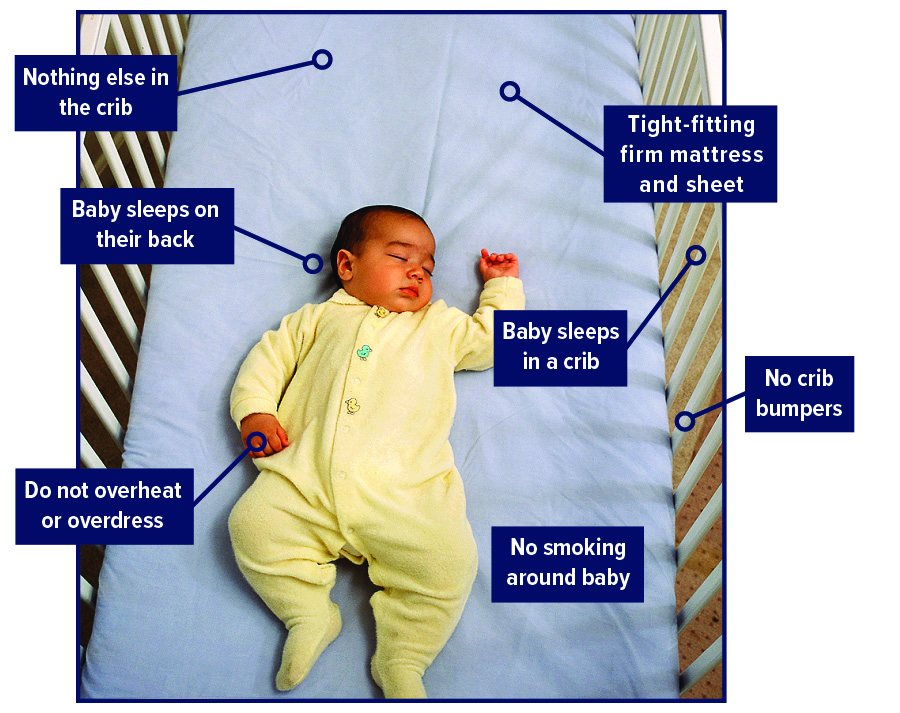
Keep the baby’s sleep area quiet and dim. Avoid toys, pillows, and loose blankets in the crib. The room should be cool, not hot, to prevent overheating. A firm mattress with a fitted sheet is essential.
Proper Sleep Position
Always place your baby on their back to sleep. This position reduces the chance of sudden infant death syndrome (SIDS). Avoid side or stomach sleeping as these increase risks. Change the baby’s position only when awake and supervised.
Choosing The Right Sleep Surface
Use a firm, flat surface designed for infant sleep. Avoid soft surfaces like couches or armchairs. Cribs, bassinets, or portable play yards work best. Make sure the sleep surface meets safety standards.
Common Sleep Hazards
Newborns need a safe and calm place to sleep. Sleep hazards can make sleep risky for babies. Parents must know about these common dangers. This helps keep babies safe and peaceful during sleep.
Avoiding Loose Bedding
Loose blankets and sheets can cover a baby’s face. This blocks air and causes breathing problems. Use a fitted sheet on the mattress. Avoid pillows, quilts, and blankets in the crib. A wearable sleep sack is a safer choice.
Risks Of Soft Toys
Soft toys and stuffed animals can cause suffocation. Babies can get trapped under them. Keep the crib clear of any toys. Soft items increase the chance of accidents. A bare crib is the safest crib.
Temperature Control
Babies can get too hot or too cold while sleeping. Overheating raises the risk of sudden infant death. Dress your baby in light clothing. Keep the room temperature comfortable, around 68-72°F (20-22°C). Avoid heavy blankets or too many layers.
Creating A Sleep Routine
Creating a sleep routine helps newborns feel safe and calm. It sets a pattern that their little bodies learn. This makes falling asleep easier for both baby and parents. A good routine supports safe sleep habits and healthy rest.
Consistent Bedtime Habits
Choose the same time for bedtime every night. Babies like predictability. Changing bedtime often can confuse them. Simple actions like changing into pajamas and dimming lights help. These habits tell the baby it is time to sleep.
Soothing Techniques
Use gentle sounds or soft music to calm your baby. A warm bath or gentle rocking can help too. Swaddling keeps them cozy and secure. These soothing actions relax babies and prepare them for safe sleep.
Recognizing Sleep Cues
Look for signs that show your baby is tired. Rubbing eyes, yawning, or fussiness are common cues. Putting baby to bed at this time makes sleep easier. Catching these signs early supports a smooth bedtime routine.
Monitoring And Safety Devices
Monitoring and safety devices help parents keep newborns safe during sleep. These tools give peace of mind and help detect any problems early. Choosing the right devices is important for your baby’s health and comfort.
Using Baby Monitors
Baby monitors let parents hear or see their baby from another room. Audio monitors pick up sounds like crying or fussing. Video monitors add a live picture for better watching. Some monitors track breathing or movement to alert parents to unusual changes. Use monitors to stay connected without disturbing your baby’s sleep.
When To Use Sleep Positioners
Sleep positioners claim to keep babies in a safe position. Experts warn against using most positioners due to suffocation risks. Only use them if a doctor specifically recommends it. Instead, place babies on their backs on a firm mattress. Avoid soft bedding or pillows around the baby.
Safety Certifications To Look For
Check for safety certifications before buying sleep devices. Certifications show products meet strict safety tests. Look for marks from trusted organizations like ASTM or JPMA. These labels mean the device is less likely to cause harm. Avoid products without clear safety approval to protect your newborn.
Parental Tips For Peaceful Nights
Safe sleep for newborns is key to healthy growth and happy families. Parents often face sleepless nights and worry about their baby’s safety. Practical tips can help create calm nights. These tips support baby’s comfort and ease parental stress. Peaceful nights become possible with good habits and care.
Managing Night Feedings
Night feedings are part of newborn care. Keep lights dim and sounds low to avoid waking baby fully. Use calm voices and gentle touch. Feeding in a quiet space helps baby stay sleepy. Burp baby gently to prevent discomfort. Prepare bottles or breastfeed supplies in advance. This saves time and reduces stress during night.
Handling Sleep Regressions
Sleep regressions can upset baby’s routine. These are normal phases when baby wakes more at night. Stay patient and keep a steady bedtime routine. Offer comfort with soft rocking or a soothing lullaby. Avoid changing many things at once. Consistency helps baby feel safe and fall back to sleep quicker.
Coping With Parental Fatigue
Parents often feel very tired in newborn phase. Take short naps when baby sleeps. Share night duties with a partner if possible. Ask for help from family or friends. Drink water and eat small healthy snacks. Try deep breathing to relax. Caring for yourself helps you care better for baby.


Frequently Asked Questions
What Is Safe Sleep For Newborns?
Safe sleep for newborns means placing babies on their backs to sleep. It reduces the risk of Sudden Infant Death Syndrome (SIDS). Use a firm mattress with no loose bedding or soft toys in the crib. Ensure the sleep environment is smoke-free.
Why Is Back Sleeping Important For Newborns?
Back sleeping keeps a newborn’s airway open and reduces SIDS risk. It is the safest position recommended by pediatricians worldwide. Avoid placing babies on their stomach or sides until they can roll over independently.
How To Create A Safe Sleep Environment?
Use a firm, flat mattress with a fitted sheet. Remove pillows, blankets, and toys from the crib. Keep the room at a comfortable temperature and avoid overheating. Use a sleep sack instead of loose blankets for warmth.
Can Co-sleeping Be Safe For Newborns?
Co-sleeping increases the risk of suffocation and SIDS. The safest option is room-sharing without bed-sharing. Place the crib or bassinet near your bed for easy access and monitoring during the night.
Conclusion
Safe sleep keeps your newborn safe and healthy. Always place your baby on their back to sleep. Use a firm mattress without soft bedding or toys. Keep the crib clear and avoid loose blankets. Room-sharing without bed-sharing helps monitor your baby easily.
These steps lower risks and give you peace of mind. Remember, safe sleep habits protect your little one every night. Stay informed and follow trusted guidelines for your baby’s safety. Simple actions make a big difference in newborn care.


