
You want the very best for your newborn, starting with a place where they can explore safely. But what exactly makes a play environment safe for your little one?
Creating a space where your baby can move, learn, and grow without hidden dangers is more important than you might think. You’ll discover simple yet powerful ways to protect your newborn while encouraging their natural curiosity. Keep reading to find out how you can build a safe play environment that gives you peace of mind and your baby the freedom to thrive.
Key Elements Of A Safe Play Area
Creating a safe play area for a newborn is very important. It helps babies explore and learn without risks. The space should protect babies from injuries and keep them comfortable. Key elements make a play area safe and inviting. These elements focus on surfaces, toys, and boundaries.
Soft And Clean Surfaces
Soft surfaces cushion babies from falls and bumps. Use mats, rugs, or padded blankets. Keep these surfaces clean to stop germs and dirt. Wash them regularly with gentle, baby-safe cleaners. A clean, soft area supports healthy play and reduces risks.
Age-appropriate Toys
Select toys made for newborns. They should be free of small parts that can choke. Choose toys with smooth edges and safe materials. Toys that stimulate senses help babies learn and grow. Check toys often for damage and replace if needed.
Secure Boundaries
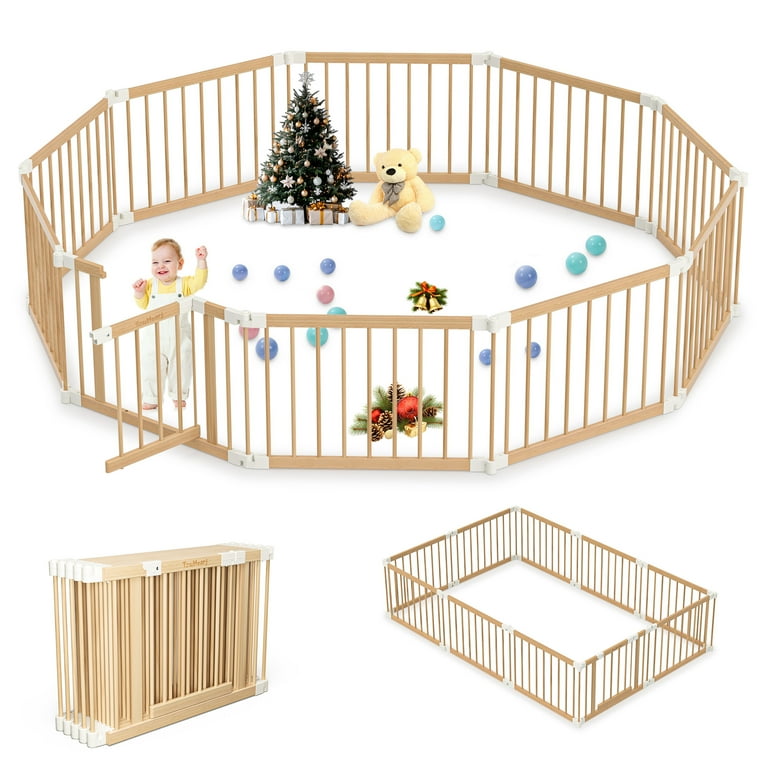
Boundaries keep babies inside a safe zone. Use playpens or baby gates to block unsafe areas. Make sure the boundaries are sturdy and tall enough. Avoid gaps where babies can get stuck. Secure boundaries give peace of mind and protect babies from hazards.

Avoiding Common Hazards
Creating a safe play space for a newborn means removing many hazards. Careful checks help keep babies safe and happy. Parents and caregivers must know the common dangers. Awareness stops accidents before they happen.
Choking Risks
Small toys and objects can block a baby’s throat. Always keep items like coins, buttons, and beads away. Check toys for parts that can break off easily. Babies explore by putting things in their mouth. Clean floors and play areas often to catch tiny items.
Sharp Objects
Sharp edges and points can hurt a baby quickly. Remove knives, scissors, and other tools from reach. Cover corners of furniture with soft guards. Inspect toys for sharp parts or loose pieces. Keep pens and pencils out of the play zone.
Toxic Materials
Many household items contain chemicals harmful to babies. Store cleaning products and medicines high and locked up. Avoid toys with lead paint or harmful dyes. Check labels for non-toxic certifications. Choose natural materials for baby’s play items when possible.
Safe Sleep And Play Zones
Creating safe sleep and play zones is key for a newborn’s well-being. These areas protect babies from harm while allowing them to rest and explore. Parents can feel calm knowing their child is secure. Setting clear boundaries helps babies learn about safe spaces early.
Crib Safety
The crib must meet all safety standards. Use a firm mattress that fits snugly inside. Avoid pillows, toys, and loose blankets. These items increase the risk of suffocation. Always place the baby on their back to sleep. Check the crib for loose parts or sharp edges.
Separate Play Spaces
Designate a special area just for play. This space should be clean and free of small objects. Use soft mats or rugs to cushion falls. Keep toys age-appropriate and safe to chew. Separate zones help the baby understand where to play and where to rest.
Supervised Playtime
Never leave a newborn alone during play. Close supervision prevents accidents and choking hazards. Engage with your baby to encourage learning and bonding. Watch for signs of tiredness or discomfort. Supervised play builds trust and supports healthy development.
Maintaining Hygiene In Play Areas
Maintaining hygiene in play areas is key for a safe space for newborns. Newborns have delicate immune systems. Germs and dirt can cause infections or illnesses. Clean and sanitized play spaces protect their health. Parents and caregivers must keep play areas spotless and safe.
Regular Cleaning
Clean play areas every day. Use mild soap and water for floors and surfaces. Wipe down soft mats and blankets. Remove crumbs and dirt quickly. Regular cleaning lowers the risk of harmful germs.
Sanitizing Toys
Newborns often put toys in their mouths. Toys can carry bacteria and viruses. Wash plastic and rubber toys with warm, soapy water. Use a baby-safe sanitizer if needed. Soft toys should be washed in a washing machine regularly.
Handwashing Practices
Clean hands stop the spread of germs. Wash hands before touching the baby or their toys. Use soap and warm water for at least 20 seconds. Dry hands with a clean towel. Teach everyone to follow these simple steps.
Choosing The Right Play Equipment
Choosing the right play equipment is important for a safe play environment for newborns. Babies explore the world through touch and taste. The materials and design of toys affect their safety and comfort. Parents must pick gear that supports healthy development and protects from harm. Thoughtful choices help babies enjoy playtime securely.
Non-toxic Materials
Newborns often put toys in their mouths. Non-toxic materials keep them safe from harmful chemicals. Look for toys made with BPA-free plastic or natural wood. Avoid paints and finishes with lead or other toxins. Soft fabrics should be free from dyes that can irritate skin. Safe materials make playtime worry-free for parents and babies.
Sturdy And Stable Gear
Choose equipment that stays steady during play. Unstable toys can tip over and cause injuries. Check for solid construction and secure parts. Avoid small pieces that can break off and pose choking risks. Durable gear lasts longer and provides a safe space for babies to explore. Stability ensures confidence in every move.
Easy-to-clean Options
Babies’ play items need frequent cleaning. Choose toys and gear that are easy to wipe or wash. Smooth surfaces without cracks prevent dirt build-up. Machine-washable fabrics save time and effort. Clean equipment reduces germs and keeps babies healthy. Simple cleaning helps maintain a hygienic play area.
Parental Supervision Tips
Parental supervision is the key to a safe play environment for newborns. Babies need constant attention to stay safe. Parents should watch carefully and be ready to act quickly. This section shares important tips to help parents keep their little ones secure during playtime.
Active Monitoring
Always keep your eyes on your newborn while they play. Stay close, even if the baby is in a safe spot. Avoid distractions like phones or TV. Your full attention helps prevent accidents and keeps your baby calm.
Recognizing Warning Signs
Learn to spot signs of distress in your baby. Watch for unusual crying, changes in breathing, or skin color. These signs may mean your baby needs help. Acting fast can stop problems before they get worse.
Emergency Preparedness
Be ready for emergencies by knowing basic first aid for babies. Keep emergency numbers handy. Have a plan for quick response if needed. Being prepared gives you confidence and helps protect your newborn.

Frequently Asked Questions
What Defines A Safe Play Environment For Newborns?
A safe play environment for newborns is free of hazards, clean, and comfortable. It includes soft surfaces, age-appropriate toys, and constant supervision to prevent accidents and promote healthy development.
Which Materials Are Best For Newborn Play Areas?
Non-toxic, hypoallergenic, and easy-to-clean materials are best. Soft fabrics, BPA-free plastics, and natural wood ensure safety and comfort for newborns during playtime.
How Can Parents Baby-proof A Play Space Effectively?
Remove sharp objects, cover electrical outlets, secure furniture, and keep choking hazards away. Regularly inspect the area to maintain a safe, secure environment for newborns.
Why Is Supervision Important In Newborn Play Environments?
Supervision prevents accidents, ensures safe interaction with toys, and helps respond quickly to any distress. It is crucial for newborns’ safety and well-being during play.
Conclusion
Creating a safe play space helps babies grow and explore without harm. Soft surfaces and clear areas prevent accidents. Keep small or sharp objects out of reach. Always watch your newborn during playtime. Safe play builds trust and confidence in your baby.
It supports healthy development and happy moments. Focus on comfort and security for peace of mind. A safe environment lets your baby discover the world safely. This care today shapes a brighter tomorrow.


