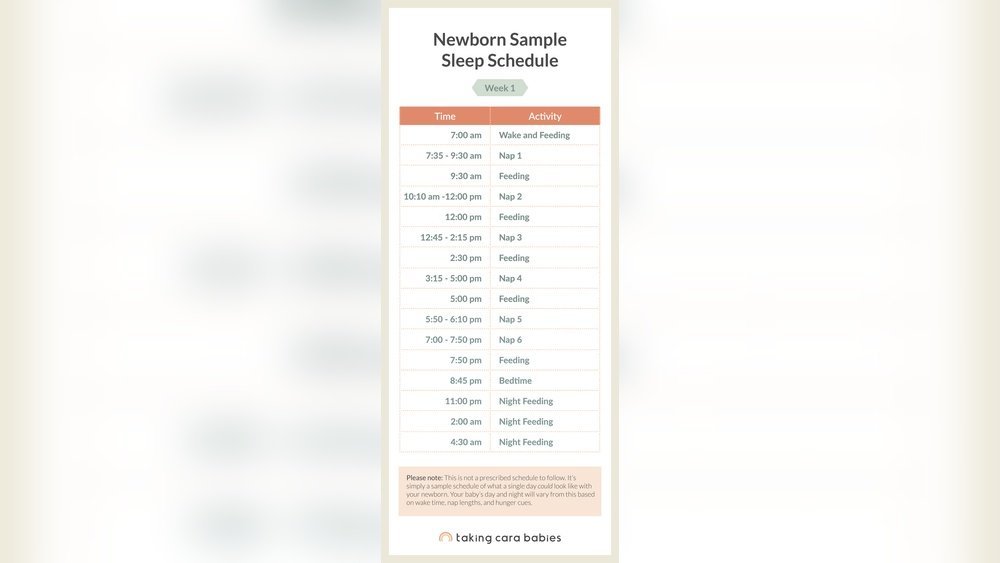
Are you struggling to understand how your newborn sleeps and when they should be resting? Knowing what a newborn sleep schedule looks like can make a huge difference for both you and your baby.
It’s not just about getting your little one to sleep—it’s about creating a routine that supports their growth and helps you find moments of calm too. You’ll discover simple, clear answers to what a newborn sleep schedule really means and how it can change your days for the better.
Keep reading to unlock the secrets to smoother nights and happier days with your newborn.
Newborn Sleep Basics
Understanding newborn sleep basics helps parents support their baby’s rest. Newborns sleep a lot but not for long stretches. Their sleep patterns differ from older children and adults. Knowing these basics makes it easier to care for a newborn.
Typical Sleep Patterns
Newborns sleep about 14 to 17 hours each day. They do not sleep through the night yet. Sleep happens in short blocks of 2 to 4 hours. These blocks include both day and night. Patterns vary from baby to baby but short sleep is normal.
Sleep Cycles Explained
Newborns have shorter sleep cycles than adults. Each cycle lasts about 50 to 60 minutes. Cycles include active sleep and quiet sleep phases. Active sleep is similar to REM sleep in adults. Babies often move or make noises during this phase. Quiet sleep is deeper and more restful. These cycles repeat throughout the sleep time.
Signs Of Sleepiness
Babies show clear signs when they feel sleepy. Rubbing eyes or yawning are common signs. Fussiness or looking away can also mean tiredness. Some babies become quiet and still before sleep. Watching for these signs helps catch sleep time early. Early sleep helps babies fall asleep easier and sleep better.
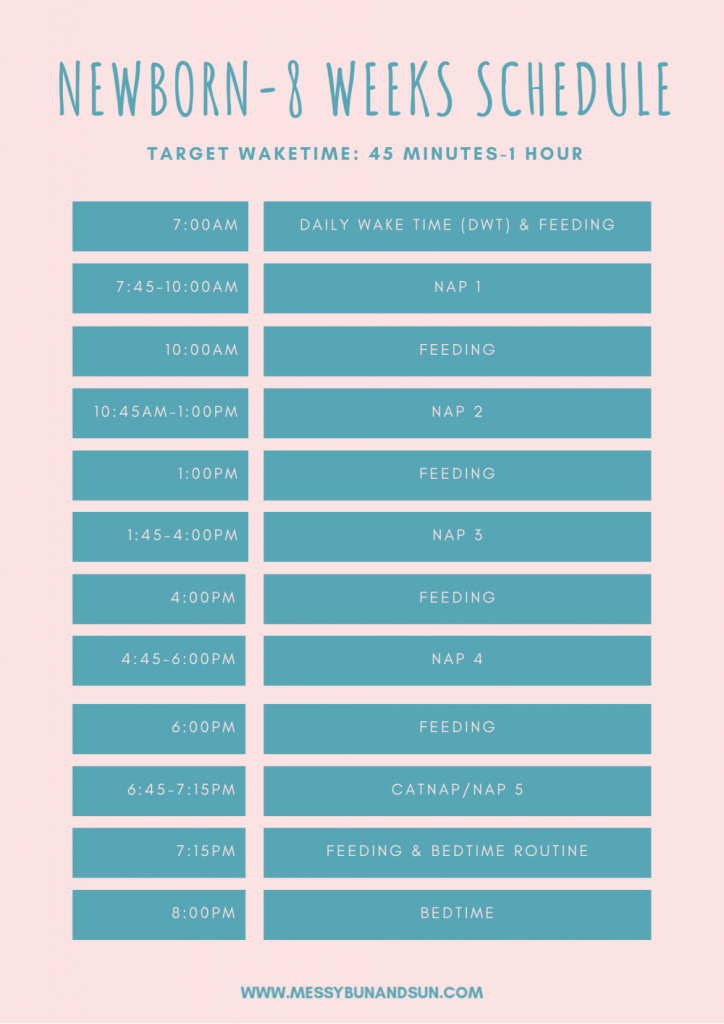
Setting A Sleep Schedule
Setting a sleep schedule for your newborn helps their body get used to a pattern. This makes sleep times more predictable. A good schedule supports healthy growth and calm days.
It takes patience to find the right rhythm. Watching your baby’s cues helps you adjust the timing. Consistency is key to making the schedule work.
Ideal Sleep Duration
Newborns need a lot of sleep, usually 14 to 17 hours daily. Sleep comes in short stretches, often 2 to 4 hours long. This varies for each baby. Watch how your baby sleeps and rest times.
Daytime Vs Nighttime Sleep
Newborns sleep both day and night, but night sleep is shorter. Daytime naps help them recharge. Try to keep night sleep quiet and dark. This helps your baby learn night and day differences.
Creating A Routine
Start with simple steps like feeding, bathing, and cuddling before sleep. Repeat these daily to signal bedtime. A calm environment helps your baby relax. Soft sounds and gentle touch work well.
Common Sleep Challenges
Newborn sleep schedules often come with many challenges. Parents face difficulties as their babies learn to sleep. Understanding these common problems helps you manage them better.
Sleep issues are normal for newborns. They grow and change quickly, which affects sleep patterns. Recognizing typical challenges makes caring for your baby easier.
Frequent Night Wakings
Newborns wake often during the night. Their small tummies need feeding every few hours. This causes many interruptions in sleep.
Night wakings help babies stay safe and fed. Parents should expect this as part of newborn care. Patience is key while your baby grows.
Short Naps
Babies often take short naps throughout the day. These naps may last only 20 to 40 minutes. Short naps can make your baby seem tired quickly.
Short naps are normal at this stage. Newborns need many naps to build energy. Creating a calm sleep space may help lengthen naps.
Sleep Regression Phases
Sleep regressions are times when babies sleep poorly. These phases happen during growth or development changes. Sleep regressions can last a few days or weeks.
During regressions, sleep patterns become irregular. Babies may wake more or resist naps. Staying consistent with routines supports better sleep over time.

Tips For Better Sleep
Helping a newborn sleep well is important for their health and your rest. Small changes can make a big difference. Simple tips can create a calm and safe sleep time. These tips help your baby feel secure and comfortable during sleep.
Safe Sleep Environment
Keep the baby’s sleep area quiet and dim. Use a firm mattress without pillows or toys. Dress the baby in light clothes to avoid overheating. Place the baby on their back to sleep. This reduces the risk of sudden infant death.
Soothing Techniques
Gentle rocking can calm a fussy baby. Soft singing or white noise helps create a peaceful mood. Swaddling can make newborns feel secure. A warm bath before sleep can relax the baby. Keep movements slow and voices soft to avoid waking.
Feeding And Sleep
Feed your baby right before bedtime. A full tummy helps them sleep longer. Breastfeeding or bottle feeding can soothe the baby. Avoid feeding during the night unless the baby wakes. Consistent feeding times support a steady sleep routine.
Tracking Sleep Patterns
Tracking your newborn’s sleep patterns helps you understand their needs better. Sleep changes often in the first few months. Keeping a close eye on sleep can guide you on when to adjust routines.
Good tracking shows how long your baby sleeps and when they wake up. It helps spot patterns and find what works best. This information supports your baby’s growth and well-being.
Using Sleep Logs
Sleep logs are simple tools to record your baby’s sleep times. Note when your baby falls asleep and wakes up. Track naps and nighttime sleep separately. Use a notebook or a phone app for easy access.
Regular entries reveal sleep habits and changes. These logs help you see if your baby sleeps enough. They also show if your baby wakes often or sleeps deeply. This data helps in planning better sleep schedules.
Monitoring Growth And Sleep
Sleep affects how your baby grows and develops. Watch for links between sleep and feeding times. Healthy sleep supports brain development and physical growth. Notice if poor sleep matches growth spurts or illness.
Good sleep boosts mood and energy. Monitor your baby’s weight and height alongside sleep patterns. This helps check if your baby is healthy and thriving. Doctors often ask about sleep when checking growth.
When To Seek Help
Some sleep issues need expert advice. Seek help if your baby has trouble sleeping for many days. Watch for signs like constant crying or very short naps. Sleep problems can cause stress for baby and parents.
Consult a pediatrician if sleep issues affect growth or mood. Early help can solve many sleep problems. Professionals can offer guidance on safe sleep and routines. Don’t wait if you feel worried about your baby’s sleep.

Frequently Asked Questions
What Is A Newborn Sleep Schedule?
A newborn sleep schedule outlines typical sleep and wake times for babies under three months. It helps parents understand sleep patterns and plan feeding and care routines effectively.
How Many Hours Do Newborns Sleep Daily?
Newborns usually sleep 14 to 17 hours per day. Their sleep is split into multiple naps, varying in length throughout a 24-hour period.
When Do Newborns Start Sleeping Through The Night?
Most newborns begin longer sleep stretches around 6 to 8 weeks. However, sleeping through the night varies by baby and feeding needs.
How Can I Create A Newborn Sleep Schedule?
Observe your baby’s natural sleep patterns and feed on demand. Establish consistent nap times and a calming bedtime routine to encourage better sleep.
Conclusion
A newborn sleep schedule helps babies rest well and grow strong. Babies need frequent naps and night sleep to stay healthy. Parents can watch for sleepy signs to know when to put babies down. Sleep patterns change fast in the first months.
Patience and gentle routines make the process easier. Understanding newborn sleep supports both baby and parents’ well-being. Keep trying, and soon your baby will sleep better. Sleep is key to happy, healthy early days.


