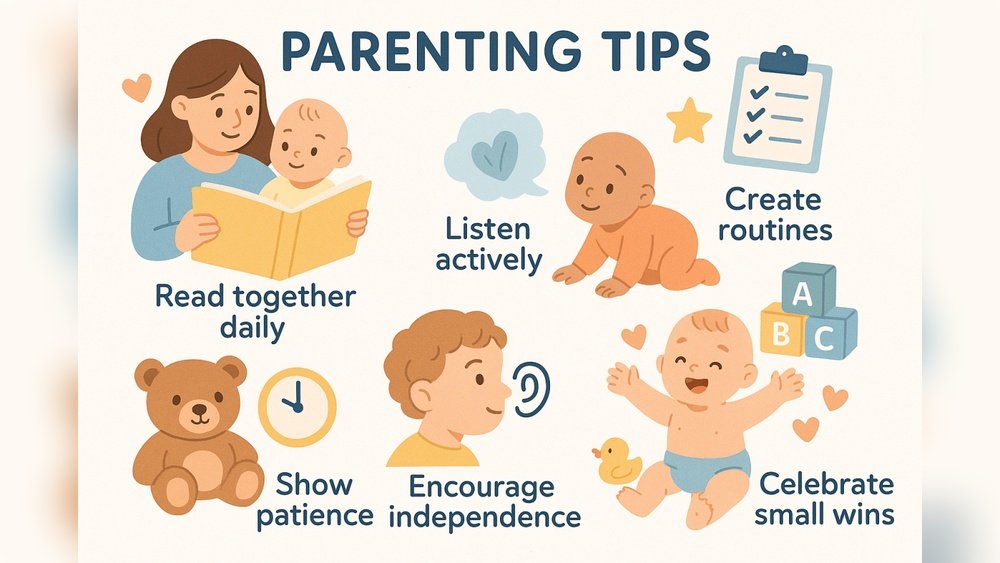
Welcoming a newborn into your life is a beautiful experience, but it can also feel overwhelming. You want to give your baby the best start, but you might wonder what daily activities truly matter.
What if there were simple, proven ways to help your little one grow healthy and happy every single day? You’ll discover easy and effective daily practices that support your newborn’s development. Keep reading to learn how small actions can make a big difference for both you and your baby.
Establish A Consistent Routine
Establishing a consistent routine helps newborns feel safe and secure. It supports their growth and development. A steady daily rhythm reduces fussiness and makes caregiving easier.
Set Regular Feeding Times
Newborns thrive with regular feeding times. Feeding every two to three hours keeps their energy steady. Watch for hunger cues but aim for consistent intervals. This helps build a predictable schedule for both baby and parents.
Create A Sleep Schedule
Sleep is vital for newborn growth. Set consistent nap and bedtime routines. A calm environment signals sleep time. Try to put your baby down drowsy but awake. This encourages healthy sleep habits early on.
Incorporate Play And Interaction
Playtime boosts brain and social skills. Include short, gentle activities daily. Talk, sing, and make eye contact often. These moments build bonds and stimulate learning. Keep sessions brief to match your baby’s energy.

Focus On Safe Sleep Habits
Safe sleep habits protect your newborn from risks during rest. Sleep is vital for a baby’s growth and brain development. Creating a secure sleep routine helps parents feel confident and calm. Focus on the basics to keep your baby safe every night.
Choose The Right Sleep Environment
Pick a firm mattress with a fitted sheet for the crib. Avoid soft bedding, pillows, or stuffed animals inside the crib. Keep the sleep area clear of loose blankets or toys. Room temperature should be comfortable, not too hot or cold. Use a sleep sack to keep your baby warm without blankets.
Positioning For Safe Sleep
Always place your baby on their back to sleep. This position lowers the risk of sudden infant death syndrome. Avoid letting your baby sleep on their stomach or side. Use a flat and firm surface, not inclined seats or swings. Change the baby’s head position each night to prevent flat spots.
Recognize Sleep Cues
Watch for signs like yawning, eye rubbing, or fussiness. These signals mean your baby is tired and ready for sleep. Respond quickly to avoid overtiredness, which makes falling asleep harder. Create a calm environment by dimming lights and reducing noise. Consistent bedtime routines help babies recognize when it is time to sleep.
Prioritize Gentle Hygiene
Gentle hygiene is essential for newborns. Their skin is soft and delicate. Harsh cleaning can cause irritation or dryness. Caring for your baby’s cleanliness helps prevent infections and keeps them comfortable. A gentle approach supports healthy skin and overall well-being.
Daily Diaper Care
Change diapers often to keep the baby dry. Use soft wipes or warm water with a clean cloth. Pat the skin gently instead of rubbing. Apply a thin layer of diaper cream to protect from rashes. Let the skin breathe by giving diaper-free time daily.
Bathing Guidelines
Use lukewarm water for bathing your newborn. Keep baths short, around 5 to 10 minutes. Use mild, fragrance-free baby soap sparingly. Support your baby carefully to avoid slipping. Dry the skin gently with a soft towel, paying attention to folds.
Skin Care Tips
Use gentle, hypoallergenic products made for babies. Avoid powders or harsh chemicals on the skin. Moisturize with a simple baby lotion after baths. Dress your newborn in soft, breathable fabrics. Watch for redness or irritation and adjust care as needed.
Encourage Sensory Development
Sensory development is important for newborns. It helps their brain grow strong. Daily activities can support this growth. Simple actions can make a big difference. Focus on senses like sight, sound, and touch. This helps babies learn about their world.
Engage With Visual Stimuli
Use colorful toys or pictures for your baby. Bright colors catch their attention. Move objects slowly in front of their eyes. This helps improve focus and tracking skills. Changing shapes and patterns also keep them interested. Face-to-face time with you is the best visual stimulus.
Incorporate Sounds And Music
Talk softly or sing to your baby. Gentle sounds calm and engage their hearing. Play different types of music for variety. Rhythms and melodies help develop listening skills. Use rattles or soft bells to add interest. Sounds teach babies about cause and effect.
Promote Tactile Experiences
Let your baby touch different textures safely. Soft blankets, smooth toys, or rough fabrics work well. Gentle massages also help them feel secure. Tactile play encourages body awareness and fine motor skills. Always watch closely to keep them safe. Touch is one of the first ways babies learn.
Support Physical Growth
Supporting your newborn’s physical growth is important every day. Simple activities help build strong muscles and bones. These moments also improve coordination and balance. Regular practice encourages healthy development and prepares babies for new skills.
Tummy Time Benefits
Tummy time helps babies strengthen their neck and shoulder muscles. It also prevents flat spots on the head. This activity improves motor skills needed for crawling and sitting. Start with short sessions and increase time as the baby grows.
Safe Movement Practices
Always create a safe space for your baby to move freely. Remove sharp or small objects from the area. Use soft mats or blankets for comfort. Support your baby’s body gently during movement to avoid strain or injury.
Monitor Milestones
Track your baby’s physical milestones like rolling over or sitting up. Each baby grows at their own pace, so watch for steady progress. Note changes and share concerns with your pediatrician. Early action helps address any growth delays.

Maintain Parental Wellness
Taking care of a newborn is joyful but also very tiring. Parents need to care for themselves to stay healthy and strong. Maintaining parental wellness helps you enjoy your baby’s early days. It also helps you handle challenges better. Here are some ways to keep your wellness in check while caring for your newborn.
Manage Stress And Fatigue
Stress and tiredness can build up quickly with a newborn. Try deep breathing or short breaks to relax your mind. Sleep when your baby sleeps, even if it is just a little. Avoid pushing yourself too hard. Small moments of rest can refresh your body and thoughts.
Seek Support When Needed
Ask for help from family or friends without feeling guilty. Sharing tasks like feeding or changing diapers eases your load. Talking to others can lighten your feelings. Support from others keeps loneliness away and brings comfort.
Balance Care With Rest
Taking care of your baby is important, but so is rest. Plan quiet time for yourself every day. Simple activities like reading or listening to music help you recharge. Balance your time between caring for your baby and caring for yourself.

Frequently Asked Questions
What Are Essential Daily Activities For Newborns?
Daily activities for newborns include feeding, sleeping, diaper changes, and gentle play. These support growth, comfort, and bonding. Regular routines help newborns feel secure and thrive.
How Often Should I Engage In Tummy Time?
Tummy time should start with 2-3 minutes, 2-3 times daily. Gradually increase as your baby grows. It strengthens neck and shoulder muscles, aiding motor development.
When Is The Best Time For Newborn Play?
Engage in play during alert and calm periods. Avoid play right after feeding or before sleep. Short, gentle interactions promote sensory and cognitive growth.
How Can I Create A Safe Daily Routine For Newborns?
A safe routine includes supervised activities, clean environments, and consistent sleep schedules. Avoid overstimulation and always ensure your baby’s comfort and well-being.
Conclusion
Daily newborn activities help babies grow strong and healthy. Keep routines simple and gentle. Talk, sing, and play softly every day. Watch your baby’s cues and respond with care. Small moments build trust and learning. Rest and feeding are just as important.
Enjoy these early days with patience and love. Your consistent care shapes a happy baby. Keep activities safe, calm, and joyful. This approach supports your baby’s best start in life.


