Have you ever wondered how a simple touch can make a huge difference for your newborn? Skin-to-skin contact is more than just a sweet moment—it’s a powerful way to help your baby feel safe, calm, and loved.
When you hold your baby close against your bare skin, amazing things happen for both of you. From boosting your baby’s health to strengthening your bond, the benefits are surprising and deeply important. Keep reading to discover why this natural practice could be one of the best gifts you give your newborn—and how it can change your early days together for the better.
Immediate Bonding
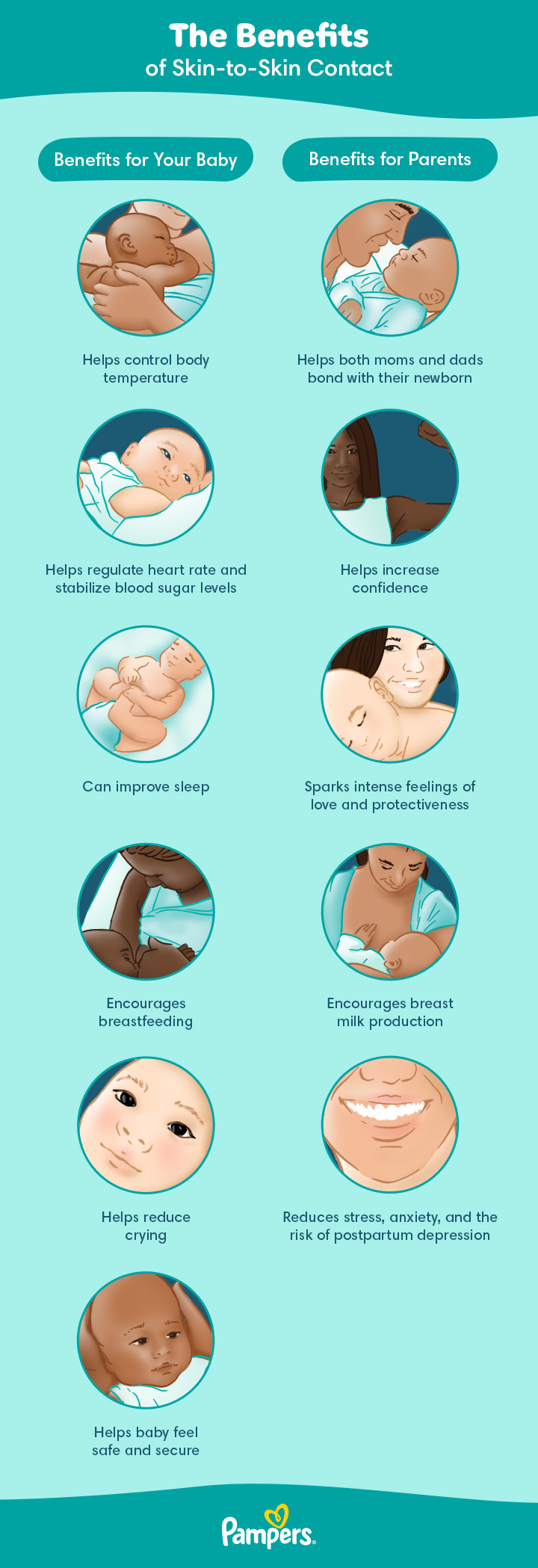
Skin-to-skin contact right after birth is powerful for both baby and parent. It helps create a strong bond in the first moments of life. This close contact brings warmth, comfort, and security to the newborn. It also starts a special connection that lasts a lifetime. Immediate bonding through skin-to-skin contact is a simple act with deep effects.
Enhancing Emotional Connection
Skin-to-skin contact helps parents and babies feel close. It allows parents to see and touch their newborn gently. This closeness helps parents understand their baby’s needs better. Babies feel calm and safe in their parent’s arms. This emotional connection supports healthy brain development in babies. It also builds trust between parent and child from the start.
Reducing Parental Stress
Holding a newborn skin-to-skin can lower stress for parents. It helps release hormones that calm the mind and body. Parents often feel more confident and relaxed after skin-to-skin time. This calmness helps them care better for their baby. Lower stress also improves sleep and mood in new parents. Skin-to-skin contact creates a peaceful start for the whole family.
Regulating Newborn’s Body
Skin-to-skin contact helps regulate a newborn’s body in many ways. This close touch between a parent and baby creates a calm and safe environment. It supports vital body functions that are crucial during the first days of life. The baby feels warmth and comfort, which helps the body stay balanced and strong.
Stabilizing Heart Rate
Skin-to-skin contact helps keep the baby’s heart rate steady. The warmth and gentle touch calm the baby’s nervous system. This leads to fewer spikes and drops in heart rate. A steady heart rate means the baby’s body is working well and feels secure.
Maintaining Body Temperature
The parent’s body acts like a natural heater for the baby. Skin-to-skin contact helps the baby keep a steady body temperature. This is very important because newborns cannot regulate their temperature well. The baby stays warm without needing extra blankets or heaters.
Supporting Breathing Patterns
Close contact helps the baby breathe more easily and regularly. The baby’s breathing rate becomes calm and stable. This reduces stress and helps the lungs work better. Smooth breathing means the baby gets enough oxygen for healthy growth.
Boosting Breastfeeding Success
Skin-to-skin contact between a mother and her newborn plays a key role in boosting breastfeeding success. This close connection helps babies start breastfeeding sooner and encourages mothers’ bodies to produce more milk. These benefits support a healthy start for both mother and child.
Encouraging Early Latching
Placing a newborn on the mother’s chest right after birth helps the baby find the breast quickly. This early latching is important for establishing breastfeeding. The baby senses the warmth and smell of the mother, which triggers natural feeding instincts. Early latching can make feeding easier and reduce fussiness during breastfeeding.
Increasing Milk Production
Skin-to-skin contact stimulates hormones that help produce milk. The close touch signals the body to release oxytocin, which causes milk to flow. More frequent skin contact encourages regular milk supply. This natural process supports the baby’s nutrition and keeps breastfeeding on track.
Supporting Brain Development
Skin-to-skin contact helps newborns’ brains grow strong. Holding a baby close supports their brain cells and connections. This simple act has a deep impact on brain health and growth.
Babies feel safe and calm. This calmness helps their brain develop better. The touch and warmth encourage their brain to work well and build important skills.
Promoting Neural Growth
Skin-to-skin contact boosts the growth of brain cells. The baby’s brain forms new connections faster. This helps the brain become more active and healthy.
The gentle touch triggers the release of hormones. These hormones support brain cell growth and repair. Babies who get this contact often show stronger brain development.
Enhancing Cognitive Functions
Close contact improves attention and memory in newborns. Babies become better at learning new things. Their brain processes information more easily.
Skin-to-skin contact also helps regulate emotions. Babies feel more secure and less stressed. This calm state supports better thinking and problem-solving skills.
Strengthening Immune System
Skin-to-skin contact plays a vital role in strengthening a newborn’s immune system. Holding the baby close to the mother helps protect the baby from harmful germs. This closeness supports the baby’s natural defense system. It also creates a safer start for the baby’s health.
Reducing Infection Risks
Skin-to-skin contact lowers the chance of infections in newborns. The mother’s skin carries good bacteria that help fight bad germs. This natural transfer of bacteria builds the baby’s immunity. It also reduces the risk of illnesses like respiratory infections and sepsis. Babies who have more skin contact with their mothers get sick less often.
Improving Overall Health
Holding a newborn skin-to-skin helps improve their overall health. The baby’s body temperature stays stable and heart rate improves. These effects support the immune system to work better. Babies also show stronger weight gain and better sleep patterns. All these factors help the baby grow healthy and strong.
Reducing Newborn Stress
Newborns face many challenges adjusting to life outside the womb. Skin-to-skin contact helps reduce stress in these early moments. Holding your baby close calms their body and mind quickly. This contact creates a warm, safe space for your little one. It lowers stress hormones and soothes discomfort, making the transition smoother.
Lowering Cortisol Levels
Cortisol is the hormone linked to stress. High levels can make newborns restless and uneasy. Skin-to-skin contact lowers cortisol in babies. This natural touch helps their body relax. Lower cortisol means better sleep and less fussiness. It supports healthy brain and body development too.
Calming Crying Episodes
Newborns cry to express needs or discomfort. Skin-to-skin contact often reduces crying quickly. The warmth and heartbeat of a parent soothe babies deeply. This closeness signals safety and comfort to the baby. As a result, crying episodes become shorter and less frequent. Parents notice calmer, happier babies during this bonding time.
Long-term Emotional Benefits
Skin-to-skin contact offers more than comfort for newborns. It builds strong emotional foundations that last a lifetime. This close contact helps babies feel safe and loved, shaping their feelings and actions as they grow. The emotional benefits go beyond the first days and weeks of life.
Fostering Secure Attachment
Skin-to-skin contact helps babies form secure attachments. This means babies trust their caregivers and feel safe exploring the world. These early bonds teach babies they are cared for and important. Secure attachment leads to better emotional health and confidence later in life.
Improving Social Skills
Babies who experience skin-to-skin contact tend to develop strong social skills. They learn to read faces and respond to emotions more easily. This helps them make friends and communicate well. Early skin contact supports positive relationships as children grow.

:max_bytes(150000):strip_icc()/GettyImages-1583963575-335d780dd5f34aa2bb5d7d5709c1dc70.jpg)
Frequently Asked Questions
What Is Skin-to-skin Contact With Newborns?
Skin-to-skin contact involves placing a newborn directly on the parent’s bare chest. This promotes bonding, regulates the baby’s temperature, and stabilizes heart rate. It also helps reduce stress for both baby and parent, supporting early breastfeeding and emotional connection.
How Does Skin-to-skin Contact Benefit Newborns’ Health?
Skin-to-skin contact boosts newborns’ immune systems and helps regulate their body temperature. It encourages better sleep and reduces crying. This contact also supports brain development and improves oxygen levels, leading to a healthier start in life.
Can Skin-to-skin Contact Improve Breastfeeding Success?
Yes, skin-to-skin contact helps newborns latch more effectively and stimulates milk production. Early contact encourages natural breastfeeding instincts, making feeding smoother and more comfortable for both mother and baby. It promotes longer breastfeeding duration and better infant nutrition.
When Should Skin-to-skin Contact Begin After Birth?
Skin-to-skin contact should begin immediately after birth, ideally within the first hour. Early contact maximizes bonding and health benefits. It is recommended for all stable newborns and can continue during the hospital stay and at home.
Conclusion
Skin-to-skin contact helps babies feel safe and warm. It strengthens the bond between parents and newborns. Babies who get skin-to-skin time often sleep better and cry less. This contact also helps with breastfeeding and keeps the baby’s temperature steady. Parents feel more confident and calm too.
Simple moments of closeness make a big difference for both baby and parent. Try to include skin-to-skin contact as soon as possible. It supports your baby’s health and your connection naturally. Small touches, big benefits.


