Are you wondering how your newborn is growing and developing every day? Understanding newborn motor skill milestones can give you clear signs of your baby’s progress.
These milestones show you how your little one is learning to move, explore, and interact with the world around them. Knowing what to expect helps you support your baby’s growth and spot any early concerns. Keep reading to discover the key motor skills your newborn will develop and how you can encourage each exciting step along the way.
Early Reflexes
Newborn babies show important motor skill milestones through early reflexes. These reflexes are automatic responses to certain stimuli. They help babies survive and learn about their environment. Early reflexes also give parents clues about healthy brain and nerve development.
Each reflex appears in the first weeks after birth. They fade as the baby grows and gains voluntary control. Watching these reflexes helps track a baby’s progress.
Rooting And Sucking
The rooting reflex helps babies find food. When a baby’s cheek is touched, the head turns toward the touch. The baby opens their mouth and starts to suck. This reflex makes feeding easier and is strong at birth.
Rooting usually fades by 4 months old. Sucking continues longer and becomes a learned skill.
Moro Reflex
The Moro reflex is also called the startle reflex. If a baby feels like they are falling, their arms and legs spread wide. Then, the arms pull back in. This reflex helps protect the baby from harm.
The Moro reflex disappears by about 5 to 6 months old. Its presence shows a healthy nervous system.
Grasp Reflex
The grasp reflex makes babies hold onto objects. When you place a finger in a baby’s palm, they close their fingers tightly. This reflex shows strong hand muscles and nerve function.
The grasp reflex fades by 5 to 6 months. Later, babies learn to hold and grab things on purpose.
Head And Neck Control
Head and neck control is one of the first important skills newborns develop. It helps babies explore their world safely and build strength. This control is the base for many future movements like rolling and sitting. Parents often notice these milestones in the first few months. Watching a baby slowly gain control of their head can be exciting and rewarding.
Lifting The Head
At first, babies can barely lift their heads. They start by trying to raise their head while lying on their tummy. This action strengthens neck muscles. Lifting the head helps babies see more around them. It also prepares them for tummy time, which is important for motor skills. Most babies begin to lift their heads a little by the end of the first month.
Turning Side To Side
Turning the head from side to side is a key skill that follows lifting. This movement helps babies look around and notice sounds. It also helps prevent flat spots on the head. Babies start turning their heads more smoothly by two months old. This skill is a sign of growing muscle control and awareness of the environment.
Arm And Hand Movements
Arm and hand movements are important signs of a newborn’s development. These movements show how babies start to control their bodies. Parents often watch these skills closely. They reveal how the brain and muscles work together.
At first, babies make random arm and hand motions. Over time, these motions become more purposeful. This progress helps babies explore their world. It also supports their future abilities like feeding and playing.
Reaching And Grasping
Reaching is a key milestone in newborns. Babies begin by stretching their arms toward objects. This shows their growing interest and focus. Grasping follows reaching and means holding items firmly. Early grasps are reflexive, like the palmar grasp. Later, babies learn to grab objects on purpose. These skills improve hand strength and coordination.
Hand-to-mouth Coordination
Hand-to-mouth movements are natural for newborns. Babies bring their hands to their mouths to explore. This action helps them learn about touch and taste. It also calms and soothes them. Over weeks, babies gain more control in this skill. This coordination is important for self-feeding and speech development later.
Leg And Foot Actions
Newborn babies show early signs of movement with their legs and feet. These actions are important steps in their motor skill development. Observing these movements helps parents understand their baby’s growth.
Leg and foot actions include simple movements like kicking and reflexive steps. These natural motions prepare babies for future walking and coordination.
Kicking Patterns
Babies often kick their legs in a rhythmic way. This movement is called kicking patterns. It helps strengthen muscles in their legs and hips.
Kicking also improves blood flow and builds motor control. Parents might notice their baby kicking more when excited or active.
Stepping Reflex
The stepping reflex appears when a baby’s feet touch a flat surface. The baby will make stepping motions as if trying to walk.
This reflex is automatic and usually fades after a few months. It shows early brain and muscle coordination for walking later.
Sitting And Balance
Sitting and balance are important skills for newborns as they grow. These skills help babies explore the world around them. Sitting also builds strength in their back and neck. It supports their ability to play and interact with others. Understanding the stages of sitting helps parents know what to expect. It also shows when a baby is developing well.
Supported Sitting
Supported sitting happens first. At this stage, babies need help to sit up. Parents or caregivers usually hold the baby’s body or head. Babies start to control their head and upper body. They may lean forward or sideways. This stage builds muscles needed for sitting alone. It also improves balance gradually.
Independent Sitting
Independent sitting comes later. Babies sit up without help for short times. They use their hands to balance at first. Over time, they keep their back straight and sit longer. This skill shows strong muscles and good balance. Sitting alone helps babies explore toys and surroundings better. It is a big step in motor skill development.
Crawling And Mobility
Crawling and mobility mark an important phase in a newborn’s development. These skills help babies explore their world and build strength. Movement boosts brain growth and coordination. Watching a baby begin to crawl is exciting. It shows progress in muscle control and balance.
Pre-crawling Movements
Before crawling, babies make small movements. They push up with their arms while lying on their tummy. These actions strengthen shoulder and arm muscles. Babies also rock back and forth on hands and knees. This motion helps develop balance and body awareness. These early efforts prepare babies for crawling.
First Crawling Attempts
When babies start crawling, they try to move forward. They use hands and knees to push their body. Some babies drag their belly first, called commando crawling. Others lift their belly and move hands and knees. These first attempts improve coordination and strength. Each try brings the baby closer to smooth crawling.
Fine Motor Skill Growth
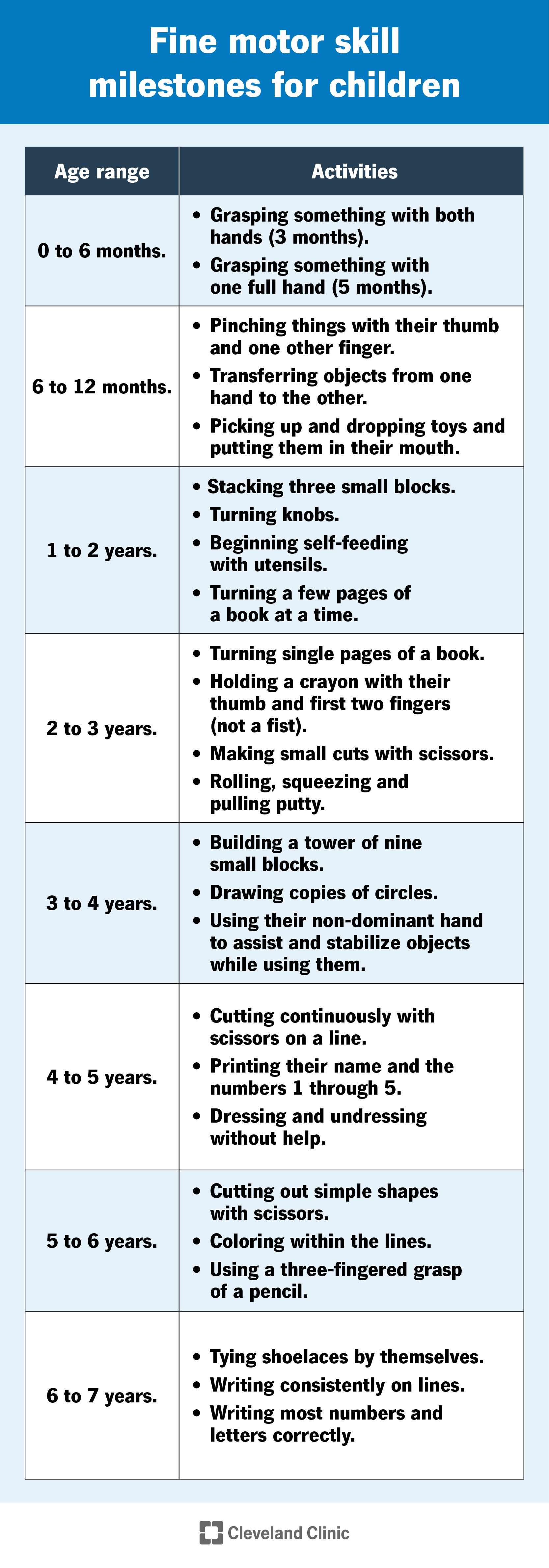
Fine motor skill growth is a key part of a newborn’s development. These skills involve small movements using the hands and fingers. Babies begin to control their tiny muscles in hands and fingers. This growth helps them explore their world and learn new things.
Fine motor skills build the foundation for many daily activities. These include feeding, dressing, and playing. Watching these skills develop gives insight into a baby’s progress.
Finger Dexterity
Finger dexterity means the ability to move fingers with control and precision. Newborns start with simple finger movements. They may wiggle or curl their fingers. Over weeks, they gain better control.
By two months, many babies begin to open and close their hands. They also start to bring fingers to their mouth. These actions show growing finger strength and coordination.
Finger dexterity helps babies grasp objects and explore textures. It also prepares them for future skills like holding a spoon or pencil.
Object Manipulation
Object manipulation is the skill of holding, moving, and exploring things. Babies first learn to grasp toys or small items. This skill improves as they develop hand-eye coordination.
At about three months, babies may swipe at or bat a toy. Later, they try to hold and shake objects. This shows their growing interest and control.
Manipulating objects helps babies understand shapes, sizes, and textures. It also improves their focus and problem-solving skills.
Tracking And Visual Coordination
Tracking and visual coordination are key skills newborns develop early. These skills help babies understand their world. They learn to focus on objects and follow movements with their eyes. This ability supports later actions like reaching and grabbing.
Strong tracking and coordination lay the foundation for motor skills. Parents and caregivers can watch for signs of progress. Watching these milestones helps ensure healthy development.
Following Moving Objects
Newborns start to follow slow-moving objects with their eyes. They may watch a toy or a parent’s face. This ability usually appears around 6 to 8 weeks. Tracking helps babies learn how things move in space.
At first, babies move their heads to keep up. Eyes alone may not track smoothly. Over time, eye movement becomes steadier and more accurate. This skill shows the brain and eyes work together well.
Hand-eye Coordination
Hand-eye coordination means using vision to guide hand movements. Babies begin to reach for things they see. This skill starts around 3 months old. At first, reaching is clumsy and uncoordinated.
Practice helps improve timing and accuracy. Babies learn to grab toys and bring them to their mouth. This development supports later skills like feeding and writing. Hand-eye coordination is important for many daily tasks.
Common Variations
Newborn motor skill milestones show how babies grow and learn to move. These skills include holding up their head, reaching, and kicking. Each baby develops at their own pace. Some may reach milestones earlier or later than others. Understanding common variations helps parents know what to expect.
Babies develop skills in different ways. Some move their arms a lot but take longer to control their hands. Others may crawl early but take time to walk. These differences are normal. They reflect each baby’s unique growth pattern.
Normal Range Of Development
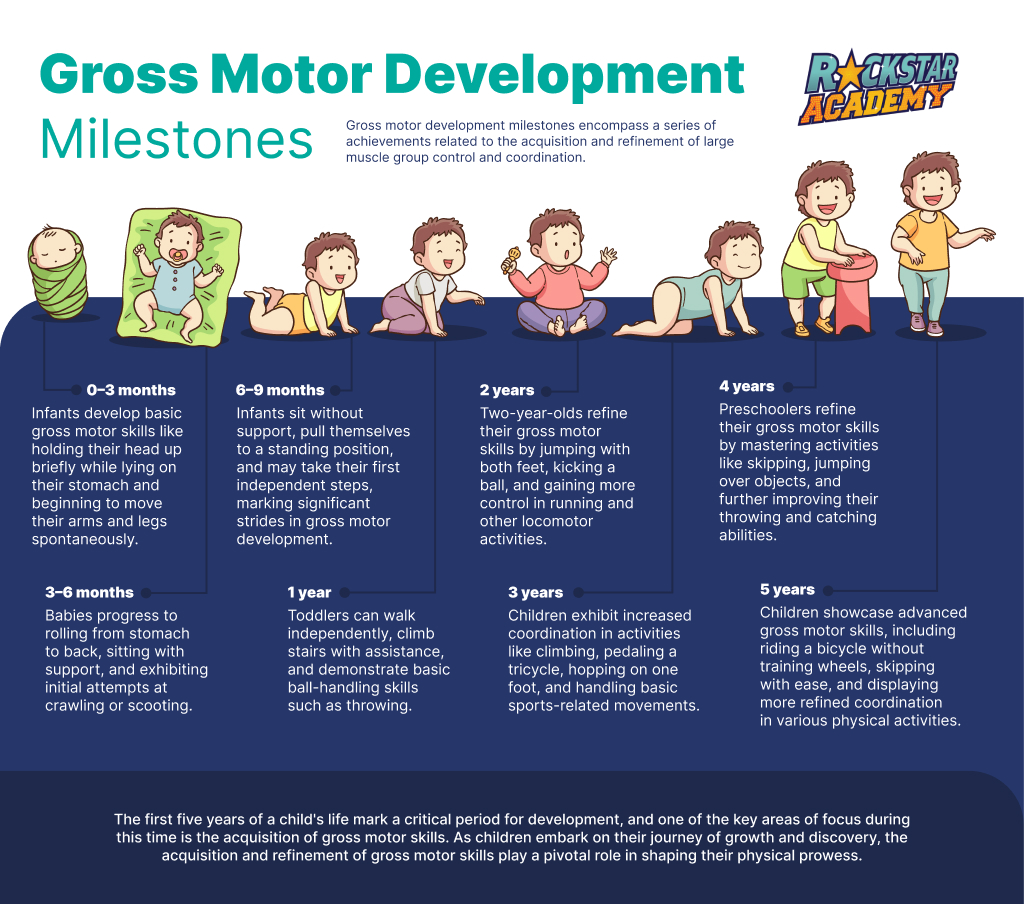
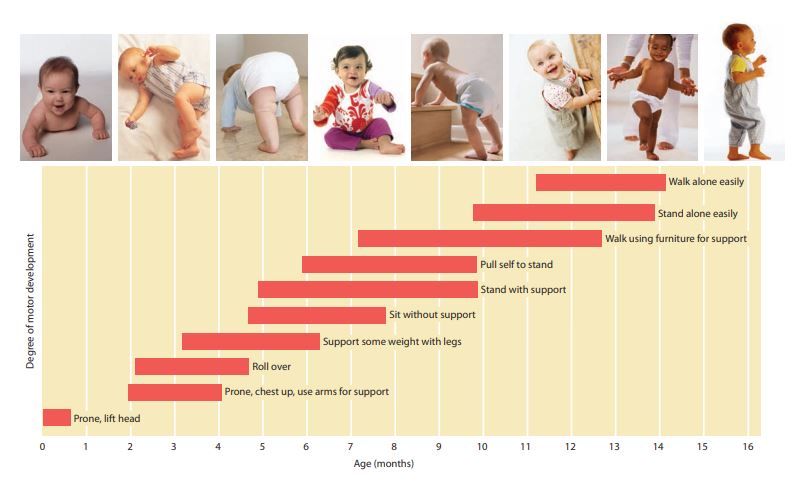
Most newborns start lifting their heads by 1 to 2 months. Some may do this a bit earlier or later. Rolling over usually happens between 3 and 6 months. Sitting without support often occurs around 6 months. Walking typically begins between 9 and 15 months. These time frames show a wide but normal range.
Motor skills develop step by step. A delay of a few weeks is common and usually not a concern. Babies grow at different speeds. Parents should watch for steady progress over time.
When To Seek Advice
Consult a doctor if a baby shows no movement at all. Lack of response to touch or sound can be a warning sign. If a baby cannot hold their head up by 4 months, speak with a healthcare provider. No attempt to roll over by 6 months also needs attention.
Early support helps address problems. Health professionals can guide parents with exercises or therapy. Timely advice ensures babies get the help they need to thrive.
Frequently Asked Questions
What Are Newborn Motor Skill Milestones?
Newborn motor skill milestones are key physical developments in babies’ first months. These include reflexes, head control, and hand movements. Tracking these helps assess healthy growth and early brain development in infants.
When Do Newborns Start Developing Motor Skills?
Newborns begin developing motor skills from birth. Early skills like grasping and reflexes appear within weeks. More controlled movements, such as lifting the head, develop around 1 to 3 months.
How Can Parents Support Motor Skill Development?
Parents can support motor skills by encouraging tummy time, providing safe play areas, and offering toys to grasp. Gentle exercises and interaction promote muscle strength and coordination in newborns.
What Are Common Signs Of Delayed Motor Skills?
Signs of delayed motor skills include poor head control, limited movement, and weak reflexes beyond typical ages. If a baby shows these signs, consult a pediatrician for evaluation and guidance.
Conclusion
Newborn motor skill milestones show how babies grow and learn. Each baby moves and develops at their own pace. Parents can watch small changes every day. These skills build the base for future learning and play. Keep encouraging your baby with gentle support and care.
Celebrate every little success along the way. Understanding milestones helps you feel more confident as a parent. Enjoy this special time of discovery and growth together.


