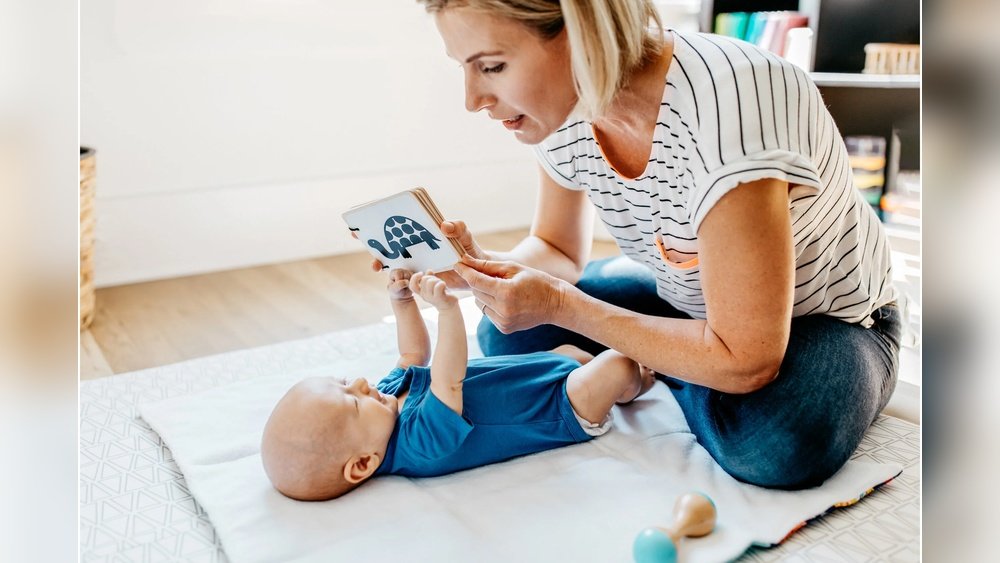
Are you curious about how your newborn’s tiny actions are actually powerful steps in learning? What if you could boost your baby’s growth simply by playing together?
Understanding newborn learning through play techniques can transform the way you connect with your little one. This isn’t just about fun—it’s about setting the foundation for your baby’s brain, body, and emotions. Keep reading to discover simple, effective ways you can support your newborn’s development every day.
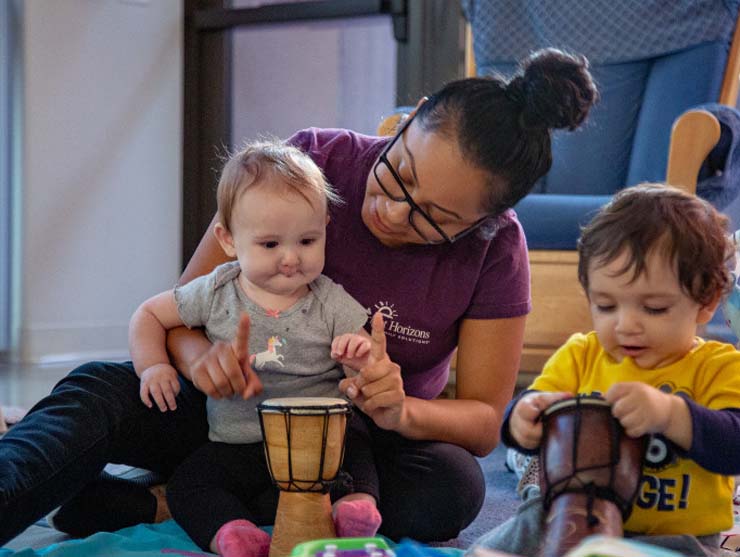
Benefits Of Play For Newborns
Play is a natural way for newborns to learn about the world. Through simple activities, babies develop important skills. These early moments of play help build a strong foundation for their growth.
Playing supports many areas of a baby’s development. It helps their brain grow, their body get stronger, and their feelings connect with others.
Boosting Cognitive Growth
Play helps newborns learn how to think and understand. When babies explore toys or sounds, they practice focusing and remembering. These activities build brain pathways that support learning.
Simple play teaches cause and effect. For example, shaking a rattle and hearing noise shows them how actions work. This kind of learning is the start of problem-solving skills.
Enhancing Motor Skills
Newborn play encourages movement and coordination. Reaching for toys helps develop hand and finger strength. Kicking or waving arms improves muscle control.
These small movements prepare babies for bigger actions like crawling and walking. Play also improves their balance and body awareness.
Encouraging Emotional Bonding
Play creates special moments between babies and caregivers. Smiling, talking, and gentle touches during play build trust and love. Babies feel safe and happy in these moments.
Emotional bonding supports a baby’s confidence. It helps them feel secure and ready to explore more of the world.
Types Of Play Techniques
Newborn learning through play uses different techniques that help babies grow. These play types support brain, motor, and social skills. Each method offers unique ways to explore and learn safely.
Parents and caregivers can choose simple activities to stimulate senses and build early skills. Understanding these types helps create a fun, nurturing environment for babies.
Sensory Play Activities
Sensory play involves using touch, sight, sound, taste, and smell. It helps babies understand their world through senses. Examples include soft fabrics, colorful toys, and gentle music. These activities improve focus and calm a baby’s mind. Sensory play also supports brain development and coordination.
Tummy Time Exercises
Tummy time strengthens neck and shoulder muscles. Babies learn to lift their heads and move arms. It prevents flat spots on the head and improves motor skills. Short, supervised tummy time sessions several times a day work best. Use a soft mat and toys to encourage movement.
Interactive Vocal Play
Talking, singing, and cooing help babies learn sounds and words. This play builds listening skills and language awareness. Use varied tones and simple words to keep the baby engaged. Responding to baby sounds encourages communication and bonding. Vocal play is easy and powerful for early learning.
Choosing Safe Play Materials
Choosing safe play materials is very important for newborns. Babies explore the world by touching and tasting. Unsafe toys can harm them or cause choking. Parents must pick items that keep babies safe while helping their learning and growth.
Safe toys encourage curiosity and help develop senses. The right materials support baby’s play and learning without risks. Always check toys for safety before giving them to your baby.
Non-toxic Toys
Non-toxic toys are free from harmful chemicals. Babies often put toys in their mouths. Toys made from safe materials protect their health. Look for labels that say “non-toxic” or “BPA-free.” These toys do not cause allergies or poisoning.
Age-appropriate Items
Choose toys that match your baby’s age. Newborns need simple shapes and colors. Toys too small can cause choking. Too complex toys may confuse or frustrate babies. Age-appropriate toys help babies learn step by step.
Soft And Textured Options
Soft toys are gentle on baby’s skin. Textured toys stimulate their sense of touch. Different textures help babies explore and learn. Soft fabric or rubber toys are good choices. Avoid hard or sharp edges that can hurt babies.
Creating A Stimulating Environment
Creating a stimulating environment helps newborns learn through play. It supports their brain growth and senses. Newborns explore the world by seeing, hearing, and touching. A well-prepared space invites them to discover and feel safe. This environment makes learning fun and natural for babies.
Bright Colors And Contrasts
Newborns notice bright colors and strong contrasts easily. These visuals catch their attention and make their eyes work. Use toys and decorations in bold colors like red, black, and white. Patterns with clear shapes help babies focus and learn to see better. Bright colors also encourage babies to reach and grab.
Gentle Sounds And Music
Soft sounds and music calm newborns and boost their hearing skills. Play gentle melodies or nature sounds to soothe your baby. Simple rhythms help babies recognize different tones and beats. Talking or singing softly also builds language skills early. Sounds invite babies to listen and respond.
Comfortable Play Spaces
Babies need safe and cozy places to play and explore. Use soft mats or blankets on the floor for comfort. Make sure the area is clean and free of sharp objects. A warm, quiet spot helps babies feel secure. Comfortable spaces encourage longer and happier playtimes.
Parental Involvement Tips
Parental involvement plays a big role in newborn learning through play. Parents help babies explore and understand the world. Their actions guide babies to learn new skills and build strong bonds. Simple ways can make playtime more meaningful and fun for both.
Responsive Interaction
Responding quickly to your baby’s sounds and movements shows you care. It helps them feel safe and loved. Talk softly and smile often. Copy their sounds and facial expressions. This interaction teaches babies about communication and emotions.
Following Baby’s Cues
Watch your baby’s signals closely. They may show interest or need a break. Follow their lead during play. If they turn away or fuss, pause the activity. Let them rest or try something else. Respecting cues builds trust and keeps play positive.
Consistent Playtime Routine
Set a regular time for play every day. Babies learn from patterns and feel secure. Short sessions are best, around 10 to 15 minutes. Use similar toys and activities to create familiarity. A routine helps develop focus and joy in learning.
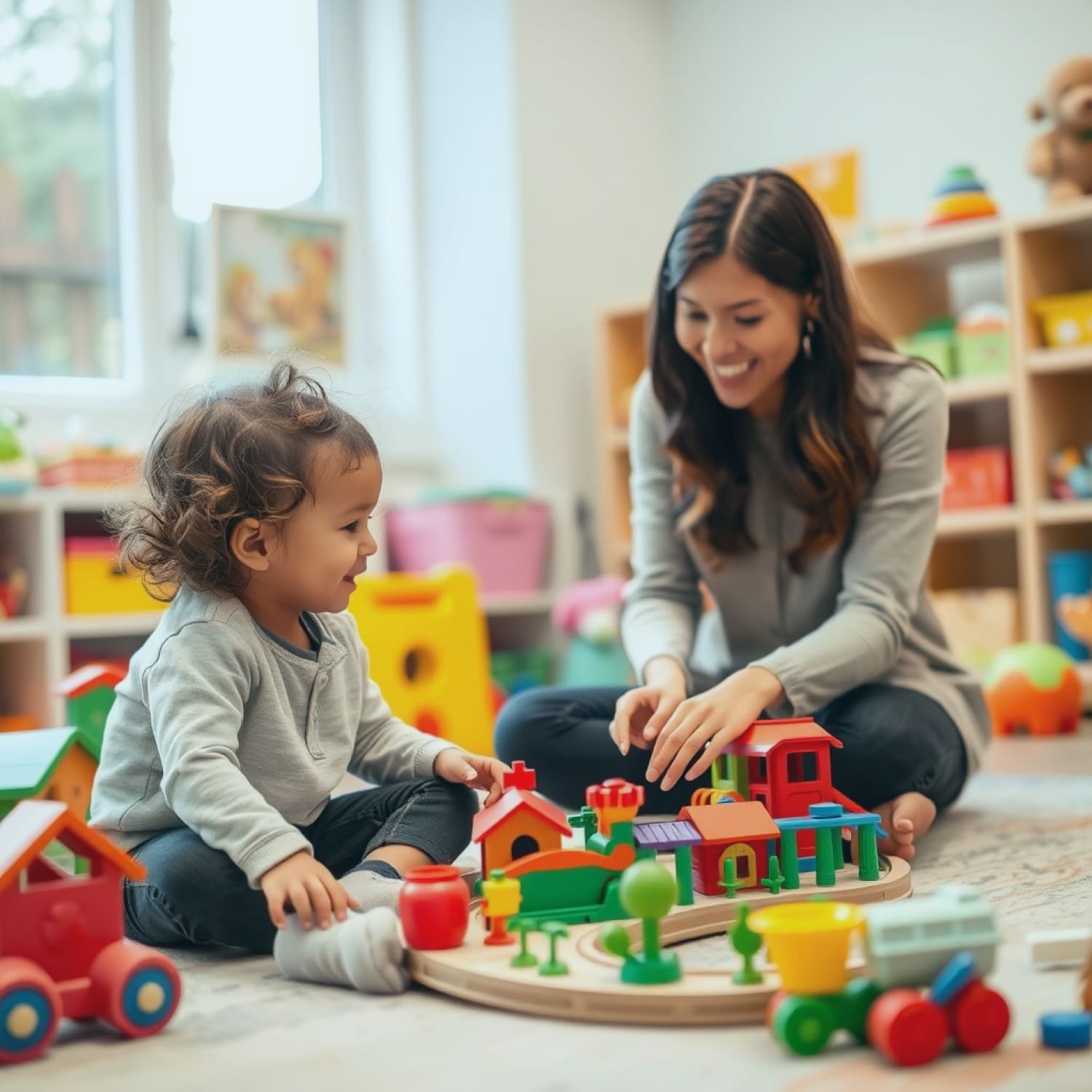
Tracking Development Through Play
Tracking your newborn’s development through play helps you see their growth clearly. Play is not just fun; it shows how your baby learns new skills. Watching your baby play lets you notice changes in movement, thinking, and social skills. This helps you support their learning better every day.
Recognizing Milestones
Milestones are key skills babies usually reach at certain ages. These include smiling, rolling over, and grabbing toys. Notice if your baby starts to do these actions. Each new skill shows their brain and body are growing well. Keep a simple list of what your baby can do. It helps track progress and find patterns.
Adjusting Techniques As Baby Grows
As babies grow, their play needs change. Younger babies enjoy soft toys and gentle sounds. Older babies like to reach, crawl, and explore objects. Change play activities to match your baby’s skills. This keeps them interested and challenges their abilities. Use bright colors and different textures for variety. Adapt play to support their next learning steps.
When To Seek Professional Advice
Sometimes, babies may miss important milestones. Notice if your baby does not smile by three months or cannot hold their head up by six months. Talk to a doctor or early childhood expert for advice. Early help can make a big difference. Professionals can guide you on play techniques and development checks.

Frequently Asked Questions
What Skills Do Newborns Develop Through Play?
Newborns develop motor, sensory, and cognitive skills through play. Play stimulates their brain, enhances coordination, and supports emotional bonding with caregivers.
How Does Play Aid Newborn Brain Development?
Play activates neural connections in a newborn’s brain. It promotes learning, memory, and problem-solving abilities, essential for early brain growth.
What Are Simple Play Techniques For Newborns?
Simple techniques include tummy time, gentle touch, visual stimulation, and soft sounds. These encourage sensory exploration and physical strength.
When Should Parents Start Newborn Play Activities?
Parents can begin play activities from birth. Early interactions boost development and foster secure attachment with the baby.
Conclusion
Newborns learn best through simple play techniques. They explore sounds, colors, and textures around them. Playing helps babies develop their senses and muscles. It also builds early brain connections for learning. Caregivers can support growth by joining in play. Small, fun activities make learning natural and easy.
Keep playtime gentle and full of smiles. This approach helps babies grow happy and strong. Play is more than fun—it’s a key to early learning.


