Are you curious about how your newborn will grow and move in the first months of life? Understanding gross motor skills milestones can give you clear signs of your baby’s progress and help you support their development.
These milestones show when your little one will start lifting their head, rolling over, sitting up, and eventually crawling. Knowing what to expect can ease your worries and make those special moments even more exciting. Keep reading to discover the key gross motor skills milestones for your newborn and how you can encourage each step along the way.
Early Reflexes
Early reflexes are the first movements a newborn makes. These reflexes show how a baby’s brain and nerves work. They are important for survival and help babies learn new skills. Parents often notice these reflexes in the first few weeks of life.
These automatic actions prepare babies for later motor milestones. They also guide early feeding and movement. Understanding these reflexes helps track healthy development.
Rooting And Sucking Reflex
The rooting reflex helps a baby find the breast or bottle. When you gently touch a baby’s cheek, they turn their head toward the touch. This action helps the baby start feeding.
The sucking reflex works with rooting. Once the baby finds the nipple, they begin to suck. This reflex is vital for nutrition and comfort.
Moro Reflex
The Moro reflex is also called the startle reflex. When a baby feels a sudden drop or loud sound, they spread their arms wide. Then, they bring their arms back in and often cry.
This reflex shows the baby’s response to the environment. It fades by about 4 to 6 months as the baby gains control over movements.
Grasp Reflex
The grasp reflex appears when you place a finger in a baby’s palm. The baby closes their fingers tightly around it. This reflex helps babies develop hand muscles.
It also encourages early hand-eye coordination. This reflex usually fades by 5 to 6 months as voluntary grasping begins.
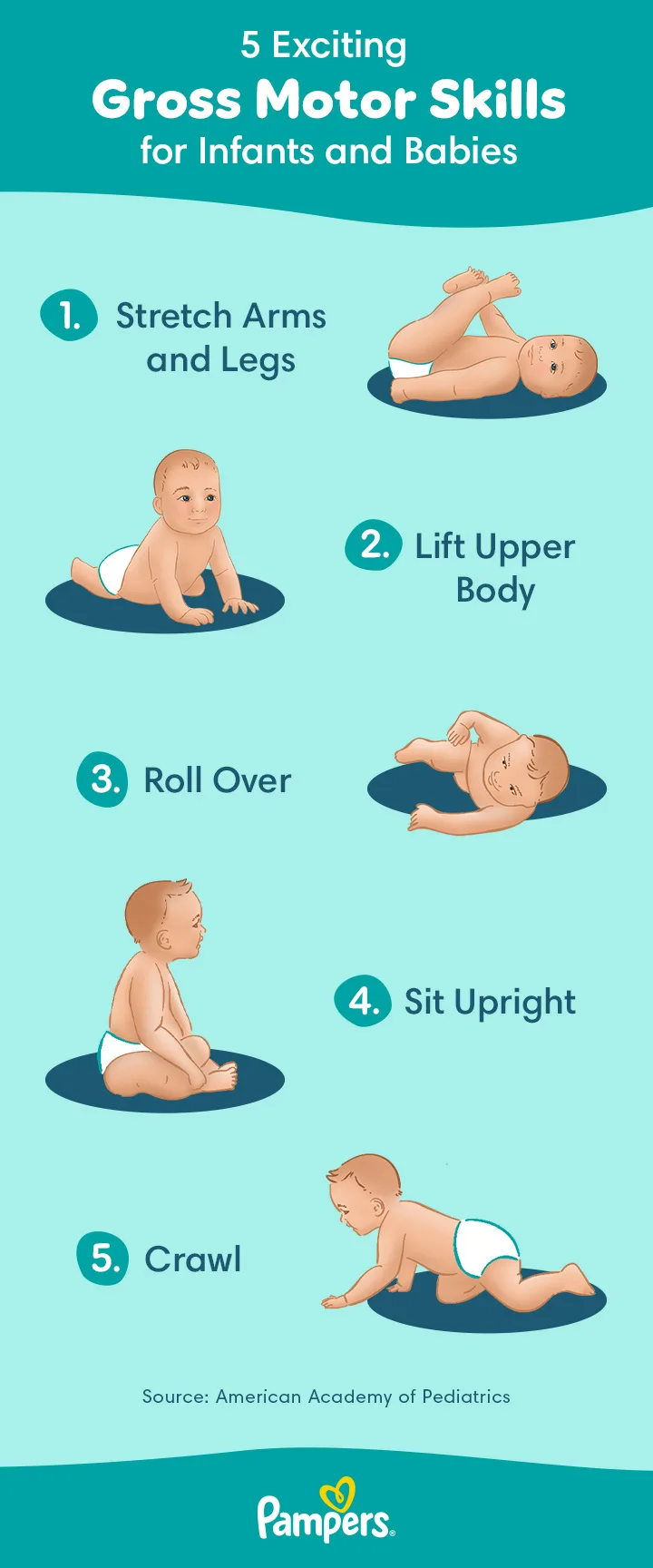
Head Control
Head control is one of the first important gross motor skills a newborn develops. It helps babies explore their world safely. Strong head control supports other movements like sitting and crawling. Parents often watch for these early signs of growth. Understanding head control milestones guides proper care and encouragement.
Lifting Head While On Tummy
Babies start lifting their heads during tummy time. This usually happens around 1 to 2 months old. They push up with their arms to lift the head. This movement strengthens neck muscles. Tummy time also helps prevent flat spots on the head. Regular short sessions improve head lifting skills.
Holding Head Steady
By about 3 to 4 months, babies hold their heads steady. They can keep the head upright without support. This skill shows strong neck and upper back muscles. Holding the head steady helps babies focus on objects. It also prepares them for sitting up and crawling. Caregivers should support the head carefully before this stage.
Body Movements
Body movements mark key steps in a newborn’s physical growth. These actions show how muscles and coordination develop. Watching these milestones helps caregivers understand a baby’s progress. Early movements lay the foundation for later skills like sitting, crawling, and walking.
Rolling Over
Rolling over is one of the first big body movements. Babies usually start this skill around 4 months old. It shows strength in the neck, arms, and torso. At first, they may roll from tummy to back. Later, they try rolling from back to tummy. This movement helps build muscle control and balance.
Pushing Up With Arms
Pushing up with arms develops upper body strength. Babies begin this action at about 2 to 3 months. They lift their head and chest while lying on their tummy. This effort strengthens shoulders and arms. It also improves head control and prepares them for crawling. Caregivers can encourage this by giving tummy time daily.
Sitting Skills
Sitting skills mark an important stage in a newborn’s physical growth. These skills show how well a baby can control their body. Sitting helps a baby explore the world from a new angle. It also supports further motor skills like crawling and standing. Parents and caregivers watch these milestones closely to track development.
Supported Sitting
Supported sitting happens first. A baby can hold their head up but needs help to sit. Caregivers often use their hands or cushions for support. This stage usually starts around 4 to 6 months old. The baby learns to balance and strengthen back muscles. Supported sitting builds the base for sitting alone.
Sitting Without Support
Sitting without support comes next. Babies can sit alone for short times. They use their hands to steady themselves. This skill often appears between 6 to 8 months. Sitting alone shows improved muscle strength and balance. It allows babies to reach and play with toys more easily.
Crawling And Mobility
Crawling and mobility are important milestones in a baby’s gross motor skill development. These skills help babies explore their surroundings and build strength. Movement like crawling also improves coordination and balance. Parents often watch eagerly as their baby starts moving more independently.
Mobility begins with small efforts like scooting and gradually moves to more active crawling. Each stage shows the baby’s growing muscle control and confidence. These early movements pave the way for standing and walking later.
Scooting And Crawling
Scooting is one of the first ways babies move around. They may slide on their bottom or use their arms to pull themselves forward. This helps them learn how to use their muscles together.
Crawling usually starts between 6 and 10 months. Babies use their hands and knees to move forward. This movement strengthens their arms, legs, and back. Crawling also improves hand-eye coordination and spatial awareness.
Pulling To Stand
After mastering crawling, many babies try pulling themselves up to stand. This usually happens around 9 to 12 months. Babies hold onto furniture or a parent’s hand for support.
This skill builds leg muscles and balance. Pulling to stand is an important step before cruising along furniture or taking first steps. It shows growing confidence and muscle control.
Walking Preparation
Walking preparation is a key stage in a baby’s gross motor skills development. It helps babies build strength and balance. These skills prepare them to take their first independent steps. Parents often notice small changes as babies get ready to walk.
Cruising Along Furniture
Cruising means moving sideways while holding onto furniture. Babies use their hands to grip tables or sofas. This action helps them practice balance and coordination. Cruising usually starts around 8 to 10 months. It boosts confidence for standing and walking alone. Babies learn to shift weight from one leg to the other. This skill makes walking easier when they let go.
First Steps
First steps are a major milestone for babies. It often happens between 9 and 15 months. Babies take a few steps without holding on. These steps may be wobbly and slow. Each step builds muscle strength and control. Parents should encourage and celebrate this achievement. It marks the beginning of more freedom and exploration for babies.
Factors Affecting Milestones
Gross motor skills milestones mark important steps in a newborn’s physical growth. Several factors can affect when babies reach these milestones. These factors work together to shape a child’s development speed and success. Understanding these can help caregivers support healthy growth.
Genetics And Environment
Genes play a key role in a baby’s motor skills development. Babies inherit traits from their parents that influence muscle strength and coordination. The environment also shapes how skills develop. A safe and stimulating space encourages movement and practice. Both genetics and surroundings form the base for milestone progress.
Nutrition And Health
Good nutrition fuels muscle growth and brain function. Babies need the right vitamins and minerals to build strong bodies. Illness or health issues can slow down milestone achievement. Regular check-ups help catch problems early. Healthy babies tend to reach milestones on time.
Tummy Time Importance
Tummy time strengthens neck, shoulder, and arm muscles. It helps babies gain control over their bodies. This practice supports crawling and sitting skills later. Short, frequent tummy sessions build confidence and ability. Caregivers should encourage tummy time daily for best results.

Frequently Asked Questions
What Are Gross Motor Skills In Newborns?
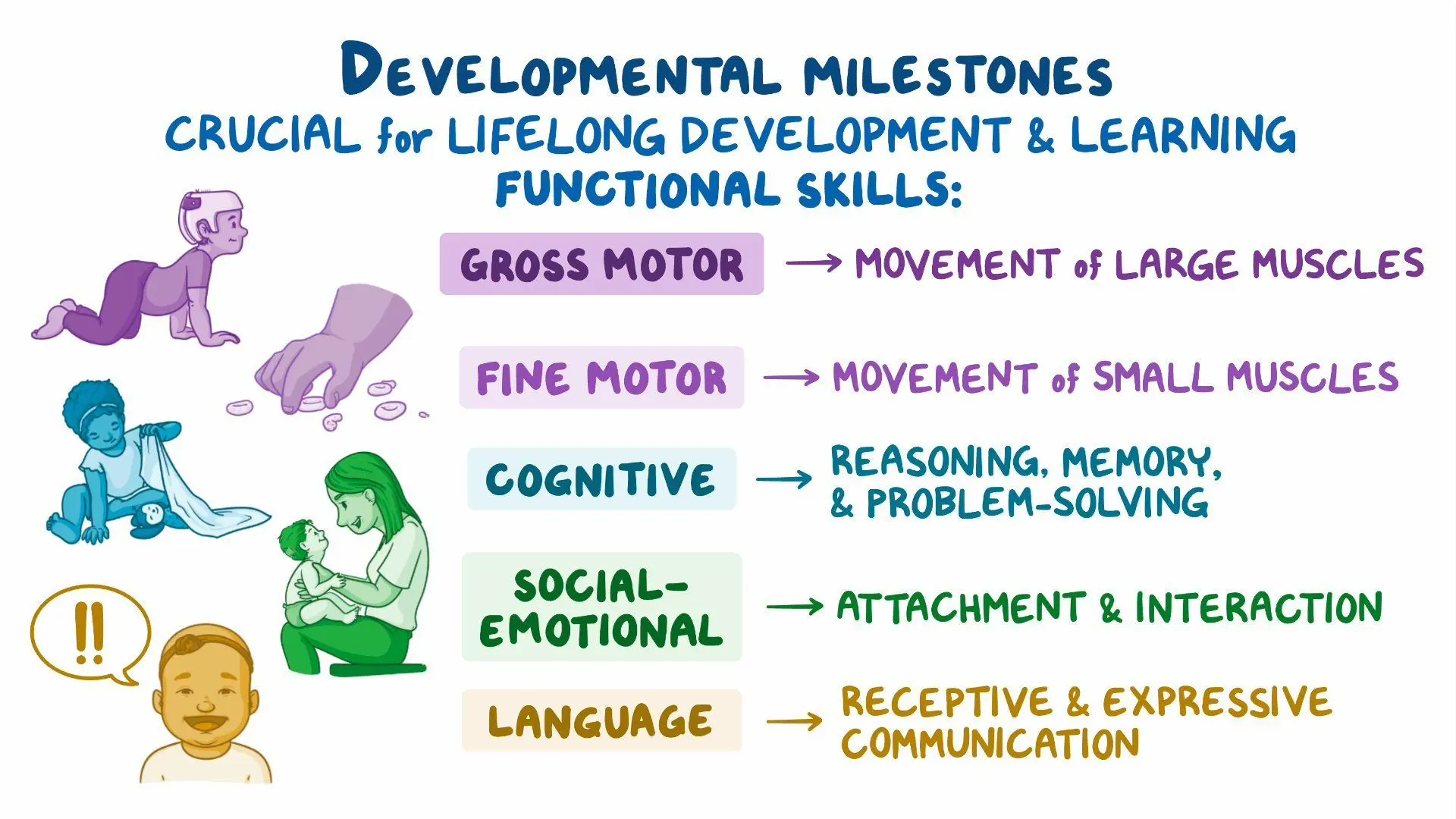
Gross motor skills involve large muscle movements like head lifting, rolling, and sitting. These skills develop as babies grow and gain strength.
When Do Newborns Typically Lift Their Heads?
Newborns usually start lifting their heads around 1 to 3 months. This milestone indicates neck muscle strengthening and control.
How Can Parents Support Gross Motor Skill Development?
Parents can support development by providing tummy time, encouraging movement, and offering safe spaces for exploration and practice.
What Is The Importance Of Gross Motor Milestones?
Gross motor milestones show healthy physical development. They help predict future mobility and coordination in babies.
Conclusion
Gross motor skills develop step by step during a baby’s first months. Babies learn to lift their heads, roll over, and sit up. Each milestone shows their growing strength and coordination. Parents can support this growth by giving babies safe spaces to move.
Watching these changes helps you understand your baby’s progress. Remember, every child grows at their own pace. Celebrate small wins and enjoy these early moments together. Staying patient and encouraging makes a big difference in your baby’s development journey.


