Are you eager to give your newborn the best start in life? Early developmental exercises can make a big difference in your baby’s growth and happiness.
These simple movements and activities help build strength, coordination, and brain connections right from the start. Imagine seeing your little one reach important milestones faster while bonding with you in the process. Keep reading to discover easy, effective exercises you can do with your newborn today—and watch your baby thrive in ways you never expected.
Importance Of Early Exercises
Early developmental exercises help newborns build strength and coordination. These simple movements support healthy growth and brain development. Starting exercises soon after birth encourages better motor skills and bonding with parents.
Early developmental exercises help newborns grow strong and healthy. These exercises support muscle growth and improve movement skills. They also encourage brain development by stimulating nerves and senses.
Starting exercises early helps babies learn to control their bodies. It promotes better coordination and balance. This creates a strong foundation for future skills like crawling and walking.
Supports Physical Growth
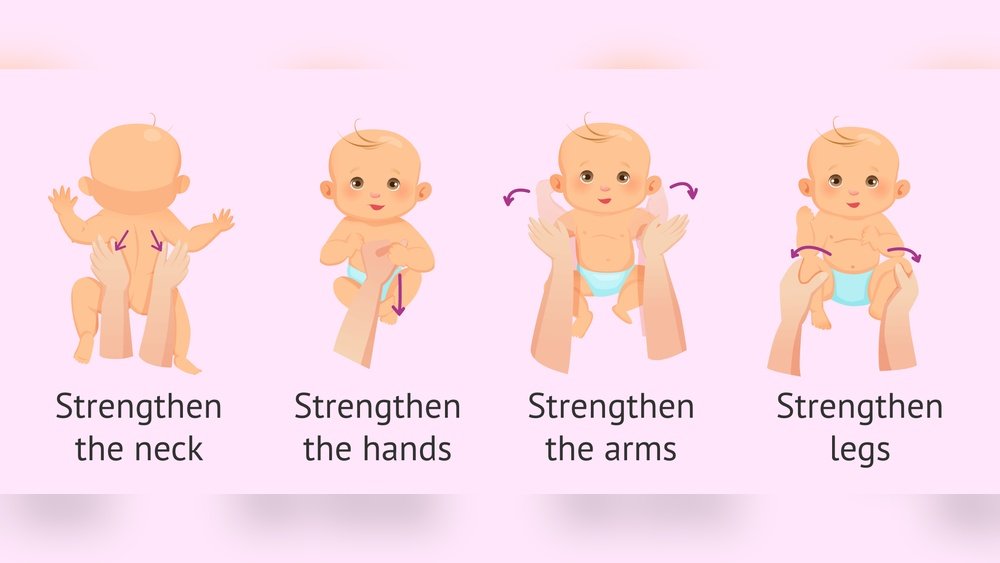
Exercise helps build muscles in arms, legs, and neck. It strengthens joints and bones too. Babies gain better control over their movements with regular activity.
Boosts Brain Development
Movement sends signals to the brain to form new connections. This helps improve memory and learning abilities. Early exercises also increase awareness of surroundings.
Enhances Motor Skills
Practicing simple movements improves fine and gross motor skills. Babies learn to reach, grasp, and roll over. These skills prepare them for walking and playing.
Promotes Emotional Bonding
Exercising together builds trust between parent and baby. It creates happy moments and reduces stress. Babies feel safe and loved during these activities.
Safe Movement Activities
Safe movement activities help newborns build strength and coordination. These exercises support healthy growth and motor skills. They also encourage babies to explore their bodies gently and confidently. Parents can do these activities easily at home. The focus is on comfort and safety, making sure babies feel secure.
Tummy Time Benefits
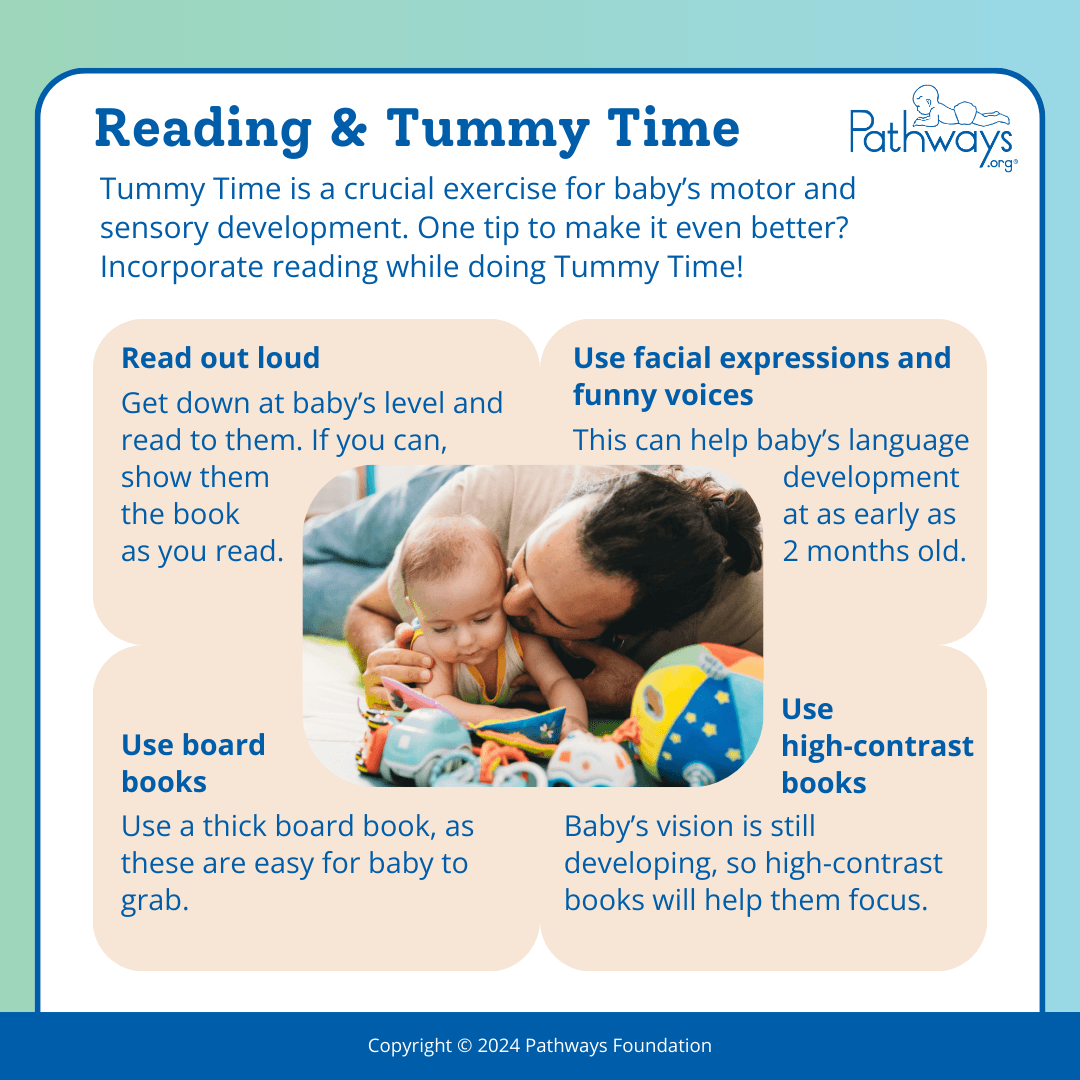
Tummy time is a key exercise for newborns. It helps strengthen neck and shoulder muscles. Babies learn to lift their heads and push up. This activity improves motor skills and prevents flat spots on the head. Start with short sessions and increase time slowly. Always supervise your baby during tummy time.
Gentle Stretching
Gentle stretching helps keep muscles flexible and relaxed. Parents can softly move baby’s arms and legs. This improves blood flow and reduces stiffness. Avoid forcing any movement. Stretching should feel smooth and comfortable. It also supports joint health and body awareness.
Supported Sitting
Supported sitting helps babies develop balance and posture. Use pillows or a baby seat for support. This position strengthens back and neck muscles. It also prepares babies for independent sitting later. Keep sessions short and watch for any discomfort. Supported sitting encourages good muscle control and focus.
Sensory Stimulation Techniques
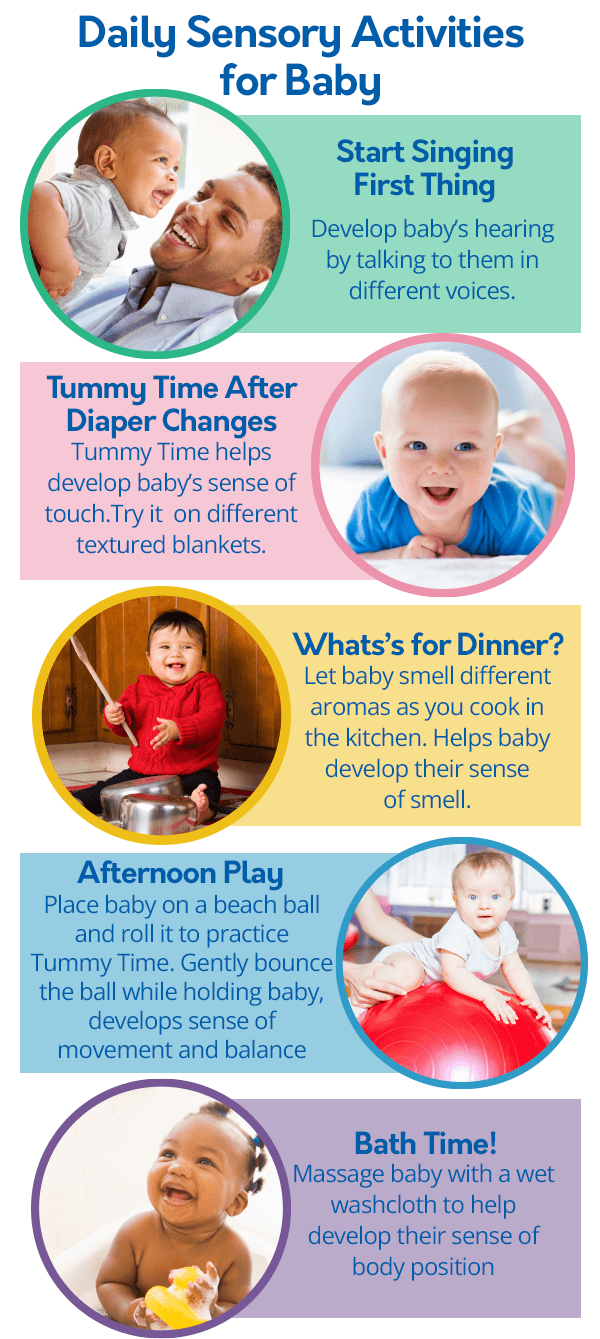
Sensory stimulation techniques help newborns learn about the world. These exercises support brain growth and build strong connections. Early sensory experiences shape how babies see, hear, and feel their surroundings. Parents can gently guide this learning with simple, safe activities.
Visual Tracking
Visual tracking means following moving objects with the eyes. It helps babies develop focus and coordination. Hold a colorful toy about 8-12 inches from your baby’s face. Slowly move it side to side. Watch your baby’s eyes follow the toy. This practice encourages eye muscle strength and attention.
Auditory Engagement
Auditory engagement involves exposing babies to different sounds. Talk softly or sing to your newborn. Use soft rattles or gentle music. These sounds help the baby recognize voices and tones. Regular sound exposure supports hearing skills and language development.
Tactile Exploration
Tactile exploration means touching and feeling different textures. Let your baby touch soft blankets, smooth toys, or gentle brushes. Use your hands to stroke their arms and legs softly. This helps babies learn about touch and builds comfort with new sensations.
Motor Skill Development
Motor skill development is a key part of a newborn’s growth. It helps babies learn to control their movements and explore the world around them. Early exercises can support this development by encouraging muscle strength and coordination. These exercises also help babies reach important milestones like grasping objects, kicking their legs, and controlling their head movements.
Grasping Exercises
Grasping exercises help babies learn to hold and release objects. Gently placing a small toy in their hand encourages them to close their fingers around it. This action strengthens hand muscles and improves coordination. Repeating this exercise several times a day builds their confidence and skill.
Leg Kicking
Leg kicking is a natural movement that babies enjoy. Helping them kick by moving their legs gently supports muscle development. You can hold their legs and guide the motion or let them kick freely on a soft surface. This exercise helps improve leg strength and prepares babies for crawling.
Head Control Practices
Head control is important for a baby’s balance and vision. Supporting the baby’s head while they lie on their tummy encourages them to lift and turn it. This practice builds neck muscles and improves focus. Regular short sessions help babies gain better control over their head movements.
Creating A Routine
Creating a routine for early developmental exercises helps your newborn feel safe and loved. Babies thrive with regular activities. It supports their growth and learning. A simple routine makes exercises easier for both parent and baby.
Consistency builds trust. Your baby will start to expect these moments. This makes the exercises more effective. It also strengthens your bond through gentle touch and interaction.
Timing And Frequency
Choose a time when your baby is calm and alert. Avoid times right after feeding or when sleepy. Short sessions of 5 to 10 minutes work best. Two to three times a day is enough for newborns.
Keep the routine gentle and flexible. Watch your baby’s reactions. Stop if they seem tired or upset. Regular timing helps your baby adjust and enjoy the exercises.
Environment Setup
Create a quiet and warm space for exercises. Use a soft blanket or mat on a flat surface. Remove distractions like loud noises or bright lights. This helps your baby focus and feel secure.
Keep toys and props simple. Soft toys or mirrors work well. Make sure your hands are clean and warm. A calm environment supports better learning and comfort.
Safety Tips
Safety is the top priority during early developmental exercises for newborns. These exercises help babies grow strong and learn new skills. Yet, care must be taken to protect their delicate bodies. Safe practices keep the experience fun and risk-free for both baby and parent.
Supervision Guidelines
Always stay close and watch your baby during exercises. Never leave a newborn alone on an exercise mat or elevated surface. Your presence ensures quick help if the baby needs it. Watch for signs of discomfort or tiredness. Stop the activity at once if the baby cries or fusses.
Avoiding Overexertion
Keep sessions short and gentle to avoid tiring your baby. Newborns have limited energy and need plenty of rest. Use soft movements and slow stretches. Avoid forcing any position or motion that seems hard for the baby. Let your baby guide the pace and intensity of exercises.
When To Seek Professional Advice
Signs like poor muscle control or delayed responses suggest it’s time to ask a doctor. Early help supports your baby’s healthy growth and development. Trust your instincts and seek advice if something feels off.
Signs Of Delayed Development
Babies develop skills at different speeds. Some delays may need expert attention. Watch for missed milestones like not smiling by 3 months or not holding the head up by 4 months. If your newborn shows little movement or lacks eye contact, consult a professional. Early help can improve outcomes.
Concerns About Muscle Tone And Movement
Notice if your baby feels very stiff or floppy. Uneven movements or one-sided weakness need checking. Difficulty sucking or swallowing may signal issues. These signs suggest a need for specialist advice. Early diagnosis helps guide proper exercises and care.
Behavioral And Sensory Concerns
Excessive fussiness or poor response to sounds and touch can worry parents. Babies who avoid eye contact or seem overly quiet might need support. Sensory processing problems can impact early development. A professional can assess and recommend strategies.
When Routine Exercises Cause Stress
If your baby resists developmental exercises or shows distress, pause and seek guidance. Exercises should not cause pain or fear. Professionals can suggest safe, gentle techniques tailored to your newborn’s needs. Ensuring comfort is key to progress.

Frequently Asked Questions
What Are Early Developmental Exercises For Newborns?
Early developmental exercises are gentle movements and activities that stimulate a newborn’s motor skills. They help improve muscle strength, coordination, and sensory development. These exercises support healthy growth and promote brain development during the crucial first months of life.
When Should I Start Developmental Exercises For My Baby?
You can start gentle developmental exercises from birth. Simple activities like tummy time and gentle stretching help build strength. Always ensure exercises are age-appropriate and done with care. Consult your pediatrician if unsure about specific movements.
How Often Should Newborn Developmental Exercises Be Done?
Short sessions of 5 to 10 minutes, 2 to 3 times daily, are ideal. Frequent but gentle exercises help develop muscles without tiring your baby. Consistency is key to supporting healthy motor skill development.
What Are Safe Exercises For Newborns At Home?
Safe exercises include tummy time, gentle leg bicycling, and guided arm movements. These encourage muscle strength and coordination without strain. Always support your baby’s head and monitor their comfort during exercises.
Conclusion
Early developmental exercises help newborns grow strong and healthy. These activities support muscle movement and brain growth. Parents can gently guide their babies through simple, daily routines. Small efforts build confidence and comfort in babies. Consistency matters more than duration or complexity.
Enjoy these moments; they create lasting bonds. Start early, stay patient, and watch progress unfold. Every baby is unique, so adapt exercises as needed. Healthy habits begin with love and care. Keep practicing, and celebrate each small achievement together.


