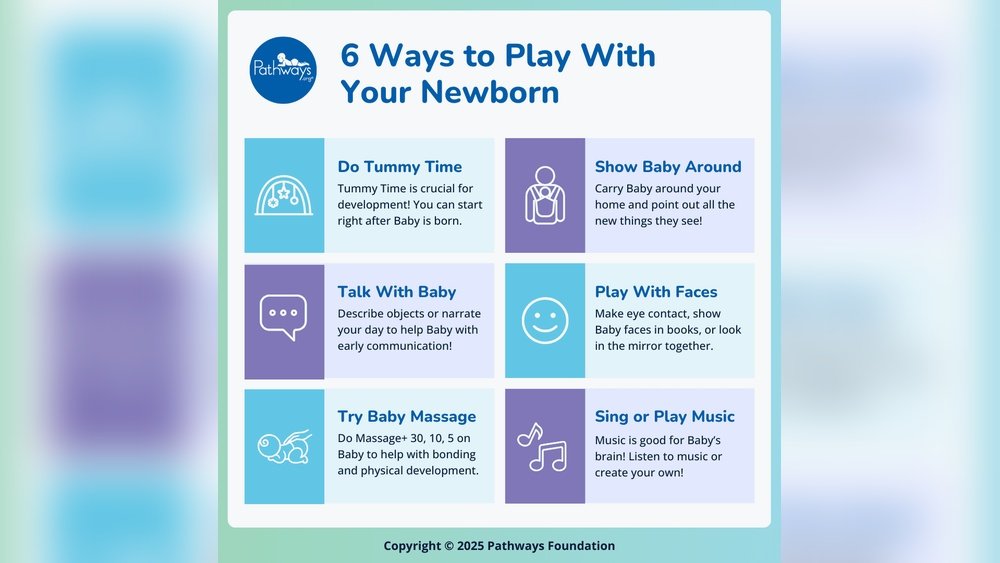
Are you wondering how to help your newborn grow strong and smart from the very start? The first few months of your baby’s life are full of amazing changes, and the right activities can make a big difference.
Developmental activities for newborns are simple, fun ways to boost your baby’s brain, muscles, and senses. Imagine watching your little one smile, reach out, and discover the world around them—all because of the small things you do every day. Keep reading to find out which activities you can easily try at home to support your baby’s healthy growth and create a special bond that lasts a lifetime.
Early Sensory Stimulation
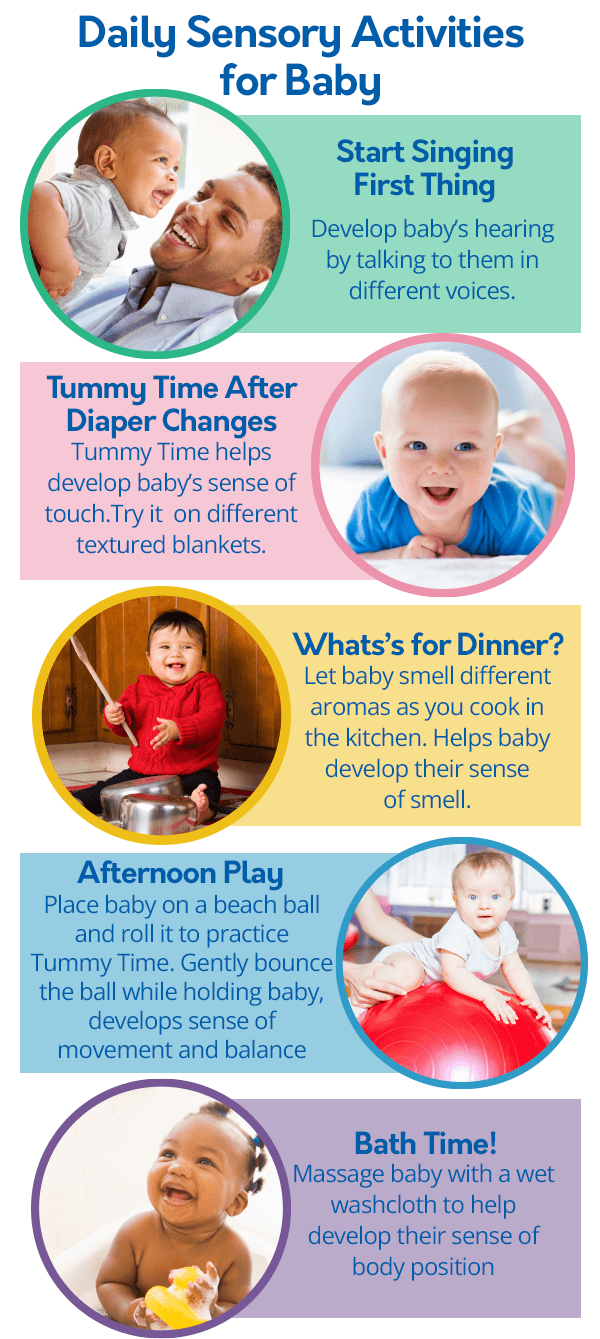
Early sensory stimulation helps newborns understand their world. It supports brain growth and builds strong connections. Babies learn best through their senses right after birth. This stage is key for their development.
Parents and caregivers can use simple activities to boost sensory skills. These activities encourage babies to see, hear, and touch new things. They also create a bond between baby and adult.
Visual Engagement Techniques
Use high-contrast black and white images near your baby. Move objects slowly to catch their attention. Bright colors and simple shapes work well too. Hold your face close and smile to engage their eyes. Changing the baby’s gaze direction helps focus and tracking skills.
Auditory Stimulation Ideas
Talk softly and clearly to your newborn often. Sing lullabies and simple songs with gentle rhythms. Play soft music with calm beats to soothe them. Use rattles or bells to introduce different sounds. Pause between sounds to let the baby listen carefully.
Tactile Exploration Methods
Gently stroke your baby’s hands, feet, and face. Offer soft toys with various textures for touching. Use different fabrics like cotton, silk, or wool on their skin. Give your baby a warm bath to feel water sensations. Skin-to-skin contact helps comfort and sensory growth.
Motor Skill Development
Motor skill development is crucial for newborns. It helps babies learn to move and explore their world. These skills include small movements like grabbing and big movements like rolling over. Early activities support these abilities and build strength and coordination.
Tummy Time Benefits
Tummy time strengthens a baby’s neck, shoulders, and arms. It prepares babies to lift their heads and push up. This activity reduces the risk of flat spots on the head. Short tummy sessions several times a day work best.
Encouraging Reaching And Grasping
Reaching helps babies practice hand-eye coordination. Offer colorful toys close by to encourage reaching. Grasping toys improves finger strength and control. These actions build fine motor skills needed later for holding objects.
Promoting Head And Neck Control
Strong head and neck muscles help babies look around safely. Support your baby’s head during holding and carrying. Gentle exercises like lifting the head during tummy time help. Good control is key for feeding and later sitting up.
Language And Communication
Language and communication skills start developing from the very first days of a newborn’s life. Babies learn to understand voices, sounds, and expressions. These early interactions build the base for talking and listening. Caregivers play a key role in helping babies grow these skills. Simple activities can make a big difference in how babies learn to communicate.
Responsive Talking And Singing
Talking to your baby often helps them recognize sounds and tones. Use a soft, calm voice. Repeat simple words and phrases. Singing lullabies or gentle songs also soothes and attracts their attention. These activities encourage babies to listen and respond. They start to understand the rhythm and melody of language.
Reading Aloud To Newborns
Reading books with bright pictures and simple words helps babies hear new sounds. Choose books with large, clear images. Point to pictures while naming them. Even if your baby cannot speak, hearing your voice creates a strong bond. It also builds their ability to listen and later recognize words.
Recognizing Baby’s Cues
Babies show feelings and needs through sounds and movements. Watch for smiles, coos, or fussiness. Responding quickly to these signs teaches babies that communication works. It encourages them to express themselves more. This back-and-forth interaction is vital for language growth.
Emotional Bonding
Emotional bonding plays a key role in a newborn’s growth and well-being. It builds trust and security between the baby and caregiver. This connection helps the baby feel safe and loved. Strong emotional bonds support healthy brain development and social skills. Simple daily activities can nurture this important bond.
Skin-to-skin Contact
Skin-to-skin contact means holding the baby against bare skin. This closeness warms the baby and calms their heartbeat. It helps regulate the baby’s breathing and body temperature. Skin contact also releases hormones that increase love and care feelings. Newborns feel comforted and relaxed during skin-to-skin time.
Eye Contact And Facial Expressions
Looking into a baby’s eyes creates a deep connection. Babies learn emotions by watching faces. Smiles and gentle looks tell the baby they are safe. Caregivers can use soft voices and slow movements to hold attention. Eye contact helps babies recognize their caregivers and feel secure.
Comforting And Soothing Techniques
Comforting a baby with gentle touch or soft sounds calms them. Rocking, swaddling, or singing can ease fussiness. These actions show care and build trust. Soothing helps the baby manage stress and feel peaceful. Consistent comfort helps babies develop strong emotional bonds.
Safe Environment Setup
Setting up a safe environment is the first step in supporting your newborn’s development. Babies learn best in spaces that are both secure and engaging. A well-prepared area helps your child explore without risks. It also encourages curiosity and growth through play and interaction.
Creating A Stimulating Space
Choose a quiet, comfortable corner for your baby’s activities. Use soft mats or blankets for a cozy floor area. Include colorful objects and gentle sounds to catch their attention. Keep the space tidy to avoid distractions. Bright but soft lighting helps newborns focus on toys and faces. Changing the setup often keeps your baby interested and alert.
Ensuring Safety During Activities
Always supervise your newborn during playtime. Remove small items that could cause choking. Cover sharp edges and secure heavy furniture. Avoid loose cords or strings near the baby’s reach. Use baby gates to block unsafe areas. Regularly check toys and equipment for damage or dirt. Clean the area often to keep germs away.
Choosing Age-appropriate Toys
Select toys made for newborns, focusing on soft textures and simple shapes. Avoid toys with small parts or batteries. Rattles, soft books, and teething rings work well. Toys should stimulate senses like touch, sight, and sound. Rotate toys to maintain your baby’s interest. Ensure materials are non-toxic and easy to clean. Age-appropriate toys support safe and healthy development.

Routine And Consistency
Routine and consistency play a big role in a newborn’s growth. They help babies feel safe and understand what comes next. This creates a calm environment where learning happens easily. Parents and caregivers can use daily routines to support healthy development.
Establishing Daily Activity Patterns
Daily patterns help babies know what to expect. Feeding, playtime, and sleep can follow a simple schedule. This predictability builds trust and comfort. Babies start to recognize times for eating, playing, and resting. Repeating the same activities at the same times is key.
Balancing Stimulation And Rest
Newborns need a mix of activity and quiet time. Too much stimulation can make them tired or upset. Gentle play and talking encourage brain growth. Quiet moments and naps help the body recover. Keeping a good balance supports strong development.
Monitoring Developmental Milestones
Watching for milestones shows how babies grow. These include smiling, holding the head up, or reaching for objects. Routine check-ins help track progress. Noticing changes early allows for timely support. Every baby develops at their own pace.
Frequently Asked Questions
What Are Essential Developmental Activities For Newborns?
Essential activities include tummy time, gentle massages, and sensory play. These support motor skills, bonding, and brain development in newborns.
How Does Tummy Time Benefit Newborn Development?
Tummy time strengthens neck and shoulder muscles. It improves motor skills and prevents flat head syndrome in newborns.
When Should I Start Developmental Activities For My Newborn?
Start gentle activities like talking and touching from birth. More active play can begin around 6 weeks as your baby grows.
Can Sensory Play Help Newborn Brain Development?
Yes, sensory play stimulates a newborn’s senses. It enhances cognitive growth and helps babies explore their environment safely.
Conclusion
Helping newborns grow needs gentle, fun activities every day. Simple actions like talking, singing, and tummy time build strong bonds. These moments also support babies’ senses and muscles. Small steps now can lead to big progress soon. Keep activities safe, loving, and consistent for best results.
Enjoy watching your baby learn and explore the world. Every little effort helps build a happy, healthy start.


