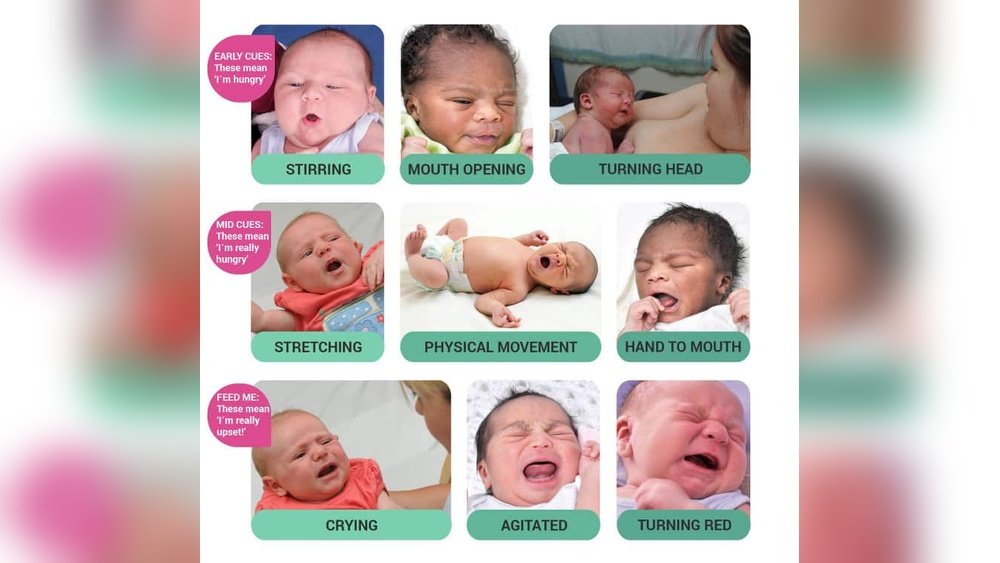
Are you wondering how your newborn tries to tell you what they need? Even though they can’t speak yet, your baby is already sending you important signals every day.
Understanding these communication cues can help you respond quickly and build a stronger bond with your little one. Imagine being able to recognize when your baby is hungry, tired, or needs comfort before they even cry. You’ll discover the simple signs your newborn uses to communicate, making your parenting journey smoother and more joyful.
Keep reading to unlock the secrets of your baby’s first language.
Types Of Newborn Communication
Newborns communicate through several simple yet powerful signals. These cues help parents understand their baby’s needs and feelings. Observing these signs closely builds a strong bond and supports the baby’s growth.
Each type of communication shows different emotions and needs. Learning to recognize these signs makes caregiving easier and more effective.
Crying Variations
Crying is the most common way newborns express themselves. Different cries mean different things. A hungry cry sounds urgent and rhythmic. A tired cry is softer and more whiny. Pain cries are loud, sharp, and sudden. Parents can learn to tell these cries apart with practice.
Facial Expressions
Newborns use facial expressions to show feelings. A smile can mean comfort or pleasure. Furrowed brows might show discomfort or confusion. Wide eyes often signal curiosity or surprise. These expressions offer clues about the baby’s mood and needs.
Body Movements
Body movements are another way babies communicate. Kicking legs or waving arms can show excitement or frustration. Arching the back may mean discomfort. Clenching fists might signal tension or hunger. Watching these movements helps parents respond correctly.
Eye Contact
Eye contact is important in newborn communication. Babies look at faces to connect and learn. Holding eye contact shows trust and interest. Avoiding eye contact may indicate tiredness or overstimulation. Eye contact helps build emotional bonds and understanding.

Common Crying Signals
Newborns use crying to share many needs. Understanding their cries helps parents respond quickly. Each cry has a different meaning. Learning these crying signals makes care easier. It reduces stress for both baby and parent.
Hunger Cues
Hunger cries are often rhythmic and short. Babies may also suck on their fingers. Their mouths might open and close. These signs show the baby wants to eat soon. Feeding early prevents strong, long crying spells.
Discomfort Signs
Crying from discomfort sounds fussy and uneven. The baby may squirm or pull legs up. This may mean a wet diaper or tight clothes. Sometimes, gas or colic causes this cry. Checking and soothing helps stop these cries quickly.
Tiredness Alerts
Tired cries are soft and whiny. Babies might yawn or rub their eyes. They may turn away from noise or light. These signals show the baby needs rest. Quiet and dim surroundings support calm and sleep.
Need For Attention
Cries for attention can be loud and urgent. Babies want to be held or cuddled. They may want to hear a familiar voice. Sometimes, they feel lonely or scared. Holding and talking gently soothes these cries fast.
Reading Facial Expressions
Newborns communicate a lot through their faces. Their expressions show how they feel. Understanding these signs helps caregivers respond well. It builds a strong bond between baby and parent. Paying attention to facial cues reveals the baby’s needs and emotions.
Smiling And Contentment
A smile from a newborn means comfort and happiness. It shows they feel safe and loved. Smiling often happens during quiet moments or after feeding. This sign helps parents know the baby is relaxed. Smiling also encourages more positive interactions.
Frowning And Distress
A frown signals discomfort or sadness in a newborn. It might mean hunger, pain, or tiredness. Parents can use this cue to check for problems. Frowning helps alert adults to soothe the baby quickly. Recognizing distress early prevents crying and fussiness.
Yawning And Sleepiness
Yawning is a clear sign the baby feels sleepy. It shows the need for rest or a nap. Watching for yawns helps parents set a calm routine. Sleepy babies need gentle care to fall asleep peacefully. Noticing yawns prevents overtiredness and fussiness.

Body Language Indicators
Newborns cannot speak, but their bodies say a lot. They use simple body movements to share feelings and needs. Understanding these signs helps parents care better and respond faster.
Body language indicators show if a baby is happy, tired, or uncomfortable. Parents learn to read these signs over time. Watch the baby’s hands, legs, and back for clues.
Hand Movements
Newborns move their hands to express feelings. Clenched fists may mean stress or discomfort. Open hands often show calmness or curiosity. Quick, jerky hand moves could signal hunger or tiredness.
Leg Kicking
Kicking legs usually show excitement or energy. Strong kicks can mean the baby feels happy. Slow or weak leg moves might indicate tiredness. Sometimes, kicking helps release frustration or discomfort.
Arching Back
Arching the back is a clear sign of distress. It often means the baby feels pain or is upset. This movement may happen during gas or tummy discomfort. Parents should check and soothe the baby gently.
Eye Contact And Gaze
Eye contact and gaze are important ways newborns communicate. Babies use their eyes to show feelings and connect with caregivers. Understanding these cues helps parents respond well and build trust. Newborns may use eye movements to express comfort, interest, or discomfort.
Engagement Cues
Newborns often make direct eye contact to show they are alert. They may gaze steadily at a face or bright object. This signals they want to interact or feel safe. When a baby locks eyes, it invites connection and bonding. Parents can respond with smiles or soft voices to encourage this.
Avoidance Signals
Sometimes babies look away or close their eyes quickly. This means they might feel tired or overwhelmed. Avoidance helps newborns manage strong feelings or too much stimulation. Parents should notice these signs and give the baby space or quiet time. Respecting these signals supports the baby’s comfort and calm.
Blinking Patterns
Blinking can show different emotions in newborns. Fast blinking may mean stress or discomfort. Slow, soft blinking often signals relaxation. Parents can watch blinking changes to understand how the baby feels. These patterns add clues to the baby’s overall mood and needs.
How To Respond To Cues
Responding to your newborn’s communication cues is key to building trust and comfort. Babies use sounds and movements to share their feelings and needs. Learning to notice these cues helps parents act quickly and appropriately. This creates a positive bond and supports healthy development.
Calming Techniques
Newborns cry or fuss to show they need comfort. Gentle rocking or soft singing can soothe them. Swaddling helps babies feel safe and warm. Offering a pacifier may also calm a distressed infant. Keep your voice soft and your movements slow to avoid startling them.
Meeting Basic Needs
Hunger, tiredness, or a wet diaper cause most baby signals. Watch for lip smacking or rooting to know when they are hungry. Yawning or eye rubbing shows they need sleep. Check their diaper if they seem uncomfortable. Responding quickly to these signs keeps your baby happy and healthy.
Encouraging Bonding
Hold your baby close to build connection and trust. Make eye contact and smile to show you care. Talk or sing softly to engage their senses. Skin-to-skin contact warms the baby and lowers stress. These moments create strong emotional ties that last a lifetime.
When To Seek Help
Newborns communicate through sounds, movements, and expressions. Parents learn to understand these signs over time. Sometimes, a baby’s signals may show a problem. Knowing when to seek help is very important. Early action can protect your newborn’s health and comfort.
Unusual Behaviors
Watch for strange actions or changes in your baby. If your newborn acts very sleepy or hard to wake, get help. Sudden stiffness or limpness is also a concern. Unusual eye movements or no response to sounds need medical advice. Trust your instincts about your baby’s behavior.
Persistent Crying
Crying is normal but constant crying is not. If your baby cries for hours and can’t be soothed, seek help. This may signal pain or discomfort. Check if the cry sounds different or very weak. Persistent crying can mean your baby needs a doctor.
Medical Concerns
Look for signs of illness like fever, vomiting, or diarrhea. Trouble breathing or blue lips require urgent medical care. Poor feeding or no wet diapers for 6 hours is a warning. Swelling, rash, or bleeding are serious and need prompt attention. Immediate help can prevent serious problems.

Frequently Asked Questions
What Are Common Communication Cues For Newborns?
Newborns use crying, facial expressions, and body movements to communicate needs. These cues signal hunger, discomfort, or sleepiness. Watching these signs helps parents respond effectively and build bonding.
How Do Newborns Show They Are Hungry?
Newborns show hunger by rooting, sucking on hands, or fussing. Crying is a late hunger cue. Recognizing early signs helps timely feeding and soothes the baby.
Why Is Understanding Newborn Communication Important?
Understanding newborn cues improves caregiver response and strengthens emotional connection. It reduces parental stress and helps meet the baby’s needs promptly, promoting healthy development.
When Do Newborns Start Using Communication Cues?
Newborns begin using communication cues from birth. Early signals like crying and facial expressions help them express needs before they develop language skills.
Conclusion
Newborns use many signals to show their needs and feelings. Parents can watch for cues like crying, eye contact, and body movements. These signs help caregivers understand and respond with care. Paying attention builds trust and supports baby’s growth. Each baby is unique and learns in their own way.
Patience and love make communication easier over time. Keep observing and enjoy the special bond you share. Communication starts early and grows every day.


