You want the best for your newborn, and that includes helping them grow strong and happy from the very start. Floor play exercises are a simple, natural way to support your baby’s development.
But how do you know which activities are safe and effective for your little one? You’ll discover easy and appropriate floor play exercises designed just for newborns. These gentle moves will not only boost your baby’s motor skills but also create special bonding moments between you two.
Keep reading to find out how to make floor time fun, safe, and full of growth for your baby.

Benefits Of Floor Play
Floor play is important for newborns. It helps them grow strong and learn new things. Spending time on the floor gives babies the chance to explore safely. This simple activity supports many areas of their development. Below are some key benefits of floor play for newborns.
Physical Development
Floor play helps babies build muscle strength. It encourages them to move their arms and legs. This movement improves coordination and balance. Lifting their head during tummy time strengthens neck muscles. Crawling and rolling help develop motor skills. Regular floor play supports healthy physical growth.
Cognitive Growth
Babies learn about the world through floor play. They see different colors, shapes, and textures. This exploration boosts their brain development. Floor play encourages problem-solving and curiosity. It also improves focus and attention span. Newborns start to understand cause and effect during play.
Bonding Opportunities
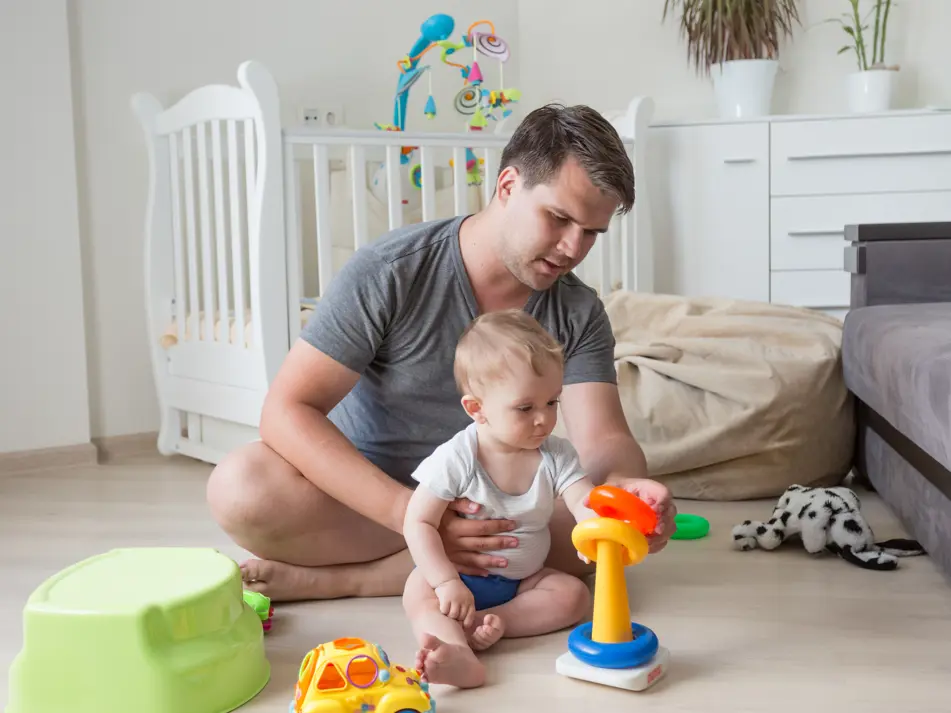
Floor play creates special moments between baby and parent. Parents can talk, smile, and touch their newborn. This interaction builds trust and emotional security. Playing together strengthens the parent-child connection. Babies feel safe and loved during these times. Bonding through floor play supports healthy relationships.
Safe Floor Play Setup
Setting up a safe floor play area is important for newborns. It helps them explore and develop skills in a secure space. A well-prepared space keeps babies comfortable and protected during their early exercises. Creating the right environment encourages healthy growth and learning.
Choosing The Right Surface
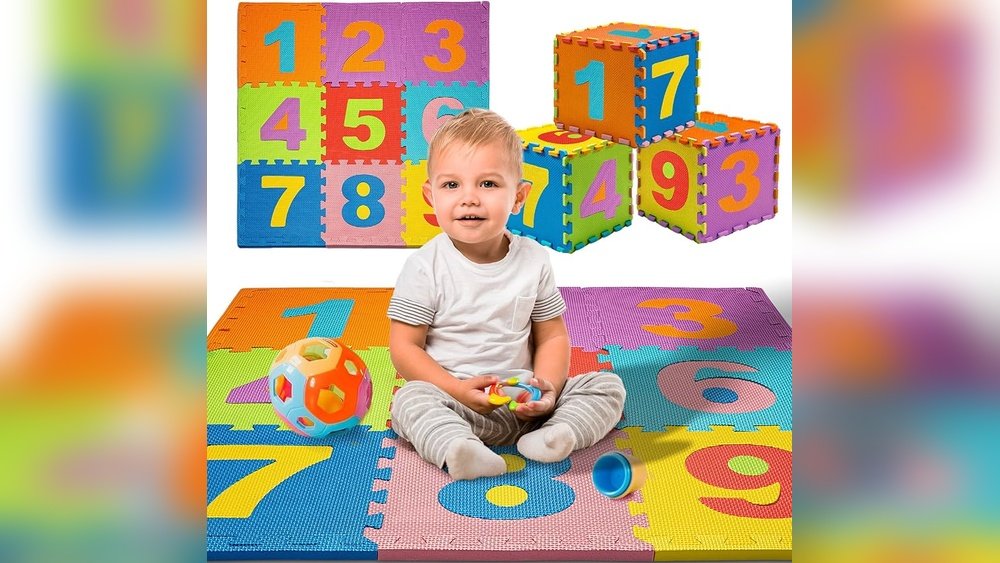
Pick a surface that is soft and clean. Avoid hard floors like tiles or wood without padding. Carpet or foam mats work best to cushion the baby’s body. The surface should be free of small objects or dirt. This prevents choking hazards and keeps the area hygienic.
Essential Floor Play Gear
Gather simple items to support play and safety. A soft play mat or blanket provides comfort. Use age-appropriate toys that stimulate senses without sharp edges. Mirrors or soft blocks encourage reaching and grasping. Keep all gear clean and checked for damage.
Creating A Comfortable Space
Make sure the room is warm and well-lit. Avoid direct sunlight or cold drafts. Keep the area quiet to help the baby focus. Allow enough space for movement and rolling. Always supervise your baby during floor play sessions.
Simple Floor Exercises
Simple floor exercises help newborns grow strong and healthy. These activities support muscle development and coordination. They also encourage babies to explore their movements safely. Parents can do these exercises at home with little effort.
Tummy Time Techniques
Tummy time is essential for newborns. It strengthens neck and shoulder muscles. Place your baby on their stomach on a soft blanket. Stay close and encourage them to lift their head. Use toys or your face to catch their attention. Start with short sessions and increase time gradually.
Gentle Leg Bicycles
Leg bicycles help improve leg muscles and circulation. Lay your baby on their back. Hold their legs gently and move them in a cycling motion. Move slowly to avoid strain. This exercise helps with digestion and joint flexibility. Repeat a few times in a day for best results.
Arm Movements And Reaches
Arm movements build upper body strength. While your baby lies on their back, encourage them to reach for toys. Gently move their arms up and down or side to side. This helps improve coordination and muscle tone. Keep the movements soft and playful to keep your baby happy.
Stimulating Sensory Play
Stimulating sensory play helps newborns learn about their world. It supports brain growth and strengthens their senses. Early sensory activities can improve focus, coordination, and calmness. Simple exercises on the floor offer safe ways to explore sight, touch, and sound. These moments build a strong foundation for future learning and development.
Visual Tracking Activities
Visual tracking helps babies follow moving objects with their eyes. Use colorful toys or soft balls to catch their attention. Slowly move the toy from side to side. Keep the object about 8 to 12 inches from their face. This encourages eye movement and focus. Bright colors and simple patterns work best for newborns.
Touch And Texture Exploration
Newborns learn a lot through touch. Offer soft blankets, gentle fabrics, or textured toys. Let them feel different surfaces with their hands and feet. Always supervise to keep objects safe and clean. This helps babies notice new sensations and develop fine motor skills. Vary textures to keep their interest alive.
Sound And Music Interaction
Sounds capture a baby’s attention and soothe them. Play soft music or gentle lullabies during floor time. Use rattles or bells to introduce different noises. Sing simple songs with clear, slow words. These sounds help babies recognize voices and rhythms. Keep volume low to protect sensitive ears.
Timing And Duration Tips
Timing and duration play a big role in newborn floor play exercises. Short sessions help babies stay happy and engaged. It is best to start with brief periods and then adjust based on the baby’s response. Paying attention to the right moments and cues makes playtime more effective and fun.
Optimal Play Sessions
Start with 2 to 5 minutes of floor play. Repeat this two or three times a day. Keep the environment calm and quiet. Too long sessions can tire your newborn quickly. Short, frequent sessions support their growing muscles well.
Recognizing Baby’s Cues
Watch for signs like smiling, cooing, or moving arms. These show your baby enjoys the activity. If your baby turns away or cries, it means they need a break. Following your baby’s signals helps keep playtime positive and safe.
Balancing Rest And Activity
Newborns need lots of rest between play sessions. Rest helps their brain and body grow strong. After playing, offer quiet time or a nap. This balance ensures your baby stays healthy and happy during floor play.
Common Mistakes To Avoid
Floor play exercises help newborns grow strong and learn new skills. Parents often want to do as much as possible. This can cause mistakes that slow progress or cause harm. Knowing what to avoid makes floor time safe and fun.
Overdoing Floor Time
Newborns need short, gentle sessions. Too much floor time tires them out quickly. It can cause fussiness or stress. Watch for signs of tiredness. Let your baby rest and try again later.
Ignoring Safety Precautions
Always check the play area for hazards. Sharp edges, small objects, or hard floors can hurt babies. Use a soft mat or blanket. Stay close to prevent falls or choking. Safety is the top priority during floor play.
Using Inappropriate Toys
Choose toys that are safe and suitable for newborns. Avoid small parts that can choke. Pick soft, colorful toys that encourage touch and sight. Wrong toys can cause frustration or injury. Right toys make floor time enjoyable and helpful.
When To Consult Professionals
Knowing when to consult professionals about your newborn’s floor play exercises is very important. Early help can support your baby’s growth and health. Trust your instincts and watch your baby’s progress carefully.
Signs Of Developmental Delays
Watch for signs like limited movement or weak muscle tone. Babies should start lifting their heads during tummy time. If your newborn does not respond to sounds or visual stimuli, take note. Delays in reaching milestones might need expert evaluation. Early signs help doctors understand your baby’s needs.
Seeking Pediatric Advice
Talk to your pediatrician if you notice any concerns. They can check your baby’s overall health and development. The doctor may suggest tests or refer you to specialists. Regular check-ups are key to tracking your baby’s progress. Don’t wait if something feels wrong.
Working With Therapists
Therapists like physical or occupational experts guide safe exercises. They create plans to improve your baby’s strength and coordination. Therapists teach parents how to support development at home. Their help can make floor play safe and effective. Early therapy can boost your baby’s growth and confidence.

Frequently Asked Questions
What Are The Best Floor Play Exercises For Newborns?
Tummy time is ideal for newborn floor play. It strengthens neck and shoulder muscles. Gentle reaching and grasping toys also help develop motor skills. These activities promote sensory development and encourage early movement in a safe environment.
How Long Should A Newborn Do Floor Play Daily?
Start with 2-3 minutes of floor play several times daily. Gradually increase to 15-20 minutes as the baby grows. Consistency helps build muscle strength and coordination. Always supervise to ensure safety during floor play sessions.
When Can Newborns Start Tummy Time Exercises?
Newborns can start tummy time soon after birth. Begin with short periods of 1-2 minutes multiple times daily. This helps prevent flat head syndrome and promotes motor development. Increase duration as the baby becomes comfortable and stronger.
Are Floor Play Exercises Safe For All Newborns?
Floor play is safe for most healthy newborns. Consult a pediatrician if your baby has medical concerns. Always use a clean, flat, and soft surface. Never leave a newborn unattended during floor play activities.
Conclusion
Floor play helps newborns grow strong and learn new skills. Gentle exercises build muscles and improve movement. Simple activities like tummy time and reaching for toys work well. These moments also create a bond between baby and parent. Keep sessions short and fun to hold the baby’s interest.
Always watch your baby closely for comfort and safety. Starting early with floor play sets a good foundation for future learning. Enjoy these special times and celebrate every small progress.


