Thawing breast milk safely is one of the most important steps in feeding your baby. You want to make sure your little one gets all the nutrients without any risk.
But how do you do it right? If you’ve ever felt unsure about the best way to thaw breast milk, you’re not alone. This guide will help you unlock simple, safe methods that protect your milk’s quality and keep your baby healthy.
Keep reading to discover easy tips you can trust every time.
Why Proper Thawing Matters
Thawing breast milk properly keeps your baby safe and healthy. It preserves nutrients and prevents bacteria growth. Poor thawing can destroy vital vitamins and proteins. This affects your baby’s growth and immunity. Safe thawing also keeps the milk fresh and tasty.
Preserves Nutrients And Antibodies
Breast milk contains important nutrients and antibodies. These help your baby fight sickness. Thawing milk slowly keeps these benefits intact. Fast or improper thawing can break down these good parts. Your baby gets less protection and nutrition.
Prevents Bacterial Growth
Breast milk can grow bacteria if thawed wrong. Bacteria can cause stomach problems and infections. Thawing milk in the fridge stops bacteria from growing. Avoid thawing milk at room temperature or warm water. This keeps the milk safe for your baby.
Maintains Milk Quality And Taste
Proper thawing keeps the milk’s smooth texture and taste. Bad thawing can cause milk to smell or taste strange. Babies may refuse milk that tastes different. Safe thawing helps your baby accept the milk easily.

Safe Thawing Methods
Thawing breast milk safely is important to keep it fresh and healthy for your baby. Using the right methods helps keep the milk’s nutrients and avoids bacteria growth. Choose a gentle way to thaw the milk slowly and evenly. Quick or harsh methods can damage the milk’s quality.
Refrigerator Thawing
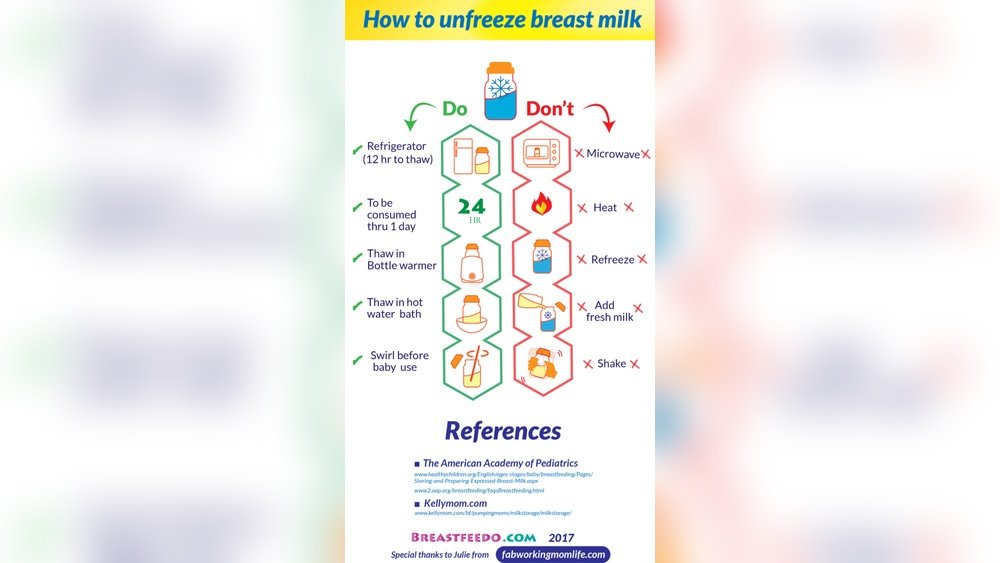
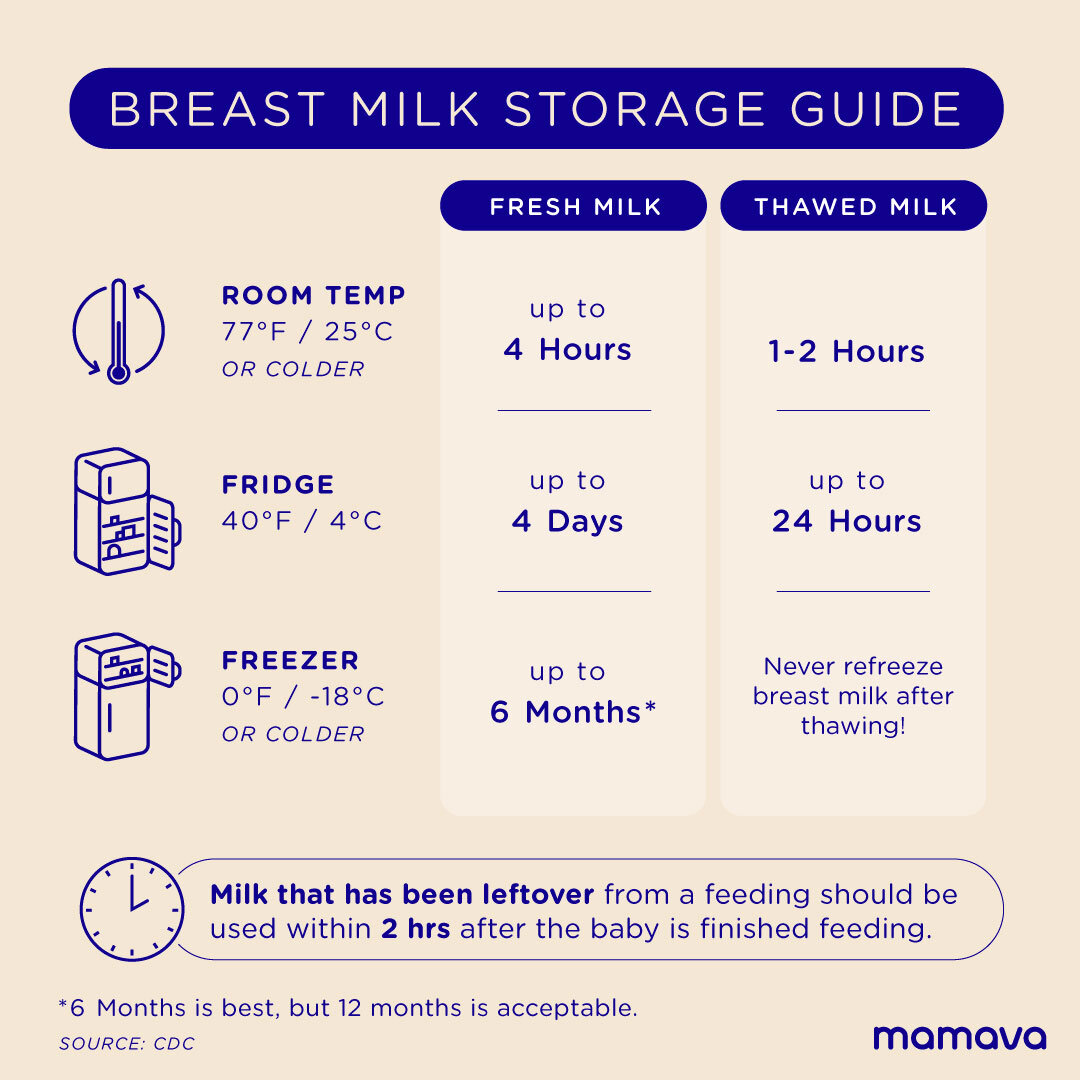
Place frozen breast milk in the refrigerator for 12 to 24 hours. This slow thawing keeps the milk cold and safe. It helps keep the nutrients intact and avoids hot spots. Use the milk within 24 hours after it thaws in the fridge.
Cold Water Thawing
Put the sealed milk container in a bowl of cold water. Change the water every 30 minutes to keep it cold. This method thaws the milk faster than the fridge but still stays safe. Use the milk right after it is thawed with cold water.
Avoiding Microwave Thawing
Do not use a microwave to thaw breast milk. Microwaves heat unevenly and can create hot spots. These hot spots can burn your baby’s mouth. Microwaving can also damage important nutrients in the milk. Stick to fridge or cold water methods for safe thawing.
Timing And Storage Guidelines
Knowing the right timing and storage rules helps keep thawed breast milk safe and fresh. Proper handling stops bacteria growth and keeps nutrients intact. Follow clear guidelines to use milk safely for your baby.
Thawing Time Limits
Thaw frozen breast milk in the fridge. This process takes about 12 hours. Use the milk within 24 hours after it fully thaws. Avoid thawing milk at room temperature more than two hours. Quick thawing in warm water is okay but do not use hot water.
Using Thawed Milk
Once thawed, swirl milk gently to mix. Do not shake hard; it can break nutrients. Use the milk within 24 hours if kept in the fridge. Do not leave thawed milk out at room temperature longer than two hours. Always smell and check milk before feeding your baby.
Refreezing Rules
Do not refreeze breast milk once it is thawed. Refreezing can harm milk quality and safety. Use thawed milk within the given time or discard it. Always freeze milk in small portions to avoid waste. Proper storage helps keep milk fresh and safe for your baby.
Maintaining Milk Quality
Maintaining the quality of breast milk during thawing is very important. Proper care keeps the milk nutritious and safe for your baby. Poor handling can reduce vitamins and damage good fats in the milk. Follow simple steps to keep milk fresh and healthy.
Gentle Handling Tips
Thaw breast milk slowly. Use the refrigerator or warm water. Avoid microwaves or boiling water. Shake the milk gently to mix the layers. Do not stir hard or shake fast. Pour the milk into a clean bottle after thawing. Use the milk within 24 hours for best freshness.
Avoiding Contamination
Wash your hands before handling milk. Use clean containers and utensils. Keep all equipment sanitized. Avoid touching the inside of the bottle or lid. Store thawed milk in a closed container. Do not refreeze thawed milk. Throw away any milk left after feeding.
Recognizing Spoiled Milk
Thawing breast milk is important for feeding your baby safely. Sometimes milk can spoil during thawing. Knowing how to recognize spoiled milk helps keep your baby healthy. Watch for clear signs before using thawed milk. This prevents feeding your baby milk that may cause illness.
Signs To Watch For
Smell the milk first. Spoiled milk has a sour or rancid smell. Fresh milk smells mild or sweet.
Look at the milk’s color. Spoiled milk may look yellow, gray, or have chunks. Fresh milk is usually white or creamy.
Notice the texture. If the milk is curdled or thick, it may be spoiled. Fresh milk is smooth and flows easily.
When To Discard
Throw away thawed milk if it smells bad. Do not taste it to check.
Discard milk that has been thawed for more than 24 hours in the fridge. Bacteria grow quickly after this time.
Never refreeze thawed milk. This raises the risk of spoilage and bacteria growth.
Tips For Busy Moms
Thawing breast milk can be tricky for busy moms. Finding time to prepare milk safely is important. These tips help save time and keep milk fresh. They make feeding easier and stress less.
Using simple steps helps avoid waste. It also keeps your baby healthy and happy. Let’s explore some easy ways to manage thawing breast milk.
Planning Ahead
Take time to plan your milk use. Move milk from the freezer to the fridge a day before. This slow thawing keeps nutrients safe. Prepare milk in small amounts for each feeding. It saves time and reduces waste. Label milk with the date to track freshness. Planning ahead means less rushing during feeding time.
Using Milk Efficiently
Use only what your baby drinks. Avoid refreezing thawed milk. Warm milk gently under warm water. Test temperature before feeding. Pour leftover milk into a clean container for later use within 24 hours. Store milk in small bottles to prevent waste. Efficient use means milk lasts longer and stays safe.
:max_bytes(150000):strip_icc()/how-to-defrost-breast-milk-431752-0e4c6b861bad43db9e17848ab8e8b6fe.png)
Frequently Asked Questions
How Do I Thaw Breast Milk Safely?
Thaw breast milk by placing it in the refrigerator overnight. Avoid using a microwave or hot water, as they can damage nutrients. Gently swirl the milk to mix before feeding.
Can I Thaw Breast Milk At Room Temperature?
Yes, you can thaw breast milk at room temperature within 2 hours. Use it immediately afterward to prevent bacterial growth. For longer storage, thaw in the refrigerator.
How Long Can Thawed Breast Milk Be Stored?
Thawed breast milk can be stored in the refrigerator for up to 24 hours. Do not refreeze thawed milk. Always check for odor or appearance changes before use.
Is It Safe To Microwave Thaw Breast Milk?
No, microwaving breast milk is unsafe. It creates hot spots that can burn your baby’s mouth and destroys important nutrients. Use warm water to gently heat the milk instead.
Conclusion
Thawing breast milk safely protects your baby’s health. Use cold water or fridge thawing methods. Avoid microwaving to keep nutrients intact. Always check milk temperature before feeding. Use thawed milk within 24 hours for freshness. Safe handling reduces risks of bacteria growth.
Follow these tips to give your baby the best. Keep your baby happy and healthy with proper care. Simple steps make feeding easier and safer every day.