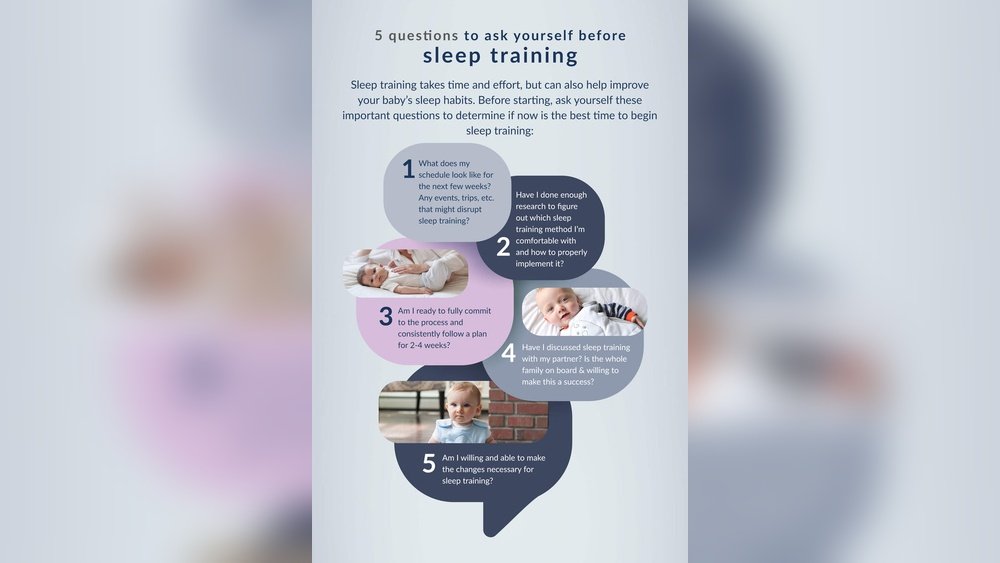
Are sleepless nights leaving you exhausted and overwhelmed? You’re not alone.
When your newborn struggles to settle down, it can feel like there’s no end in sight. But what if you could help your baby sleep better—without stress or tears? Understanding the right sleep training techniques can make all the difference for both you and your little one.
You’ll discover simple, effective methods that fit your family’s needs and bring peaceful nights back into your home. Keep reading, because restful sleep is closer than you think.
Benefits Of Sleep Training
Sleep training helps babies learn how to fall asleep on their own. It creates a healthy sleep routine. Parents and babies both gain many benefits from this process. Better sleep leads to happier days and calmer nights. Here are some key benefits of sleep training for newborns.
Improved Sleep Quality
Babies who sleep training tend to have longer and deeper sleep. They wake up less during the night. This helps their bodies rest and recover better. Consistent sleep patterns help babies feel more refreshed. Better sleep quality supports overall health and mood.
Enhanced Baby Development
Good sleep is important for brain growth and learning. Sleep training helps babies get enough rest to support these processes. It also aids physical growth and immune system strength. Babies with regular sleep routines often reach milestones on time. Healthy sleep promotes steady development in many areas.
Reduced Parental Stress
Parents feel less tired and overwhelmed with sleep training. A well-rested baby means less crying and fussiness. Parents can relax knowing their baby sleeps soundly. This reduces anxiety and improves family harmony. Sleep training helps parents regain energy and patience.
Signs Your Newborn Is Ready
Knowing when your newborn is ready for sleep training is important. Starting too early can cause stress for both baby and parents. Watch for clear signs that show your little one can handle the change. These signals help you decide the right time to begin sleep training gently and successfully.
Age Considerations
Most babies show readiness around 4 to 6 months old. Before this, newborns need frequent feedings and comfort. Their brains are still developing sleep cycles. Waiting until they reach this age helps them learn to sleep longer on their own. Every baby grows at a different pace. Use age as a basic guideline, not a strict rule.
Sleep Pattern Indicators
Look for longer sleep stretches at night. Your baby might sleep 4 to 6 hours without waking. Short naps during the day also signal readiness. If your newborn wakes often and cries for hours, it may be too soon. Consistent sleep patterns show they can adjust to new routines. These signs make sleep training easier and less stressful.
Baby’s Temperament
Some babies handle changes calmly. They show less fussing and cry less. Others are more sensitive and need extra time. A calm baby adapts faster to sleep training methods. Watch how your newborn reacts to small changes in routine. Gentle responses mean they are ready. Patience is key for babies with a sensitive temperament.
Popular Sleep Training Methods
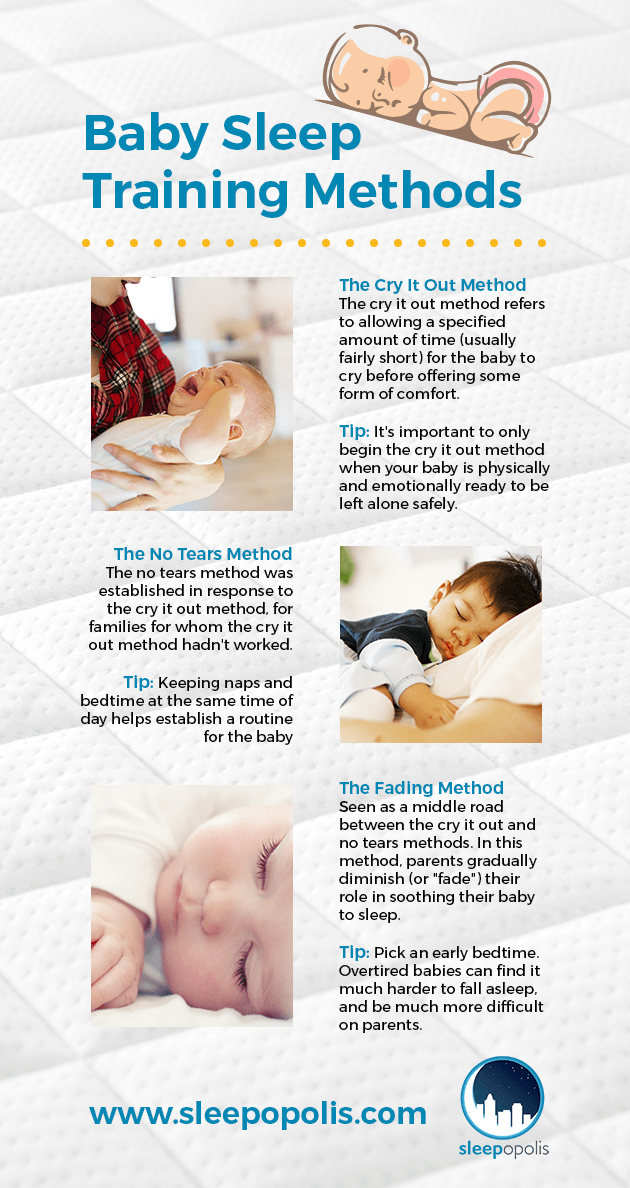
New parents often wonder how to help their newborn sleep better. Sleep training can guide babies to develop good sleep habits. Various popular methods exist, each with its own approach. Understanding these methods can help parents choose the best fit for their family.
Cry It Out
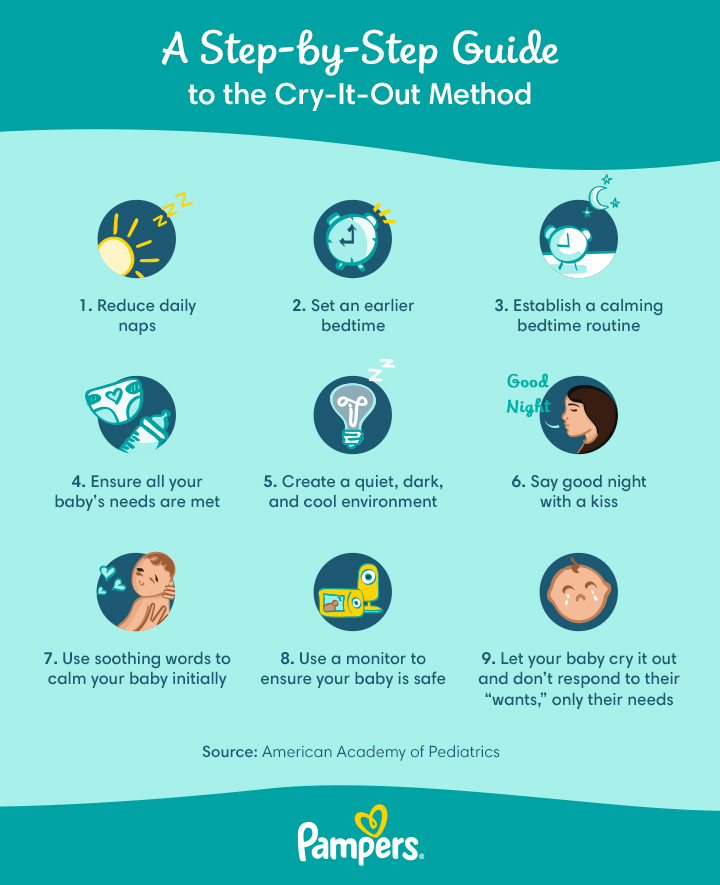
This method lets babies learn to fall asleep alone. Parents put the baby to bed awake. They then leave the room and do not return until morning or scheduled feeding times. The baby might cry, but this teaches self-soothing. It can be hard for parents but often works quickly.
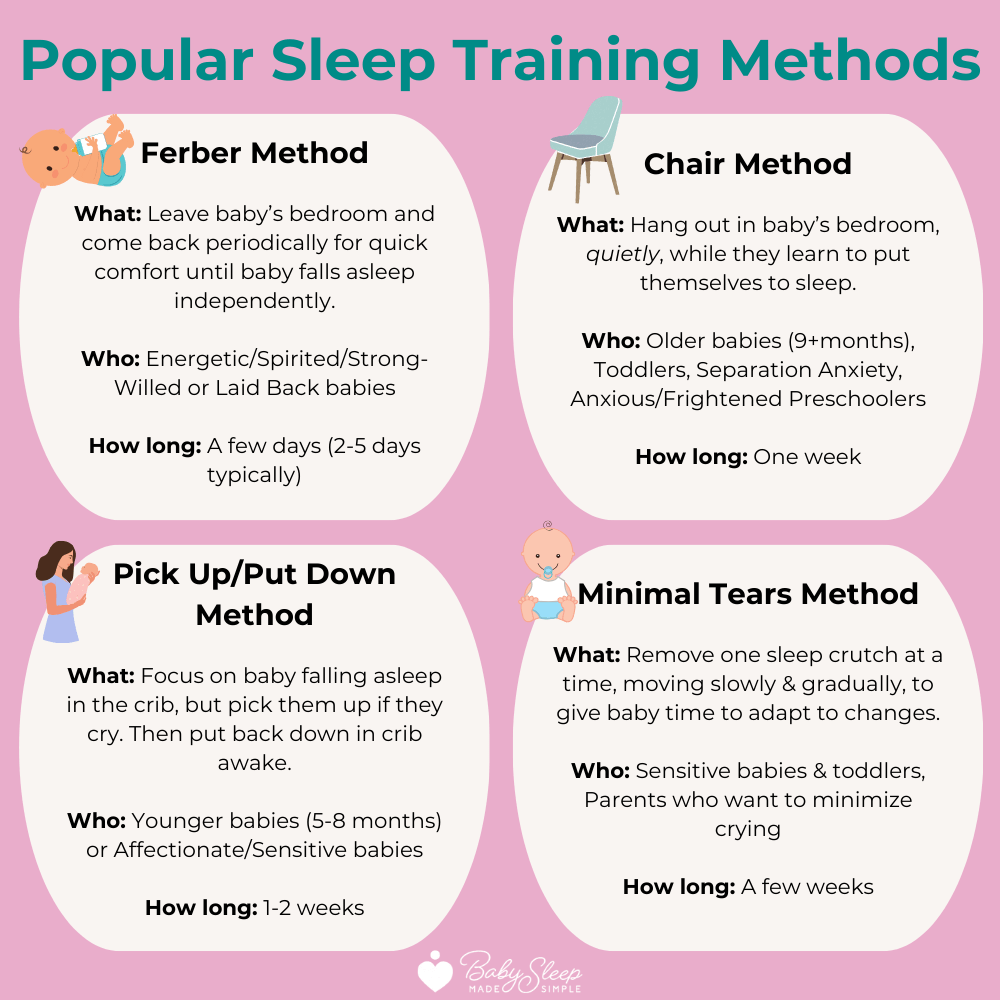
Ferber Method
The Ferber Method uses timed check-ins. Parents put the baby to bed while awake. They leave and return at increasing intervals to comfort the baby without picking them up. This helps the baby learn to sleep alone gradually. It balances comfort and independence.
Chair Method
Parents sit near the baby’s crib without picking them up. Over days, they move the chair farther away from the crib. This gives comfort while encouraging the baby to fall asleep alone. It is slower but gentle and helps reduce crying.
No Tears Approach
This method avoids leaving the baby to cry alone. Parents soothe the baby until they fall asleep. They use rocking, nursing, or gentle pats. It takes patience and time but feels natural for many families. It builds trust and security.
Creating A Sleep-friendly Environment
Creating a sleep-friendly environment helps newborns settle and sleep better. A calm, quiet space makes them feel safe and relaxed. Small changes in the room can improve their sleep quality.
Room Temperature And Lighting
Keep the room temperature between 68 and 72 degrees Fahrenheit. This range is comfortable for most newborns. Avoid overheating, as it raises the risk of sudden infant death syndrome (SIDS). Use soft, dim lighting during bedtime. Bright lights can disturb their natural sleep cycle. Try blackout curtains to block outside light during naps.
White Noise Benefits
White noise mimics sounds babies heard in the womb. It helps mask household noises that may wake them up. Use a white noise machine or app at low volume. Continuous, gentle sounds calm babies and promote longer sleep. Avoid sudden loud noises that startle newborns.
Safe Sleeping Practices
Always place your baby on their back to sleep. This position reduces the risk of SIDS. Use a firm mattress with a fitted sheet only. Remove pillows, blankets, and toys from the crib. Keep the crib free of loose items to prevent suffocation. Dress your baby in light sleepwear to avoid overheating.
Establishing A Bedtime Routine
Establishing a bedtime routine helps newborns feel safe and ready for sleep. A clear routine signals that it is time to rest. This makes falling asleep easier and reduces fussiness. Starting early builds good sleep habits that last long. Consistency is key in creating a calming environment for your baby.
Consistent Timing
Put your baby to bed at the same time every night. This helps their body clock adjust. A regular sleep schedule supports better and longer sleep. Avoid changing bedtime by more than 30 minutes. Predictable timing makes it easier for babies to fall asleep.
Soothing Activities
Include gentle activities before sleep to calm your newborn. Soft singing or reading a simple story works well. A warm bath can relax your baby’s muscles. These actions create a peaceful mood before bedtime. Stick to the same calming steps each night.
Avoiding Stimulation
Keep the environment quiet and dim before sleep. Turn off bright lights and loud noises. Avoid active play or screen time close to bedtime. Too much excitement can make falling asleep harder. A calm setting helps your baby settle quickly.
Handling Common Challenges
Handling common challenges during newborn sleep training can feel tough. Many parents face similar issues. Understanding these challenges helps you stay calm and consistent. Each problem has simple ways to manage it effectively.
Night Wakings
Newborns often wake up several times at night. This is normal for their age. Respond calmly and gently to soothe your baby. Avoid picking them up immediately. Try quiet pats or soft shushing sounds. This helps babies learn to fall back asleep on their own.
Feeding And Sleep
Feeding times and sleep schedules often overlap for newborns. Keep night feedings calm and quiet. Use dim lights and soft voices. Avoid stimulating activities after feeding. This signals to your baby that it is still time for sleep.
Dealing With Separation Anxiety
Babies may cry when you leave the room. This is a sign of healthy attachment. Comfort your baby with a soft voice or gentle touch. Keep separations short at first. Gradually increase time apart to build trust and security.
Tips For Parents’ Well-being
Caring for a newborn and teaching sleep skills can be tough. Parents often forget to care for themselves. This section shares simple tips to keep parents healthy and strong. A well-rested parent helps the baby more.
Small changes in daily habits make a big difference. These tips focus on managing feelings, resting well, and finding help. Parents feel better and handle sleep training with less stress.
Managing Expectations
Newborns need time to learn sleep patterns. Sleep training is a slow process. Expect ups and downs. Some nights will be better than others. Patience is key. Don’t expect perfect results right away. Every baby is different. Celebrate small wins. Avoid comparing your baby to others. Realistic goals reduce frustration. Remember, rest is a journey, not a race.
Self-care Strategies
Take short breaks when possible. Even five minutes of deep breathing helps. Drink enough water and eat balanced meals. Try light exercise like walking. Avoid caffeine late in the day. Create a relaxing bedtime routine for yourself. Limit screen time before sleeping. Try to nap when your baby naps. Sleep and rest boost energy. Small self-care acts improve mood and focus.
Seeking Support
Ask family or friends for help. Sharing tasks eases pressure. Join parent groups to share feelings. Talking with others reduces loneliness. Consult a doctor or sleep coach if needed. Professional advice brings clarity. Don’t hesitate to seek emotional support. A strong support system helps parents stay calm. Remember, asking for help is a sign of strength.
Frequently Asked Questions
What Is The Best Age To Start Sleep Training Newborns?
The best age to start sleep training is around 4 to 6 months. At this stage, babies develop more consistent sleep patterns and can self-soothe better. Starting too early may not be effective and could disrupt natural sleep cycles.
Which Sleep Training Technique Suits Newborns Best?
Gentle methods like the “no tears” or “gradual extinction” techniques suit newborns best. These approaches focus on comforting the baby and slowly encouraging independent sleep. They reduce stress for both baby and parents while promoting healthy sleep habits.
How Long Does Newborn Sleep Training Usually Take?
Newborn sleep training typically takes 1 to 3 weeks. Consistency and patience are key during this period. Gradual improvements in sleep duration and self-soothing skills are common as the baby adapts to new routines.
Can Sleep Training Affect Newborn’s Feeding Schedule?
Proper sleep training respects the newborn’s feeding needs. Night feedings should continue as required without rushing. Sleep training focuses on sleep patterns, not feeding frequency, ensuring the baby’s growth and nutrition remain priorities.
Conclusion
Sleep training helps newborns develop healthy sleep habits. Consistency and patience are key to success. Choose a method that fits your family’s needs. Remember, each baby is unique and may take time. Trust yourself and stay calm during the process.
Good sleep benefits both baby and parents alike. Keep trying, and progress will come step by step. Restful nights are possible with gentle care and routine.


