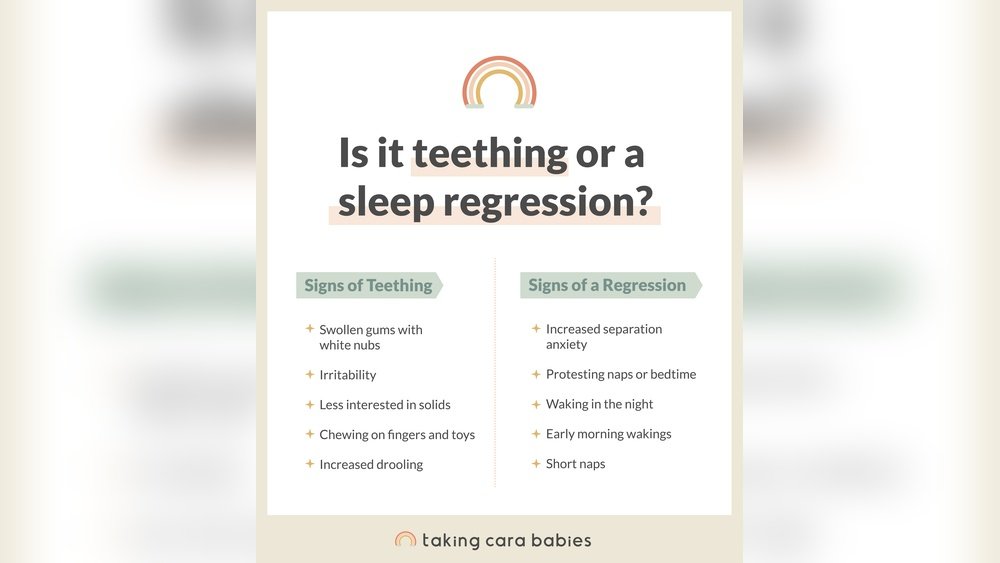
Are you noticing sudden changes in your newborn’s sleep patterns? You might be facing newborn sleep regression.
It can feel confusing and exhausting when your little one, who used to sleep peacefully, starts waking up more often or struggles to fall asleep. Understanding the signs of newborn sleep regression can help you stay calm and find the best ways to support your baby — and yourself.
Keep reading to discover the key signs to watch for and how to handle this challenging phase with confidence.
Common Sleep Changes
Newborn sleep regression often brings noticeable changes in sleep patterns. Parents may see shifts that feel sudden or confusing. These changes affect both night sleep and daytime naps. Understanding these common sleep changes can help you respond calmly and support your baby better.
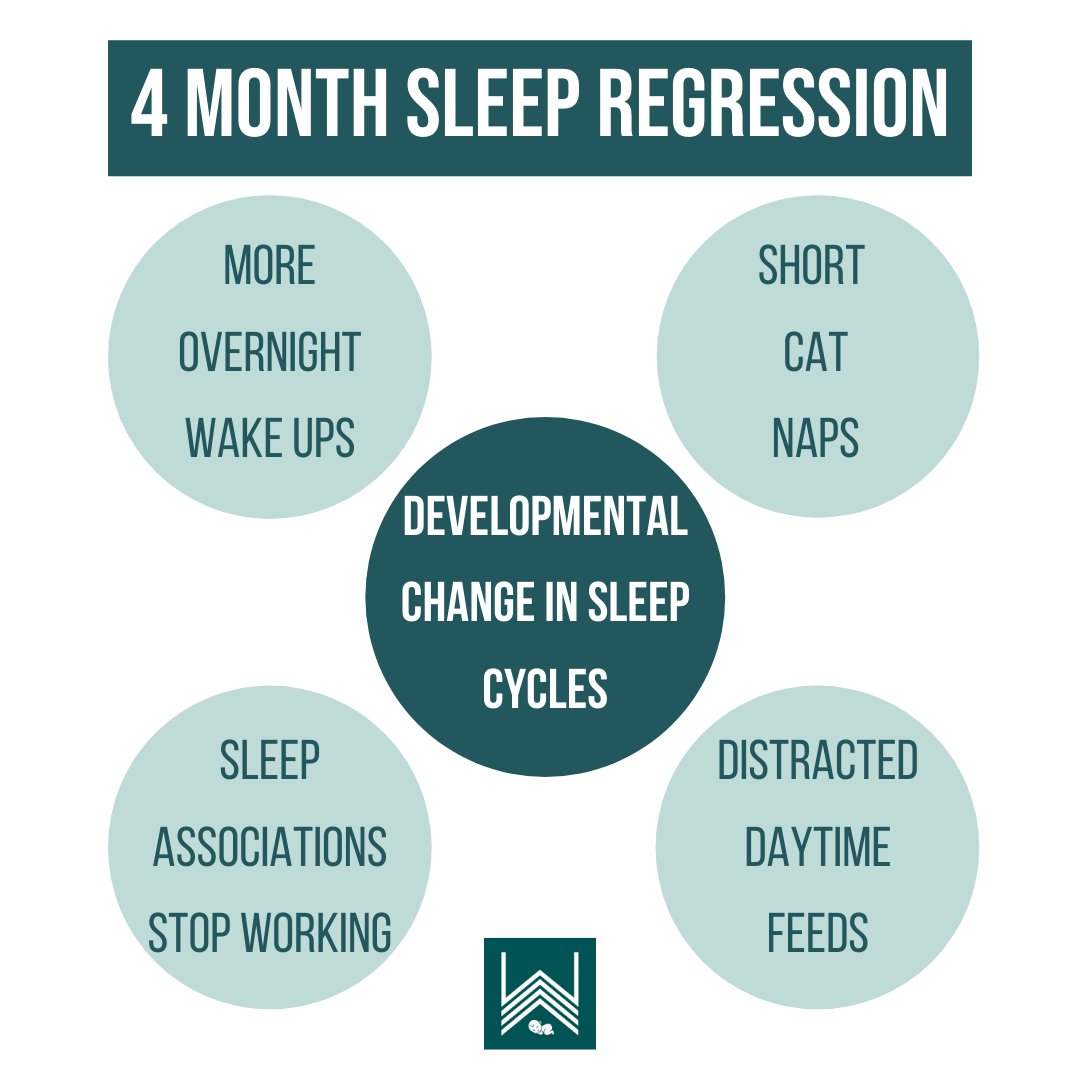
Frequent Night Wakings
Babies may wake up more often during the night. These wakings can disrupt the whole family’s rest. Your baby might cry or seem restless. Night feedings may become more frequent too. This is a typical sign of sleep regression.
Shorter Naps
Naps may become shorter than usual. Your baby might wake up after only 20 or 30 minutes. This leaves them tired but unable to sleep longer. Short naps can make the baby cranky or fussy. Expect this change during sleep regression phases.
Difficulty Falling Asleep
Falling asleep may take longer than before. Your baby might resist going to bed or seem unsettled. They may need more soothing or rocking. Bedtime routines might feel less effective. This difficulty is common during sleep regression.
Behavioral Indicators
Newborn sleep regression brings notable changes in baby behavior. These changes often signal the start of sleep disruptions. Watching for these signs helps parents understand their baby’s needs better. Behavioral indicators are clear signals that your newborn is going through sleep regression.
Increased Fussiness
Your baby may become more irritable than usual. Small things might upset them quickly. Fussiness often rises before naps and bedtime. This happens because babies feel tired but struggle to fall asleep. Expect more crying and restlessness during these times.
Clinginess And Crying
Babies may seek more comfort from parents. They might cry when left alone or put down. Clinginess shows they want extra reassurance and closeness. This need for comfort can make bedtime harder. Parents may notice their baby wanting to be held more often.
Changes In Feeding Patterns
Feeding habits may shift during sleep regression. Some babies feed more often or seem hungrier. Others might eat less or become fussy while feeding. These changes relate to growth and tiredness. Watching feeding cues helps keep your baby calm and nourished.
Physical Signs
Physical signs reveal much about a newborn’s sleep regression. Parents often notice changes in how their baby moves and rests. These signs show the baby’s struggle to settle and sleep well. Understanding these signs helps parents respond with care and patience.
Restlessness And Tossing
Babies may move a lot during sleep. They toss and turn more than usual. This restlessness can wake them up often. It shows their sleep cycle is not stable. Parents might see arms and legs flailing or frequent changes in position.
Eye Rubbing And Yawning
Rubbing eyes is a clear sign of tiredness. Yawning often follows eye rubbing. These actions show the baby feels sleepy but cannot fall asleep. They try to fight tiredness but struggle to relax. These signs often appear before or during sleep regression.
Delayed Motor Skills
Sleep regression can affect motor development temporarily. Babies might seem slower to reach new skills. Crawling, rolling, or sitting may take longer. This delay happens because sleep affects brain growth. Rest is crucial for learning new movements.

Timing And Duration
Newborn sleep regression can feel sudden and confusing. Understanding its timing and duration helps parents prepare. Knowing when it starts and how long it lasts makes the process less stressful. Sleep patterns may change in clear ways, signaling a regression phase.
Typical Age Range
Sleep regression often begins between 4 and 6 months. Some babies show signs as early as 3 months. Others might start closer to 8 months. Each child is different, but many follow a similar timeline. This phase matches big changes in the baby’s brain and body.
How Long It Lasts
Most sleep regressions last about 2 to 6 weeks. Some may be shorter, while others take longer. The length depends on the baby’s temperament and environment. Consistent sleep routines help shorten this period. Patience is key during this time.
Patterns In Sleep Regression
Sleep regression often causes frequent waking at night. Babies may also resist naps or have shorter sleep sessions. Increased fussiness and clinginess are common signs. These patterns reflect the baby’s growing mind and body. Recognizing them helps parents respond with care and support.
Causes Behind Regression
Newborn sleep regression happens for different reasons. It can confuse parents and make nights hard. Understanding why it occurs helps to handle it better.
Many factors cause a baby to sleep poorly for a while. These causes often relate to changes in the baby’s body and surroundings. Knowing these reasons can ease the stress of sleepless nights.
Developmental Milestones
Babies reach new skills fast. Crawling, standing, or even new sounds can wake them. Their brains work hard to learn. This focus can disrupt sleep patterns temporarily.
As they practice new skills, babies may need less sleep or wake often. This is a normal part of growth, not a problem to worry about.
Growth Spurts
Growth spurts cause babies to need more food. They may wake up hungry more often. This can break their usual sleep cycle.
During these times, babies might be fussier and find it hard to settle down. Their bodies use energy for growing, not sleeping.
Environmental Changes
Changes in the baby’s surroundings can affect sleep. New noises, lights, or even a different room can cause unrest. Babies feel safer with familiar settings.
Travel, visitors, or changes in routine can also lead to sleep regression. It takes time for babies to adjust to new environments.
Parental Tips
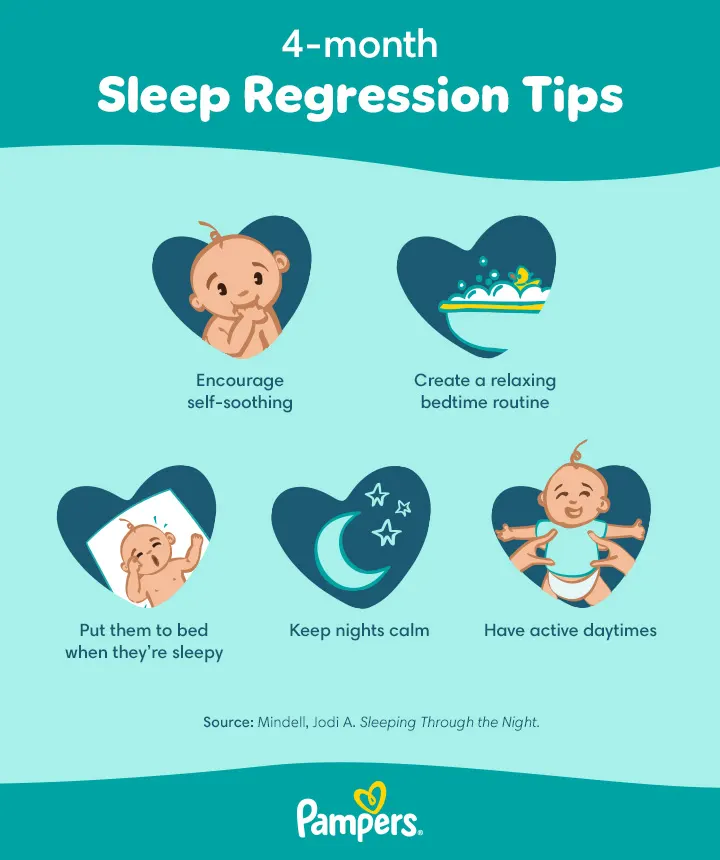
Newborn sleep regression can be tough for parents. It disrupts your baby’s sleep and your rest too. Simple steps help ease this phase. Consistency and calmness matter most.
Consistent Bedtime Routines
Set the same bedtime every night. Babies find comfort in routine. A warm bath, gentle massage, and a quiet story help. Keep lights dim and noise low. This signals sleep time and calms your baby.
Soothing Techniques
Use soft rocking or gentle pats to soothe your baby. Singing a lullaby or playing white noise can help. Avoid bright screens or loud sounds near bedtime. Swaddling may comfort some newborns. Watch your baby’s cues and adjust soothing methods.
When To Seek Help
Seek help if sleep problems last over two weeks. If your baby cries nonstop or shows signs of illness, contact a doctor. Trust your instincts about your baby’s health. Professional advice gives peace of mind and support.
Frequently Asked Questions
What Are Common Signs Of Newborn Sleep Regression?
Newborn sleep regression signs include frequent waking, fussiness, and difficulty falling asleep. Babies may also nap less and seem more irritable during this phase.
How Long Does Newborn Sleep Regression Typically Last?
Newborn sleep regression usually lasts between 2 to 6 weeks. Duration varies depending on the baby’s development and sleep patterns.
When Does Newborn Sleep Regression Usually Begin?
Newborn sleep regression often starts around 4 months of age. This is a key developmental stage affecting sleep cycles and behavior.
How Can Parents Soothe A Baby During Sleep Regression?
Parents can soothe their baby by maintaining a consistent bedtime routine, offering comfort, and ensuring a calm sleep environment. Patience is essential.
Conclusion
Newborn sleep regression can feel tough for parents. Babies may wake more and cry often. This phase does not last forever. Patience and gentle care help a lot. Keep routines steady and calm your baby. Trust that better sleep will come soon.
Understanding these signs helps you stay prepared. Every baby grows and changes at their pace. Remember, you are not alone in this journey. Small steps lead to peaceful nights ahead.


