If you’re a new parent, you’ve probably noticed how often your newborn spits up. It can be messy, worrying, and sometimes frustrating.
But what if you could reduce those spit-ups and make feeding time calmer for both you and your baby? You’ll discover simple, effective ways to help your little one keep more milk down and feel more comfortable. Keep reading to learn practical tips that can bring relief and make those first months a bit easier.

Causes Of Spit Up In Newborns
Spit up is common in newborns and usually not a concern. Understanding its causes helps parents manage it better. This section explains the main reasons why newborns spit up.
Immature Digestive System
Newborns have a developing digestive system. Their stomach muscles are weak and do not fully close. This allows milk to flow back up easily. The valve between the stomach and esophagus is still maturing. This immaturity leads to frequent spit up.
Overfeeding
Feeding too much milk at once can cause spit up. The baby’s small stomach can only hold a limited amount. Extra milk pushes against the stomach walls. This pressure makes milk come back up through the esophagus. Feeding smaller amounts more often helps reduce spit up.
Swallowing Air
Babies often swallow air while feeding or crying. The trapped air creates pressure in the stomach. This pressure pushes milk up and out of the mouth. Proper burping after feeding can release the air. This reduces the chances of spit up.
Food Sensitivities
Some babies react to certain foods in breast milk or formula. These reactions can irritate the stomach. The irritation causes discomfort and spit up. Identifying and avoiding these foods can help. Consulting a doctor ensures proper care.
Feeding Techniques To Minimize Spit Up
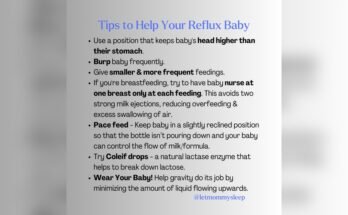
Feeding plays a big role in reducing spit up in newborns. Small changes in how you feed your baby can make a difference. These feeding techniques help the baby swallow less air. Less air means less spit up. Try these simple tips to make feeding easier and more comfortable for your baby.
Proper Bottle Positioning
Hold the bottle at an angle to keep the nipple full of milk. This stops your baby from swallowing air. Keep the bottle tilted so the milk flows steadily. Avoid holding the bottle straight up. Let your baby feed calmly without gulping too fast.
Paced Bottle Feeding
Feed your baby slowly to mimic breastfeeding. Let your baby pause and breathe during feeding. Use a slow-flow nipple to control milk speed. Stop feeding if your baby needs a break. This method reduces air intake and lowers spit up chances.
Breastfeeding Tips
Ensure your baby latches properly to get milk efficiently. Watch for a deep latch to prevent swallowing air. Feed in a calm, quiet space to avoid distractions. Switch sides often to keep feeding balanced. Burp your baby often during and after feeding.
Smaller, Frequent Meals
Feed smaller amounts more often throughout the day. Large meals can overwhelm your baby’s tummy. Frequent feeding helps digestion and reduces spit up. Watch your baby’s hunger cues to find the right schedule. Keep meals gentle and easy to handle.
Burping Methods That Help
Burping your newborn can reduce spit up and make feeding times more comfortable. Proper burping helps release air trapped in your baby’s stomach. This air can cause discomfort and increase spit up. Using the right burping methods can help your baby feel better quickly.
When To Burp
Burp your baby during and after feeding. Try burping after every 2 to 3 ounces if bottle feeding. For breastfeeding, burp when switching breasts. Burping pauses feeding, letting air escape. Watch for signs like fussiness or squirming.
Effective Burping Positions
Hold your baby upright against your chest. Support the head and gently pat the back. Sit your baby on your lap, holding the chin. Lean the baby slightly forward. Lay your baby face down on your lap. Use gentle pats or rubs on the back. Find the position your baby likes best.
Tips For Reluctant Burpers
Try changing burping positions often. Use a soft cloth to protect clothes. Keep burping sessions short and calm. Make sure your hands are warm. Sing or talk softly to soothe your baby. If your baby does not burp after a few minutes, continue feeding and try again later.
Post-feeding Practices
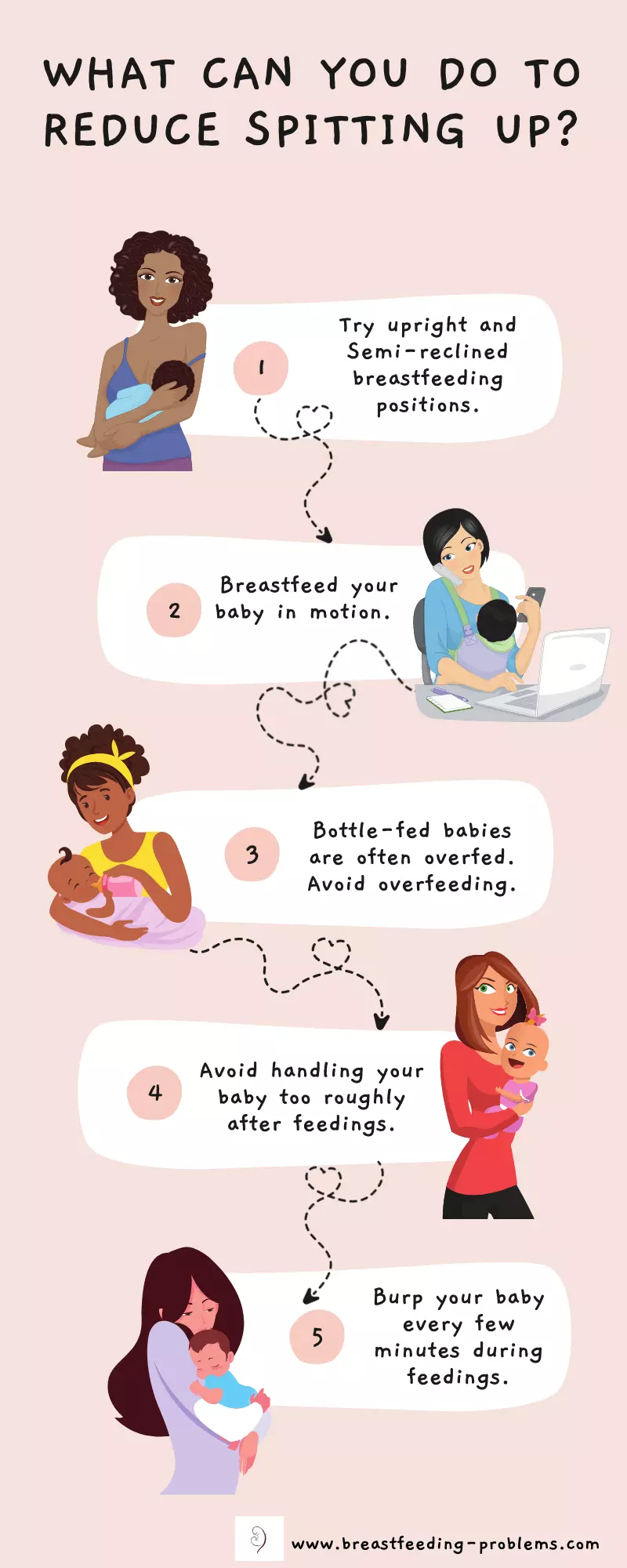
Post-feeding practices play a big role in reducing spit up in newborns. How you hold and care for your baby right after feeding can make a difference. These small habits help your baby’s tummy settle and lower the chance of spit up.
Here are some simple steps to follow after feeding to keep your baby comfortable and calm.
Keeping Baby Upright
Hold your baby upright for 20 to 30 minutes after feeding. This helps food stay down in the stomach. Gravity works to keep the milk where it belongs. Avoid laying your baby flat right after eating. Sitting up slows down spit up and helps digestion.
Avoiding Vigorous Play
Keep play gentle after feeding. Rough movements can shake the tummy and cause spit up. Soft rocking or calm cuddling works best. Too much bouncing or jumping is not good. Quiet time helps your baby digest food calmly.
Safe Sleeping Positions
Place your baby on their back to sleep. This position is safest and helps reduce spit up risk. Use a firm mattress and keep the crib free of pillows or toys. Avoid letting your baby sleep on their stomach or side after feeding. Safe sleep helps your baby breathe easily and stay comfortable.
Environmental And Lifestyle Factors
Environmental and lifestyle factors play a big role in reducing spit up in newborns. A clean, calm space helps babies feel safe and less fussy. Small changes at home can make a big difference in how often your baby spits up.
Reducing Exposure To Smoke
Smoke irritates a baby’s lungs and stomach. Avoid smoking near your baby or inside your home. Even secondhand smoke can cause more spit up. Keep your baby away from places where people smoke. This helps your baby breathe easier and stay calmer.
Managing Allergens
Allergens like dust, pet hair, or strong scents may upset your baby’s tummy. Clean your home regularly to lower dust and pet dander. Use mild soaps and avoid strong perfumes or air fresheners. A cleaner space means fewer chances for your baby to have reflux or spit up.
Stress Reduction For Parents
Babies sense parents’ stress. When parents stay calm, babies feel calm too. Try deep breathing or short breaks to relax. A peaceful environment helps your baby digest milk better. Less stress means less spit up for your little one.

When To Seek Medical Advice
Spitting up is normal for many newborns. Most cases do not need a doctor’s visit. Still, some signs show that medical advice is needed. Knowing when to seek help keeps your baby safe and healthy.
Signs Of Reflux Disease
Some babies have more than simple spit up. Reflux disease may cause pain or irritability. Watch for frequent vomiting, coughing, or choking. A baby who refuses to eat or cries often might have reflux. These signs need a doctor’s check.
Weight And Growth Concerns
Spit up should not stop a baby from growing. If your baby is not gaining weight, call the doctor. Slow growth can mean a feeding or health problem. The doctor will track weight and height to find issues early.
Persistent Or Severe Symptoms
Spit up that lasts a long time needs attention. Vomiting that is forceful or has blood is serious. Also, look for changes in breathing or skin color. These symptoms require immediate medical help. Do not wait if your baby looks very sick.
Frequently Asked Questions
What Causes Frequent Spit Up In Newborns?
Newborns spit up due to immature digestive systems and weak muscle valves. Overfeeding, swallowing air, or reflux also cause spit up. It’s common and usually not a sign of illness. Proper feeding techniques can reduce spit up frequency effectively.
How Can I Reduce Spit Up After Feeding?
To reduce spit up, feed smaller amounts more often. Keep your baby upright during and after feeding for 20-30 minutes. Burp your baby frequently to release trapped air. Avoid vigorous play immediately after feeding to prevent reflux.
Is Spit Up Harmful To My Newborn’s Health?
Spit up is usually harmless and part of normal development. However, frequent, forceful vomiting or poor weight gain needs medical attention. Most babies outgrow spit up by 12 months. Consult your pediatrician if you notice concerning symptoms.
What Feeding Positions Help Minimize Spit Up?
Holding your baby upright during feeding helps reduce spit up. Use a semi-upright position with head elevated above the stomach. Avoid feeding while lying flat. Proper positioning supports digestion and prevents stomach contents from coming back up.
Conclusion
Reducing spit up helps keep your baby calm and happy. Try feeding smaller amounts more often. Hold your baby upright during and after feeding. Gently burp your baby to release trapped air. Choose the right bottle and nipple size. Watch your baby closely for signs of discomfort.
Remember, spit up is normal but can be managed. Small changes make a big difference. Keep patience and care as your baby grows. You can make feeding times easier and more pleasant.