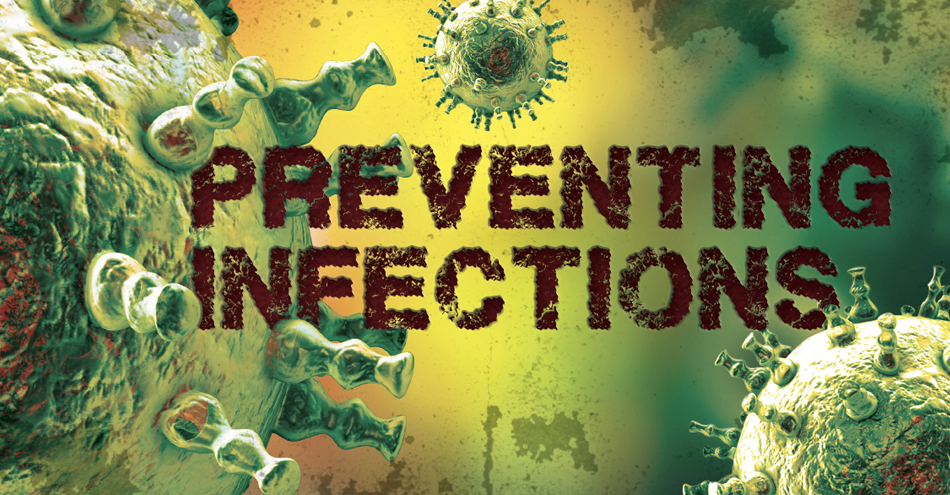
Infections can strike when you least expect them, disrupting your daily life and leaving you feeling unwell. But what if you could take simple steps to protect yourself and those around you?
Understanding how to prevent infections is key to staying healthy and strong. You’ll discover practical, easy-to-follow tips that fit seamlessly into your routine. Keep reading to learn how small changes can make a big difference in safeguarding your health.

Common Infection Types
Infections affect millions of people worldwide every day. Understanding common infection types helps prevent their spread and impact. Infections can come from bacteria, viruses, fungi, or parasites. Each type causes different symptoms and needs specific care.
Bacterial Infections
Bacteria are tiny living organisms found everywhere. Some bacteria cause illnesses like strep throat, urinary tract infections, and tuberculosis. These infections often need antibiotics for treatment. Good hygiene and clean water reduce the risk of bacterial infections.
Viral Infections
Viruses are even smaller than bacteria. They cause colds, flu, chickenpox, and COVID-19. Viral infections spread through coughs, sneezes, and touching surfaces. Vaccines help protect against many viral infections. Rest and fluids support recovery.
Fungal Infections
Fungi live on skin, nails, and inside the body. Common fungal infections include athlete’s foot, yeast infections, and ringworm. These infections thrive in warm, moist places. Antifungal creams or medicines treat most fungal infections effectively.
Parasitic Infections
Parasites live in or on other living beings. They cause infections like malaria, giardiasis, and lice infestations. Parasites spread through contaminated food, water, or insect bites. Avoiding unsafe water and using insect repellent lower the risk.
Hygiene Habits
Good hygiene habits are key to stopping infections. Clean habits reduce germs and keep you healthy. Simple daily actions protect you and those around you.
These habits include washing hands, keeping your body clean, and cleaning surfaces. Each step lowers the risk of illness. Learn easy ways to practice hygiene every day.
Handwashing Techniques
Wash hands with soap and clean water. Rub all parts of your hands for at least 20 seconds. Don’t forget thumbs, between fingers, and under nails. Rinse well and dry with a clean towel or air dry. Handwashing stops most germs from spreading.
Personal Cleanliness
Shower or bathe daily to remove dirt and sweat. Clean clothes help reduce bacteria on skin. Brush teeth twice a day to prevent germs in your mouth. Keep nails short and clean to avoid trapping germs. Personal care limits infection risks.
Sanitizing Surfaces
Wipe down often-touched surfaces like doorknobs, phones, and tables. Use disinfectant sprays or wipes to kill germs. Clean surfaces regularly, especially in shared spaces. This step stops germs from moving between people.
Boosting Immunity
Boosting immunity is key to preventing infections. A strong immune system fights germs and keeps you healthy. Simple daily habits can improve your body’s defenses. Focus on what you eat, how you move, and the rest you get.
Balanced Nutrition
Eating a variety of fruits and vegetables feeds your immune system. Vitamins like C and D help fight infections. Protein supports the repair of body tissues. Avoid too much sugar and processed foods. Drink plenty of water to stay hydrated.
Regular Exercise
Exercise helps your body stay strong and resilient. It improves blood flow, which allows immune cells to move easily. Aim for at least 30 minutes of moderate activity most days. Walking, cycling, or dancing are good choices. Avoid overexertion, which can weaken immunity.
Adequate Sleep
Sleep restores your body and strengthens immune response. Adults need 7 to 9 hours every night. Poor sleep lowers the body’s ability to fight germs. Create a calm and dark environment for better rest. Stick to a regular sleep schedule for best results.
Vaccination Importance
Vaccination plays a key role in stopping infections. It helps the body build protection against harmful germs. Vaccines reduce the chance of catching serious diseases. They also help stop the spread of infections in communities. Protecting yourself and others is easier with vaccines.
Common Vaccines
Many vaccines are given to protect against common illnesses. These include vaccines for flu, measles, and polio. Vaccines for hepatitis B and tetanus are also widely used. Each vaccine trains the immune system to fight specific germs. Receiving these vaccines lowers the risk of severe sickness.
Vaccine Schedules
Vaccine schedules guide the timing of shots for all ages. Babies receive many vaccines early in life. Older children, teens, and adults also need boosters. Following the schedule ensures strong and lasting protection. Skipping or delaying vaccines can leave you vulnerable.
Myths And Facts
Many myths about vaccines cause fear and confusion. Some believe vaccines cause illness or side effects. The truth is vaccines are safe and tested carefully. Side effects are usually mild and short-lived. Trusting facts helps people make smart health choices.
Safe Practices
Safe practices help stop infections from spreading. They protect you and others around you. Following simple habits daily can make a big difference. These habits include handling food safely, drinking clean water, and keeping distance from sick people.
Food Safety Tips
Wash hands before cooking or eating. Clean fruits and vegetables well. Cook meat, eggs, and fish fully to kill germs. Store food at the right temperature. Avoid eating food left out for hours. Use clean utensils and plates. These steps reduce the chance of foodborne infections.
Safe Water Consumption
Drink water from safe sources only. Boil water if unsure about cleanliness. Use filtered or bottled water if needed. Avoid swallowing water while swimming. Keep water containers clean and covered. Safe water prevents many stomach and other infections.
Avoiding Contact With Sick Individuals
Keep distance from people who are sick. Avoid sharing personal items like towels and cups. Wash hands often, especially after touching public surfaces. Cover mouth and nose when coughing or sneezing. These actions lower the chance of catching infections from others.
Environmental Factors
Environmental factors play a big role in preventing infections. Germs grow and spread in dirty places. Clean surroundings help stop germs from spreading. This section explains how to keep your environment safe.
Keeping Living Spaces Clean
Clean rooms reduce the chance of infection. Dust and dirt carry harmful germs. Regularly wipe surfaces with disinfectant. Clean floors and furniture often. Ventilate rooms to keep air fresh. Clean spaces make it harder for germs to live.
Managing Waste Properly
Trash holds many germs and bacteria. Throw garbage in sealed bins. Empty bins daily to avoid buildup. Use separate bins for food and other waste. Proper waste management stops germs from spreading. Keep waste areas clean and dry.
Controlling Pests
Pests like rats, flies, and cockroaches spread infections. Close cracks and holes to block pests. Store food in tight containers. Use safe pest control methods. Remove standing water to stop mosquitoes. Control pests to keep your home healthier.
When To Seek Help
Knowing when to seek help is key to stopping infections early. Acting fast can prevent serious health problems. It also helps you recover quicker and avoid spreading germs to others.
Understanding signs and following medical advice keeps infections under control. Careful attention to your body helps you decide when to get support from health experts.
Recognizing Symptoms
Watch for redness, swelling, or pain around wounds. Fever and chills often mean your body fights infection. Fatigue and unusual tiredness can signal trouble. Persistent cough or difficulty breathing needs attention. Notice if symptoms get worse or last more than a few days.
Timely Medical Consultation
Visit a doctor at the first sign of serious symptoms. Early medical help stops infections from spreading. Professionals can give the right tests and treatments. Don’t wait if you have a high fever or severe pain. Seek help if you see pus or foul smell from a wound.
Following Treatment Plans
Take all medicines exactly as the doctor says. Finish the full course of antibiotics to kill germs. Attend follow-up visits to check your recovery. Avoid stopping treatment early, even if you feel better. Proper care lowers the chance of infection returning.
Frequently Asked Questions
What Are The Most Effective Ways To Prevent Infections?
Effective infection prevention includes regular handwashing, using sanitizers, avoiding close contact with sick individuals, and keeping wounds clean. Vaccinations and maintaining a healthy lifestyle also boost immunity and reduce infection risk.
How Does Hand Hygiene Help In Infection Control?
Hand hygiene removes germs and prevents their spread. Washing hands with soap and water for at least 20 seconds kills most pathogens. Using alcohol-based sanitizers is a quick alternative when soap isn’t available.
Can Disinfecting Surfaces Reduce Infection Risk?
Yes, disinfecting surfaces kills germs that cause infections. Regular cleaning of high-touch areas like doorknobs, phones, and countertops limits pathogen transmission. Use EPA-approved disinfectants for best results.
Why Is Vaccination Important In Infection Prevention?
Vaccinations protect against specific infectious diseases by boosting immunity. They reduce illness severity and prevent outbreaks. Staying up to date on vaccines is crucial for personal and public health.
Conclusion
Preventing infections keeps you and others healthy. Wash hands often with soap and water. Avoid touching your face with dirty hands. Cover your mouth when coughing or sneezing. Stay home if you feel sick. Clean surfaces regularly to stop germs from spreading.
Small actions create a big difference. Stay aware and take simple steps daily. Protect yourself and your loved ones. Healthy habits make life safer and better. Keep infections away by staying careful every day.