If you’re a parent, you know how quickly your baby’s skin can become red and irritated during warm days. Heat rash is uncomfortable for your little one and worrying for you.
But what if you could stop it before it starts? You’ll discover simple, effective ways to protect your baby’s delicate skin from heat rash. Keep reading to learn easy tips that make a big difference—because your baby deserves comfort, especially when the temperature rises.

Causes Of Heat Rash In Babies
Heat rash is a common skin problem in babies. It happens when sweat gets trapped under their skin. Understanding the causes helps prevent this uncomfortable condition. Babies have delicate skin that can react quickly to heat and moisture.
Parents should know what triggers heat rash and how it develops. This knowledge helps keep babies cool and rash-free during warm days.
How Heat Rash Develops
Heat rash forms when sweat glands get blocked. Sweat stays inside the skin instead of evaporating. This causes tiny red bumps or blisters to appear. The rash usually shows on the neck, chest, and folds of the skin. Babies sweat more but cannot cool down as well as adults.
Common Triggers And Risk Factors
Hot and humid weather is the main trigger for heat rash. Babies dressed in too many clothes also get hot easily. Tight or non-breathable fabrics trap sweat against the skin. Prolonged exposure to warm environments raises the risk. Babies who sweat a lot or have sensitive skin are more prone to rashes.
Recognizing Heat Rash Symptoms
Recognizing heat rash symptoms early helps protect your baby from discomfort. Heat rash happens when sweat gets trapped under the skin. This causes tiny red bumps and irritation. Knowing what to watch for lets you act fast and keep your baby calm.
Visual Signs On Baby’s Skin
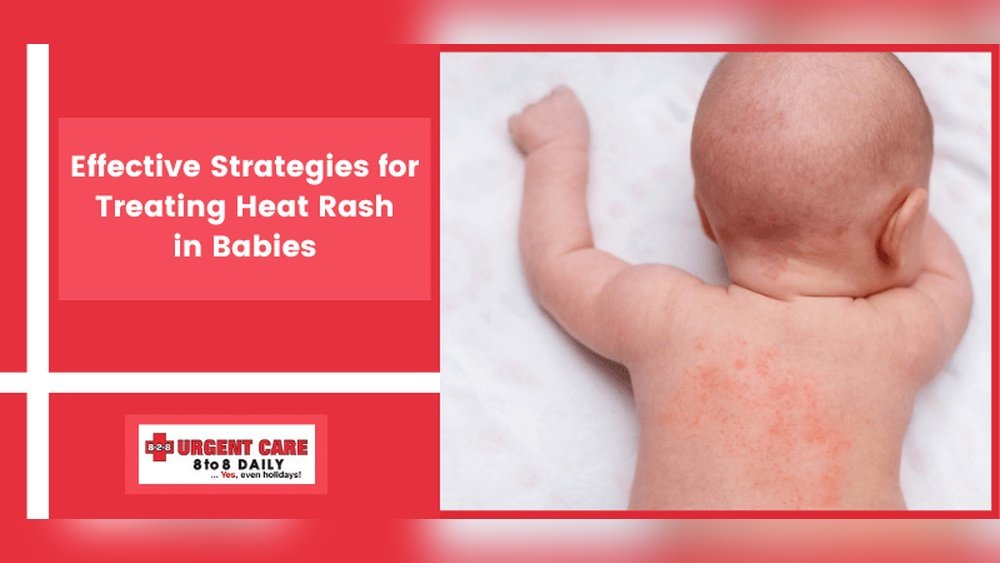
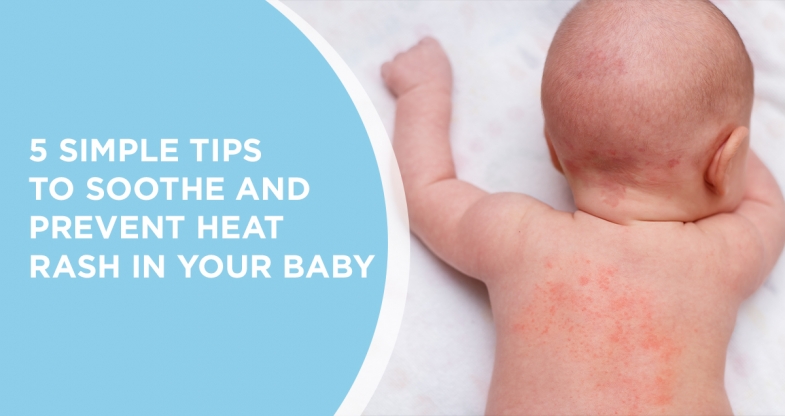
Heat rash looks like small, red bumps or blisters. It often appears in skin folds, like the neck, armpits, or diaper area. The skin might look red and feel warm. Sometimes, the rash looks like tiny pimples or clusters of small spots. The rash can spread if the baby sweats more.
Behavioral Clues Of Discomfort
Babies with heat rash may cry more than usual. They might rub or scratch the rash area. Watch for fussiness during hot weather or after dressing. Your baby may seem restless and have trouble sleeping. These signs show the rash is bothering your little one.
Clothing Choices For Cool Comfort
Choosing the right clothes helps keep babies cool and stops heat rash. Soft, light clothes let air flow. They stop sweat from staying on the skin. This stops irritation and redness. Picking the best fabric and dressing smartly makes a big difference. Babies stay happy and comfy all day.
Best Fabrics For Breathability
Cotton is gentle and lets air pass easily. It absorbs sweat well. Linen feels light and cool on baby’s skin. It dries fast and keeps baby dry. Avoid synthetic fabrics like polyester. They trap heat and moisture. Natural fibers help skin breathe and reduce rash risk.
Dressing Tips For Hot Weather
Dress baby in loose, light-colored clothes. Loose fits allow air to move freely. Light colors reflect sunlight and heat. Use thin layers that can be removed. A wide-brimmed hat can shade baby’s face. Keep clothes clean and dry. Change wet clothes quickly to avoid skin irritation.
Maintaining A Cool Environment
Keeping your baby cool is key to preventing heat rash. Babies sweat less than adults. Their skin can get irritated easily. A cool environment helps stop sweat from building up. This keeps your baby’s skin dry and comfy. Focus on controlling the room temperature and air flow. These steps reduce the chance of heat rash.
Optimal Room Temperature
Keep the baby’s room between 68 and 72 degrees Fahrenheit. This range feels cool and safe for babies. Avoid rooms that are too hot or too cold. Use a room thermometer to check the temperature. Dress your baby in light clothes to match the room. A steady temperature keeps your baby comfortable and rash-free.
Using Fans And Air Conditioning Safely
Fans help move air and cool the room gently. Place fans away from your baby’s direct reach. Avoid strong air blowing directly on the baby. Air conditioning cools the room quickly and controls humidity. Set the AC to a mild temperature, not too cold. Keep your baby hydrated and dressed lightly when AC is on. Proper use of fans and AC keeps the environment safe and cool.
Bathing And Skin Care Tips
Bathing and skin care play a big role in keeping your baby’s skin healthy and rash-free. Gentle care helps avoid irritation and keeps the skin cool. Using the right methods can protect your baby from heat rash and make them feel comfortable.
Ideal Bathing Frequency
Bathe your baby once a day to keep skin clean without drying it out. Use lukewarm water, not hot, to avoid irritation. Short baths, about 5 to 10 minutes, are best. Too many baths can strip natural oils and cause dryness. After bathing, pat the skin dry gently with a soft towel. Avoid rubbing hard, as it can hurt delicate skin.
Soothing Lotions And Powders To Use
Choose mild, fragrance-free lotions to keep your baby’s skin soft. Look for products made for sensitive baby skin. Avoid lotions with alcohol or harsh chemicals. Use powders sparingly and only if needed. Talc-free powders help absorb moisture and reduce friction. Always apply powder away from your baby’s face to prevent breathing issues. Moisturizing regularly can stop dryness and protect the skin from heat rash.
Feeding And Hydration Practices
Feeding and hydration play a big role in preventing heat rash in babies. Proper fluids and foods help keep a baby’s body temperature steady. This reduces sweating and skin irritation. Careful attention to what and how babies eat supports their comfort during hot days.
Keeping Babies Hydrated
Babies lose water quickly in warm weather. This makes hydration very important. Breast milk or formula gives babies the fluids they need. Offer small amounts often to keep them hydrated. Water is also good for babies older than six months. Avoid sugary drinks and juices. These can cause dehydration. Watch for signs like dry lips or fewer wet diapers. These may mean the baby needs more fluids.
Foods That Help Regulate Body Temperature
Some foods help cool the body naturally. Fruits like watermelon, cucumber, and oranges contain lots of water. These foods keep babies refreshed and hydrated. Light meals with fresh vegetables also support healthy skin. Avoid heavy or spicy foods that can raise body heat. Choose simple, easy-to-digest foods during hot days. This helps reduce sweating and heat rash risks.
When To Seek Medical Advice
Knowing when to seek medical advice for your baby’s heat rash is important. Most heat rashes clear up with simple care at home. Some rashes may get worse or cause infection. Acting early helps your baby feel better fast. Watch your baby closely and trust your instincts.
Signs Of Infection Or Severe Rash
Check for redness that spreads beyond the rash. Notice if the rash becomes swollen or painful. Look for pus or yellow fluid oozing from the rash. Your baby may have a fever or seem very tired. If your baby scratches a lot or cries more, it may be serious. Skin that blisters or forms sores needs quick care. These signs mean the rash may be infected or severe.
Treatment Options From Healthcare Providers
Doctors can give creams or ointments to reduce infection. They may suggest mild steroid creams for severe rash. Sometimes, antibiotics are needed for skin infection. Healthcare providers guide you on how to care for the rash. They check your baby’s overall health and comfort. Follow their advice closely to help your baby heal well.
Frequently Asked Questions
What Causes Heat Rash In Babies?
Heat rash in babies occurs when sweat ducts become blocked. This causes red, itchy bumps on the skin. Babies are prone due to their sensitive skin and inability to regulate temperature well.
How Can I Prevent Heat Rash In My Baby?
Keep your baby cool and dry by dressing them in lightweight, breathable fabrics. Avoid excessive bundling and ensure good air circulation. Regularly change wet diapers and use gentle powders if needed.
When Should I See A Doctor For Baby Heat Rash?
Consult a doctor if the rash worsens, blisters, or shows signs of infection. Also seek medical advice if your baby has a fever or persistent discomfort.
Can Heat Rash Be Treated At Home Safely?
Yes, keep the affected area cool and dry. Use cool compresses and loose clothing. Avoid creams or ointments unless recommended by a pediatrician.
Conclusion
Preventing heat rash in babies is simple with a few easy steps. Keep your baby cool and dry. Dress them in light, breathable clothes. Avoid tight or rough fabrics that irritate the skin. Offer plenty of fluids to stay hydrated.
Check their skin often for any signs of rash. Early care helps avoid discomfort and infection. Stay aware of the weather and adjust your baby’s care accordingly. These small actions protect your baby’s delicate skin every day. Easy and effective.


