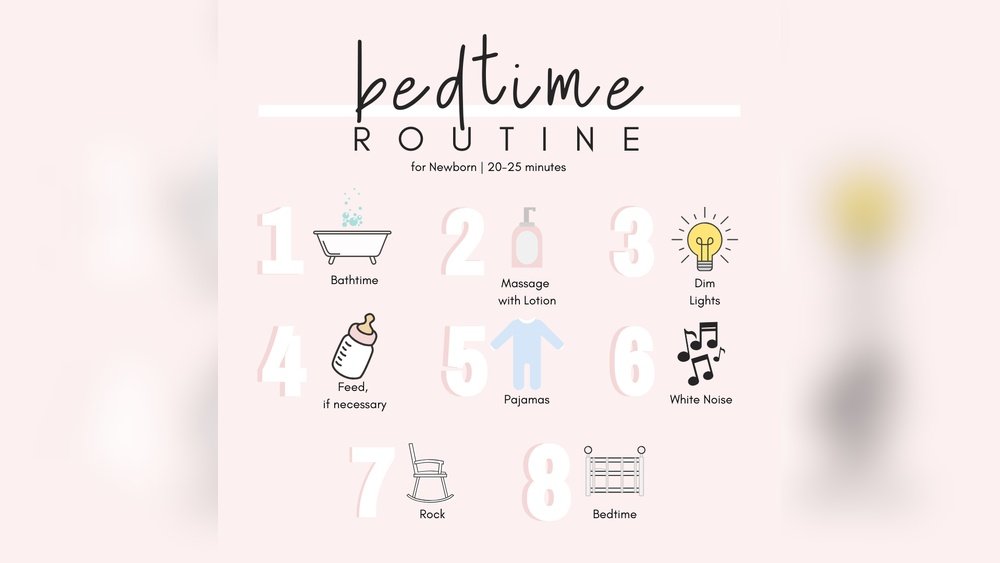
Are you struggling to find a peaceful nighttime sleep routine for your newborn? You’re not alone.
Many new parents feel overwhelmed and exhausted trying to soothe their baby to sleep. But imagine having a simple, calming routine that helps your little one settle down quickly and lets you get the rest you desperately need. You’ll discover easy steps to create a bedtime ritual that works, so both you and your baby can enjoy restful nights.
Keep reading to unlock the secrets to peaceful sleep and wake up refreshed every morning.
Importance Of Sleep For Newborns
Sleep is very important for newborn babies. It helps their bodies grow and their brains develop. Newborns spend most of their day sleeping. This rest supports their health and well-being.
Good sleep also helps babies learn new things and stay calm. Without enough sleep, babies can become fussy and have trouble feeding. Parents should create a quiet and safe sleep space for their newborn.
Sleep Cycles In Newborns
Newborns have shorter sleep cycles than adults. Each cycle lasts about 50 to 60 minutes. During these cycles, babies move between light and deep sleep.
They spend more time in active sleep, which is similar to dreaming. This type of sleep helps brain growth. Understanding these cycles helps parents respond to their baby’s needs.
Benefits Of Restful Sleep
Restful sleep helps newborns build a strong immune system. It also supports healthy weight gain and muscle growth. Babies who sleep well tend to be happier and more alert.
Good sleep routines can improve feeding patterns and reduce crying. Rest allows babies to recharge and be ready for new experiences. Sleep is the foundation for a healthy start in life.

Setting Up A Soothing Sleep Environment
Creating a calm and safe space helps newborns sleep better at night. Babies feel comforted in a quiet, cozy room. A soothing sleep environment supports healthy sleep habits from the start.
Ideal Room Temperature And Lighting
Keep the room temperature between 68 and 72 degrees Fahrenheit. This range is comfortable and prevents overheating. Soft lighting helps babies relax and signals bedtime. Use dim lights or a nightlight to avoid bright glare. Darkness encourages the production of melatonin, the sleep hormone.
Safe Sleep Space Essentials
Place your baby on a firm mattress with a fitted sheet only. Avoid pillows, blankets, and stuffed toys inside the crib. These items can cause suffocation or increase the risk of Sudden Infant Death Syndrome (SIDS). Use a sleep sack or wearable blanket instead. Ensure the crib meets current safety standards for bars and spacing.
Effective Bedtime Rituals
Effective bedtime rituals help newborns feel safe and ready to sleep. A calm routine signals that it is time to rest. This makes falling asleep easier for your baby. Establishing simple habits brings comfort and peace at night.
Consistency is key. Repeating the same activities every night creates a soothing pattern. This routine helps your baby’s body and mind relax. Over time, your newborn will learn to expect sleep after these rituals.
Calming Activities Before Bed
Choose quiet activities that relax your baby. Gentle rocking or soft singing works well. A warm bath can also calm the body. Keep lights dim and sounds low. Avoid loud noises and bright screens. These steps help your baby slow down.
Soft lullabies or white noise may comfort your newborn. A gentle massage can ease tension. Hold your baby close to share warmth and security. These calming actions prepare your baby for a peaceful sleep.
Consistent Bedtime Timing
Set a fixed bedtime each night. Babies thrive on routine and predictability. Going to bed at the same time helps regulate their internal clock. This makes it easier for them to fall asleep quickly.
Watch for sleepy cues like yawning or eye rubbing. Start the bedtime routine soon after these signs appear. Avoid waiting too long, as overtired babies find it harder to sleep. Consistent timing builds healthy sleep habits early on.
Feeding And Sleep Patterns
Newborns have unique feeding and sleep patterns that affect their nighttime routine. Understanding these patterns helps parents care for their babies better. Feeding times often influence how long a baby sleeps. Babies may wake up hungry and need frequent feeding. Knowing when and how to feed supports better sleep for both baby and parents.
Nighttime Feeding Tips
Feed your baby in a calm and quiet place. Keep lights low to help your baby stay sleepy. Avoid loud noises or strong stimulation during feeding. Offer full feedings to help your baby sleep longer. Burp your baby gently after feeding to prevent discomfort. Use a consistent routine to signal feeding time. This helps your baby feel secure and relaxed.
Recognizing Hunger Cues
Look for early signs of hunger like lip-smacking or rooting. Babies may suck on their hands when hungry. Crying is a late hunger signal and can mean distress. Feeding before crying keeps your baby calm. Watch your baby closely during nighttime to catch these cues. Responding quickly helps your baby settle back to sleep faster. Learn your baby’s signals to make feeding smoother.
Handling Night Wakings
Night wakings are normal for newborns. They wake up often because they need to eat or feel comforted. Handling these wakings with calm and care helps your baby settle back to sleep. Knowing how to respond can make nights easier for both of you.
Soothing Techniques
Try gentle rocking or soft singing to calm your baby. Use a pacifier if your baby likes it. Keep the room dark and quiet to avoid full waking. Swaddling can make your baby feel safe and warm. A light touch or gentle pat often helps your baby relax. Avoid bright lights or loud noises during night wakings.
When To Seek Help
Seek help if your baby cries constantly and cannot be soothed. If your baby wakes too often and seems unhappy, talk to your doctor. Signs of illness or unusual behavior also need medical advice. Trust your instincts about your baby’s health and comfort. Support is important for your peace of mind and your baby’s well-being.

Tips For Parents’ Rest
Parents often feel tired during their newborn’s nighttime routine. Rest is very important for their health and mood. Small changes can help parents get better sleep and feel more refreshed. Simple tips make a big difference in managing tiredness.
Sharing duties and managing sleep loss helps parents stay stronger. These actions support parents through the newborn’s first months.
Sharing Nighttime Duties
Parents should divide tasks like feeding, changing, and soothing. Taking turns helps both get enough rest. One parent can feed while the other rests nearby. Sharing duties reduces stress and keeps energy up.
Talk about a schedule that works for both. Use baby monitors to stay aware without waking up fully. Teamwork helps parents feel less overwhelmed at night.
Managing Sleep Deprivation
Sleep loss is common for parents with newborns. Short naps during the day help regain energy. Avoid caffeine late in the day to improve night sleep. Try to relax before bedtime with quiet activities.
Let go of perfect routines. Rest whenever possible, even if sleep is short. Ask for help from family or friends to get breaks. Managing sleep loss is key for parents’ health and happiness.
.webp)
Frequently Asked Questions
What Is The Ideal Bedtime For A Newborn?
Newborns typically sleep 14-17 hours daily, spread across day and night. Establish a consistent bedtime between 7-8 PM to support their natural sleep cycle and promote better nighttime rest.
How Can I Create A Calming Nighttime Routine?
A calming routine includes dim lights, gentle sounds, and soothing activities like a warm bath or soft lullabies. Consistency helps signal your newborn it’s time to sleep, promoting relaxation and better rest.
How Often Should I Feed My Newborn At Night?
Newborns usually feed every 2-3 hours, including nighttime. Responsive feeding based on hunger cues ensures proper nutrition and comfort, helping your baby sleep more soundly between feeds.
When Should I Start Sleep Training My Newborn?
Sleep training is generally recommended after 3-4 months, once feeding patterns stabilize. Before then, focus on establishing routines and responding to your baby’s needs to build healthy sleep habits.
Conclusion
A steady nighttime routine helps your newborn feel safe and calm. Consistency builds good sleep habits that last long. Soft lights and gentle sounds create a peaceful space. Keep feeding and diaper changes quiet and simple. Sleep may take time, but patience brings results.
Trust your instincts and enjoy these quiet moments. Every baby is different—find what works best for yours. Sweet dreams start with a calm, loving routine.


