Welcoming a newborn into your life is an incredible experience, but it can also bring moments of worry—especially when your baby seems upset or unsettled. You might wonder, “Is my baby stressed?” Recognizing newborn stress signs early can help you respond in the best way to soothe your little one and keep them comfortable.
You’ll discover the key signs that indicate your newborn is stressed, why it matters, and simple steps you can take to ease their discomfort. Keep reading to learn how to better understand your baby’s needs and create a calm, happy environment for both of you.
Common Stress Signs In Newborns
Newborns cannot speak, but they show stress in many ways. Parents and caregivers must spot these signs early. Recognizing stress helps keep babies calm and healthy. Stress can affect a newborn’s growth and sleep patterns. It is important to learn how newborns express stress.
Physical Symptoms
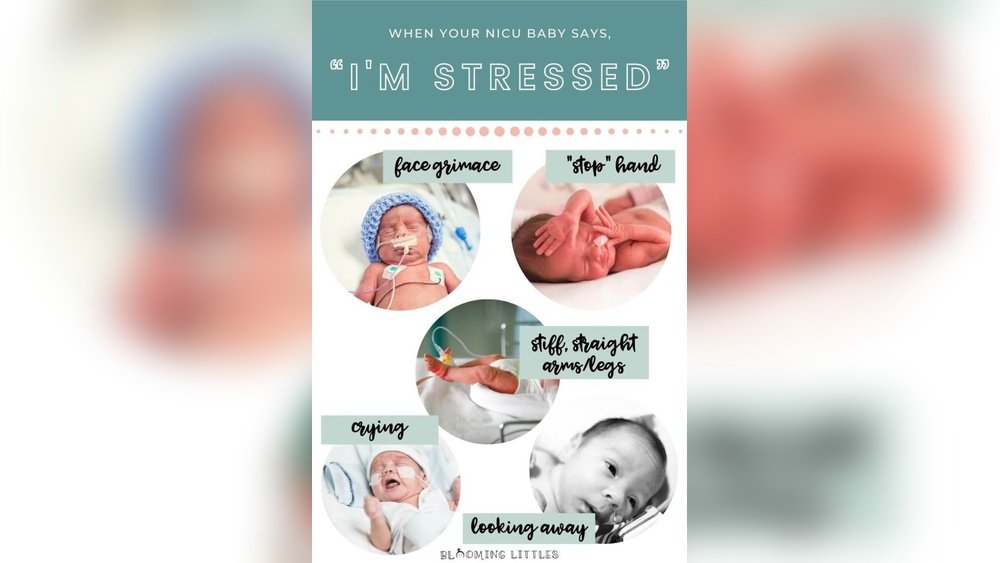
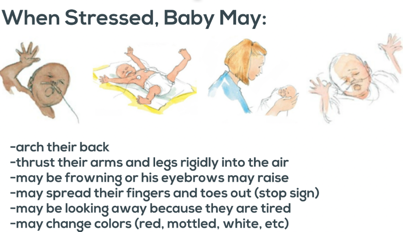
Newborns may have tense muscles or tight fists. Their skin might look pale or blotchy. Some babies sweat more than usual, even without heat. Rapid breathing or hiccups can also signal stress. Crying that sounds weak or high-pitched may be a sign. Watch for changes in feeding habits, like refusing milk. These physical signs show the baby is uncomfortable or upset.
Behavioral Changes
Stress can change how a newborn acts. They may become unusually quiet or very fussy. Sleep patterns might shift, with difficulty falling asleep or waking often. Newborns might pull away or avoid eye contact. Some babies may suck their fingers or pacifiers more. Less interest in toys or surroundings can also happen. These changes help parents notice stress early and respond quickly.
Causes Of Newborn Stress
Newborns can feel stress from many causes. Stress affects their mood and health. Knowing what causes stress helps parents support their baby better. Stress signs show when a baby feels upset or uneasy.
Environmental Factors
Bright lights, loud noises, and strong smells can upset a newborn. Crowded places or too many people may cause stress. Sudden changes in temperature or too much heat make babies uncomfortable. A calm and quiet room helps reduce stress.
Health Issues
Illness or pain can stress a newborn. Common problems include colic, fever, or infections. Babies with allergies or skin rashes may feel uneasy. Regular check-ups help detect health problems early.
Feeding And Sleep Challenges
Hunger or trouble feeding can cause stress in babies. Some newborns struggle with breastfeeding or bottle feeding. Lack of sleep or interrupted naps makes babies cranky. Creating a feeding and sleep routine helps reduce stress.
Recognizing Stress Through Crying Patterns
Newborns use crying as their main way to communicate. Their crying patterns can tell a lot about their feelings. Stress is one feeling that changes how babies cry. Parents can learn to spot stress by listening closely to these cries. This helps in comforting babies quickly.
Recognizing stress through crying patterns is important. It helps parents respond well to their baby’s needs. Different cries mean different things. Some cries are normal, but others show stress or discomfort. Knowing the difference can keep babies calm and safe.
Types Of Cries
Newborns have many types of cries. Each cry has a unique sound and rhythm. Hungry cries are rhythmic and steady. Pain cries are loud, sharp, and sudden. Tired cries are soft and whiny. There are also cries that show discomfort or stress. Learning these types helps parents understand their baby’s needs better.
When Crying Indicates Stress
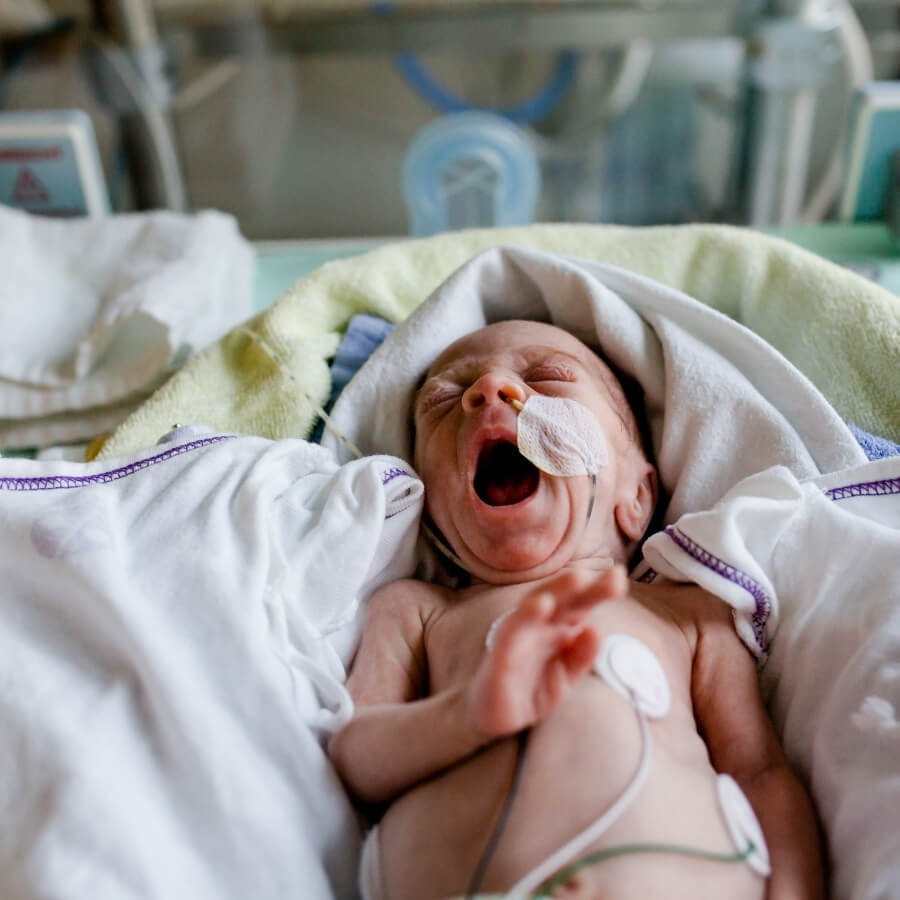
Stress cries sound different from normal cries. They may be high-pitched and long-lasting. The baby might cry without stopping for a while. Crying can come with shaking or fast breathing. Babies may also pull their legs up or clench their fists. These signs show the baby feels overwhelmed or upset. Recognizing these cries early helps parents calm their baby quickly.
Impact Of Stress On Newborn Development
Stress affects newborns in many ways. It can change how their brain and body grow. Stress may make it hard for babies to feel safe and calm. This can slow down their learning and emotional growth.
Understanding the impact of stress on newborn development helps parents and caregivers support babies better. Early attention to stress signs can improve a baby’s health and future.
Short-term Effects
Stress in newborns can cause fussiness and trouble sleeping. Babies may cry more and have feeding problems. Their heartbeat and breathing can become irregular. These signs show the baby is uncomfortable or scared.
Short-term stress can also weaken the immune system. Babies might get sick more often. It can make them less interested in playing or interacting.
Long-term Consequences
Stress early in life can affect brain development. It may lead to learning difficulties as the child grows. Emotional problems like anxiety and sadness can appear later. Stress can also change how the body handles stress in the future.
Long-term stress may increase the risk of health issues. These include heart problems and weak immune response. Early care and comfort are key to reducing these risks.
How Parents Can Soothe A Stressed Newborn
Newborns can feel stress from many things, like loud noises or hunger. Parents can help by using simple methods to soothe their baby. These steps make the baby feel safe and calm. Knowing how to comfort a stressed newborn helps parents build a strong bond.
Comfort Techniques
Holding your baby close gives warmth and security. Gently rocking or swaying soothes a restless baby. Soft singing or humming can calm their mind. Using a pacifier helps some babies feel relaxed. Swaddling wraps the baby snugly, making them feel safe. Try gentle massage to ease tension and promote sleep.
Creating A Calm Environment
Keep the room quiet and dim to reduce stress. Avoid bright lights that can startle your baby. Use white noise or soft music to mask loud sounds. Maintain a comfortable room temperature for your newborn. Limit visitors and loud activities during rest time. A calm space helps your baby feel peaceful and secure.
When To Seek Medical Advice
Recognizing when a newborn shows signs of stress is important for their health. Some signs need quick attention from a doctor. Parents should watch closely for unusual behavior or symptoms. Early medical advice can prevent serious problems.
Warning Signs
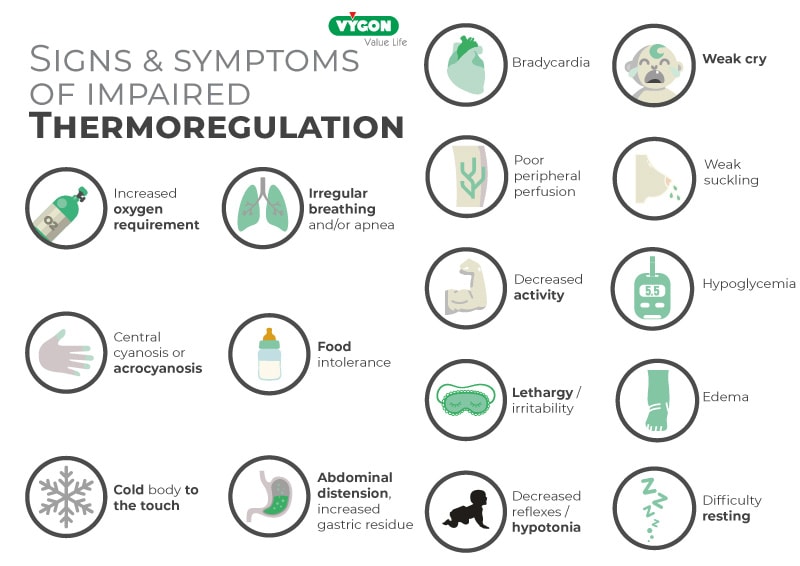
Watch for changes in your baby’s breathing. Fast, slow, or noisy breaths can be a concern. Check if your baby is very sleepy or hard to wake. Poor feeding or refusing to eat is another sign. Look for unusual skin color, such as pale or blue. High fever or constant crying also needs attention. Any sudden change in your baby’s behavior is important.
Consulting Healthcare Professionals
Contact your pediatrician if warning signs appear. Describe all symptoms clearly and calmly. The doctor may ask about feeding, sleeping, and activity. Follow advice carefully, even if symptoms seem mild. Sometimes, a quick check can prevent bigger issues. Always trust your instincts about your baby’s health. Early care helps newborns recover faster and safer.
Preventing Newborn Stress
Preventing newborn stress is important for your baby’s health and happiness. Stress can affect a newborn’s growth and sleep patterns. Simple steps can help create a calm and safe environment. Consistency and care play key roles in reducing stress for your little one.
Routine And Consistency
Babies feel safe with a regular routine. Feeding, sleeping, and playtimes at similar hours help them know what to expect. A consistent schedule supports their natural body clock. This reduces fussiness and helps your baby relax. Try to keep daily activities steady and predictable.
Parental Self-care
Parents must care for themselves to care for their baby well. Stress in parents can affect newborns. Taking time to rest, eat well, and relax improves your mood and energy. Calm parents create calm babies. Ask for help when needed. Your well-being is part of your baby’s comfort.
Frequently Asked Questions
What Are The Common Signs Of Newborn Stress?
Common newborn stress signs include excessive crying, poor feeding, irregular breathing, and disturbed sleep patterns. Physical signs may show as trembling or stiff muscles. Recognizing these signs early helps parents provide timely comfort and care, reducing stress and promoting healthy development.
How Can Parents Soothe A Stressed Newborn?
Parents can soothe a stressed newborn by holding them gently, using soft rocking motions, and offering a pacifier. Maintaining a calm environment with dim lighting and soft sounds also helps. Consistent feeding and swaddling provide comfort and security for the baby.
When Should I Worry About Newborn Stress Signs?
Worry if stress signs persist for more than a few hours or worsen. Seek medical advice if your baby has difficulty breathing, fever, or unresponsive crying. Early consultation ensures proper diagnosis and treatment, preventing complications and promoting newborn well-being.
Can Newborn Stress Affect Their Development?
Yes, prolonged newborn stress can impact brain development and emotional regulation. Early stress may lead to feeding issues, sleep disturbances, and delayed milestones. Timely intervention and nurturing care minimize negative effects and support healthy growth and development.
Conclusion
Newborns show stress in many small ways. Watch for changes in their face, body, and sounds. Early signs help parents act fast. Calm surroundings and gentle care ease their stress. Trust your instincts to protect your baby. Knowing these signs keeps your newborn safe and happy.
Stay patient and loving; it makes a big difference. Every baby is unique, so learning their signals is key. Keep close and support your little one always.