
Are you struggling to get your newborn to sleep through the night? You’re not alone.
Establishing a sleep routine for your little one can feel overwhelming and exhausting. But imagine having a calm, predictable schedule that helps your baby fall asleep easier and stay asleep longer. You’ll discover simple, practical tips that you can start using right away to create a peaceful sleep routine.
These strategies are designed to make your nights smoother and give you the rest you desperately need. Keep reading, and take the first step toward better sleep for both you and your baby.

Setting A Sleep Schedule
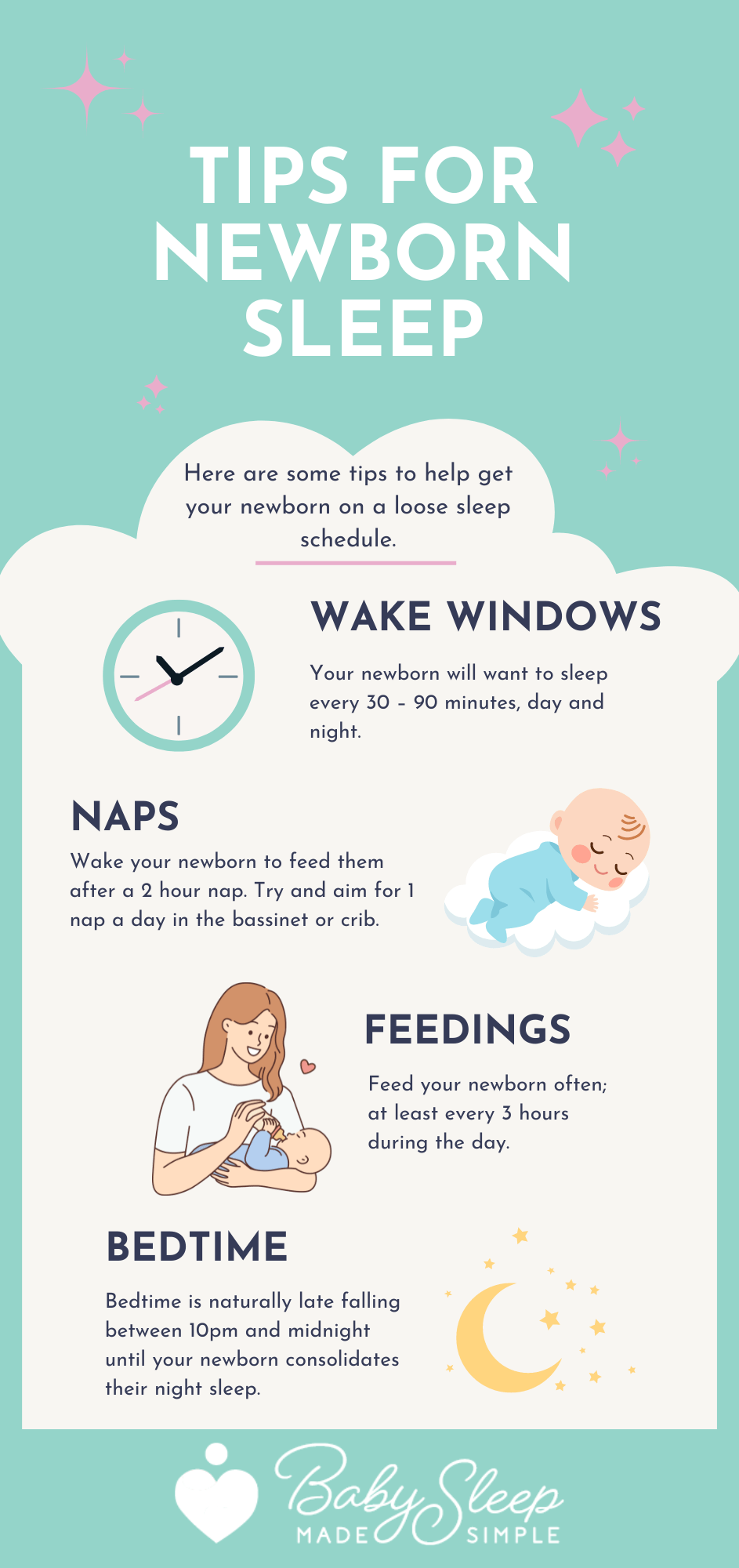
Setting a sleep schedule for a newborn helps create a calm and consistent environment. Babies thrive with routine. It guides their natural sleep patterns. Parents can feel more confident and less stressed. A clear sleep schedule supports healthy growth and mood. Understanding how to set this schedule is key to peaceful nights and happy days.
Ideal Sleep Times For Newborns
Newborns usually sleep 14 to 17 hours daily. Sleep happens in short periods of 2 to 4 hours. Night and day sleep differ in length and quality. Nighttime sleep may last longer but includes more waking. Daytime naps are shorter but frequent. Watch your baby’s signals to find the best times. A regular sleep time helps their body clock develop.
Balancing Day And Night Sleep
Newborns often mix day and night sleep. Helping them tell the difference is important. Keep daytime naps in bright rooms with noise. At night, create a quiet, dark, and calm space. Avoid active play before bedtime to settle them down. A consistent pattern teaches babies when to sleep and wake. This balance improves their overall sleep quality.
Adjusting As Baby Grows
Babies’ sleep needs change quickly in the first months. Sleep periods become longer and fewer during the night. Daytime naps may reduce but stay important. Watch for changes in sleep signs and adjust accordingly. Gradually shift sleep times to match new routines. Flexibility helps your baby feel safe and rested as they grow.
Creating A Soothing Environment
Creating a soothing environment helps your newborn feel safe and calm. A peaceful space can support better sleep. Small changes in the room can make a big difference. Focus on comfort and calmness to help your baby relax.
Room Temperature And Lighting
Keep the room temperature between 68 and 72 degrees Fahrenheit. This range feels comfortable for most babies. Avoid overheating, as it can disturb sleep. Use soft lighting or a dim night light. Bright lights can wake your newborn or make them restless.
Using White Noise And Soft Sounds
White noise mimics the sounds babies hear in the womb. It can soothe and help them sleep longer. Try gentle sounds like a fan, rain, or soft music. Keep the volume low to protect tiny ears. Consistent sounds create a calm and familiar background.
Choosing Comfortable Sleepwear
Select soft, breathable fabrics like cotton for sleepwear. Avoid clothes that are too tight or have rough seams. Dress your baby in layers to adjust for temperature changes. Comfortable sleepwear helps babies move freely and sleep well.
Establishing Bedtime Rituals
Establishing bedtime rituals helps newborns feel safe and ready for sleep. A steady routine signals the brain that it is time to rest. Simple, calm activities before bed can make a big difference. Consistency in these rituals creates comfort and eases the transition to sleep.
Calming Pre-sleep Activities
Choose quiet, soothing activities before bed. Soft singing, gentle massage, or reading a short story works well. Keep lights dim to create a peaceful mood. Avoid loud sounds or bright screens. These calming actions help your baby relax and prepare for sleep.
Consistent Feeding Before Sleep
Feeding at the same time before bed supports a good routine. It helps your baby feel full and content. Try to feed in a calm, quiet space. This avoids distractions and helps your baby focus on feeding. Consistent feeding times cue the body for sleep.
Gentle Rocking And Swaddling
Soft rocking soothes your newborn and mimics the womb’s motion. Swaddling keeps babies snug and secure. Both actions calm the nervous system and reduce fussiness. Use gentle, slow movements to avoid startling. These techniques comfort your baby and encourage restful sleep.

Handling Night Wakings
Night wakings are common for newborns. Parents often feel tired and unsure what to do. Handling these moments calmly helps your baby feel safe. It also sets the stage for better sleep over time. Understanding how to respond is key. This section covers simple tips to ease night wakings.
Recognizing Baby’s Needs
Babies wake for many reasons. They might be hungry, uncomfortable, or need a diaper change. Watch your baby’s cues closely. Crying can mean different things. Soft whimpers might show hunger. Restless movements could mean discomfort. Responding to true needs helps your baby settle faster.
Minimizing Stimulation During Feedings
Keep the room dark and quiet during night feedings. Bright lights and loud sounds can wake your baby more. Use a soft voice if you talk. Avoid playing or making eye contact. This keeps your baby calm and sleepy. The goal is to feed without fully waking them.
Soothing Without Picking Up
Sometimes, babies just need comfort, not holding. Try patting or gently rubbing their back. Use a soft shushing sound. Stay close but avoid picking them up right away. This helps your baby learn to calm down alone. It can reduce how often they wake at night.
Safe Sleep Practices
Safe sleep practices help protect your newborn during sleep. These habits reduce risks and create a calm sleep environment. Focus on simple steps that keep your baby secure and comfortable. Consistent safe sleep routines give parents peace of mind and support healthy sleep patterns.
Proper Sleep Positioning
Always place your baby on their back to sleep. This position lowers the risk of sudden infant death syndrome (SIDS). Avoid letting your baby sleep on the stomach or side. Use a firm mattress that supports the baby’s body well. Keep the head and face uncovered at all times to help breathing.
Avoiding Loose Bedding
Loose blankets, pillows, and toys can cause suffocation. Do not place any soft items in the crib. Instead, use a wearable blanket or sleep sack to keep your baby warm. Tuck sheets tightly around the mattress. Check the crib regularly for any loose or unsafe items.
Creating A Safe Sleep Space
Choose a crib or bassinet that meets safety standards. The sleep area should be free from hazards and clutter. Keep the crib away from cords, curtains, and blinds. Maintain a comfortable room temperature to prevent overheating. A quiet, dark room helps your baby sleep better and safer.
Common Sleep Challenges
Newborn sleep can be tricky. Many parents face common challenges that disrupt their baby’s rest. Understanding these issues helps parents provide better comfort and care. This section covers typical sleep problems and offers ways to handle them.
Dealing With Colic And Discomfort
Colic causes intense crying and fussiness. Babies may have gas or tummy pain. This discomfort often wakes them up frequently. Parents can try gentle rocking or a warm bath. Swaddling can also help babies feel secure. Avoid tight clothes and loud noises. A calm environment soothes a troubled baby.
Managing Sleep Regression
Sleep regression happens when babies suddenly wake more at night. It often occurs around 4 months and 8 months. Babies may resist naps or have shorter sleep. This phase is temporary but stressful. Keep consistent bedtime routines. Offer extra comfort and patience during this time.
Handling Growth Spurts
Growth spurts cause babies to eat more and sleep less. These periods last a few days. Babies may wake hungry and need more feedings. Parents should be ready to feed on demand. Extra cuddles and gentle care help babies feel safe. After the spurt, sleep often improves naturally.
Parental Self-care Tips
Taking care of a newborn is joyful but very tiring. Parents must also care for themselves. Good self-care helps parents feel stronger and more patient. It also improves the whole family’s well-being. Here are some important tips to help parents manage their energy and emotions during this demanding time.
Coping With Sleep Deprivation
Sleep loss can make parents feel tired and stressed. Short naps during the day help refresh the mind. Try to rest when the baby sleeps. Avoid caffeine late in the day to improve night sleep. Deep breathing and light stretching can also reduce tension. Keep a calm bedtime routine for yourself. This supports better sleep quality.
Sharing Night Duties
Sharing nighttime tasks eases the burden on one parent. Take turns to feed, change diapers, and soothe the baby. This teamwork allows each parent to get longer rest. Communicate clearly about who does what and when. Even small breaks help recharge energy. Sharing also strengthens the bond between parents.
Seeking Support When Needed
Ask for help from family, friends, or professionals. Support can be practical or emotional. Someone to talk to reduces feelings of loneliness. Babysitting offers parents time to rest or do something they enjoy. Joining parent groups connects you with others facing similar challenges. Accepting help is a sign of strength, not weakness.
Frequently Asked Questions
How Do I Establish A Newborn Sleep Routine?
Start by setting consistent nap and bedtime schedules. Use soothing activities like feeding and gentle rocking. Keep the environment calm and dimly lit. Consistency helps your baby recognize sleep cues and feel secure.
What Is The Ideal Sleep Duration For Newborns?
Newborns typically need 14 to 17 hours of sleep daily. This includes multiple naps spaced evenly throughout the day. Adequate sleep supports healthy growth and brain development.
How Can I Soothe My Newborn To Sleep?
Try gentle rocking, swaddling, and soft lullabies. A warm bath or feeding before sleep can also help. Create a calm, quiet environment to reduce distractions and promote relaxation.
When Should I Start A Sleep Schedule For My Newborn?
Begin establishing a sleep routine around 2 to 3 weeks old. Early routines help regulate your baby’s internal clock and improve sleep quality over time.
Conclusion
Creating a good sleep routine helps your baby rest better. Consistency is key to making sleep habits stick. Keep bedtime calm and quiet every night. Watch your baby’s sleepy signs and act fast. Small changes bring big benefits over time.
Trust your instincts and stay patient. Sleep routines take time but bring peace. Your baby will thank you with sweet dreams.


