Your newborn’s immune system is your first line of defense against illnesses. But did you know it’s still learning how to fight off germs?
This makes your baby extra vulnerable, and that can be scary for any parent. The good news is, there are simple, effective ways you can help strengthen your baby’s immunity right now. Keep reading, because these tips could make a big difference in keeping your little one healthy and thriving.

How Newborn Immunity Develops
The immune system of a newborn is not fully ready at birth. It needs time to grow and learn to fight germs. This development happens in stages after birth. The process helps babies stay safe from infections. Understanding how this immunity works can help parents support their baby’s health.
Role Of Maternal Antibodies
Before birth, a baby gets antibodies from the mother. These are special proteins that fight germs. They pass through the placenta during pregnancy. These antibodies protect the baby in the first months. They help fight many infections outside the womb. Breast milk also provides antibodies after birth. This continues to protect the baby while their own system grows.
Immune System Maturation Timeline
The baby’s immune system starts to develop at birth. It slowly builds strength over the first year. At first, the system learns to recognize harmful germs. By six months, babies produce more of their own antibodies. By one year, the immune system is stronger but still developing. Vaccinations help boost the immune system during this time. Regular exposure to safe environments helps it grow too.
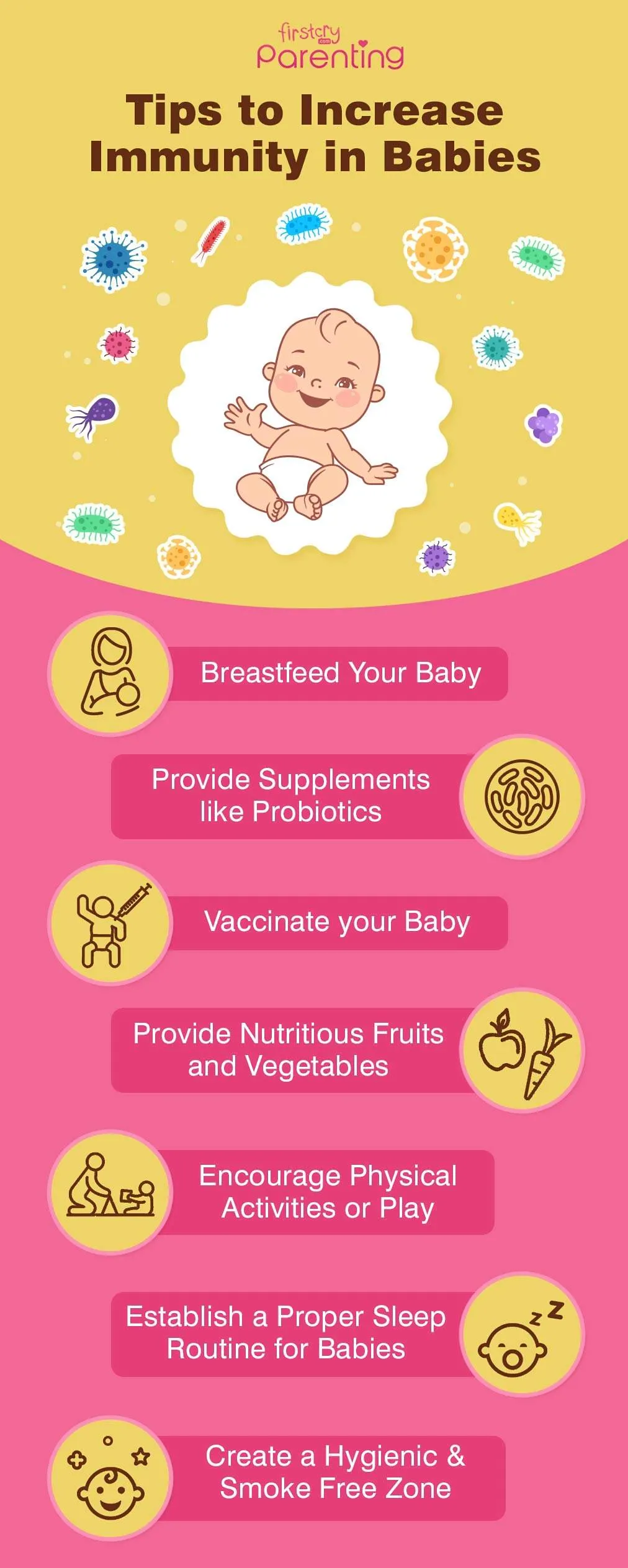
Key Nutrients For Immune Support
Newborns need special care to build strong immune systems. Key nutrients play a big role. These nutrients help protect babies from infections and illnesses. They support healthy growth and development. Parents should focus on foods and supplements rich in these nutrients. Understanding their benefits helps keep babies healthy.
Breastfeeding Benefits
Breast milk is full of important nutrients for babies. It contains antibodies that fight germs. These antibodies help babies build natural immunity. Breastfeeding also provides vitamins and minerals in the right amounts. It supports the development of the baby’s gut and immune system. Feeding breast milk regularly strengthens the baby’s defenses against sickness.
Vitamin D And Its Importance
Vitamin D helps the immune system work well. Babies need enough vitamin D to stay healthy. It helps the body fight infections and inflammation. Babies get vitamin D from sunlight and supplements. Breast milk may not provide enough vitamin D alone. Doctors often recommend vitamin D drops for newborns.
Creating A Safe Environment
Creating a safe environment helps protect a newborn’s fragile immune system. Babies need a clean, calm space to grow strong. Their bodies fight germs but need less stress and fewer risks. Careful steps at home reduce illness chances. The right habits keep harmful bacteria and viruses away.
Hygiene Practices
Clean hands prevent many infections. Wash your hands before holding the baby. Use gentle soap and warm water. Keep baby’s clothes and bedding fresh. Regularly clean toys and surfaces baby touches. Avoid strong chemicals that can irritate delicate skin. Maintain a tidy nursery to limit dust and germs.
Limiting Exposure To Germs
Limit visitors in the first weeks. Ask people to stay home if sick. Keep the baby away from crowded places. Avoid close contact with pets that go outside. Use a clean blanket or cover when outside. Fresh air is good but avoid smoky or polluted areas. These steps lower the chance of infections.
Vaccinations And Their Role
Vaccinations play a key role in protecting a newborn’s immune system. They help the body fight serious diseases by building strong defenses. Babies receive vaccines to prepare their immune system for harmful germs.
Vaccines are tested for safety and work by teaching the immune system to recognize and fight infections. This training is important because newborns are more vulnerable to illnesses. Vaccinations keep babies healthier and reduce the risk of spreading diseases.
Vaccination Schedule Basics
Doctors follow a set schedule to give vaccines at the right time. This schedule starts soon after birth and continues through childhood. Each vaccine protects against specific diseases like measles, polio, and whooping cough.
Following the schedule helps build strong immunity step by step. Some vaccines need multiple doses to work well. Parents should keep track of all appointments to ensure timely shots.
Common Vaccine Myths
Many myths about vaccines cause confusion and fear. One myth says vaccines cause serious side effects. In truth, side effects are usually mild and short-lived.
Another myth claims vaccines can cause diseases. Vaccines contain weakened or inactive parts of germs. They cannot cause the illness but help the body defend against it.
Trusting science and doctors helps protect newborns. Vaccines save lives and support a strong immune system.
Recognizing Signs Of Illness
Newborns cannot tell us when they feel unwell. Parents must watch closely for signs of illness. Early detection helps keep babies safe and healthy. Understanding what to look for can reduce worry and prompt quick action.
When To Seek Medical Help
Call a doctor if your baby has a fever over 100.4°F (38°C). Difficulty breathing or fast breathing needs urgent care. If your newborn is very sleepy and hard to wake, seek help. Refusing to eat for several feedings is a warning sign. Any unusual skin color, like pale or blue, requires medical attention. Persistent vomiting or diarrhea can cause dehydration in babies. Crying that sounds weak or unusually high-pitched may signal illness. Trust your instincts; if something feels wrong, get medical advice.
Common Newborn Infections
Newborns are prone to infections due to their weak immune systems. Cold and flu viruses spread easily among infants. Ear infections often cause fussiness and pulling at the ear. Diaper rash can turn infected if left untreated. Eye infections cause redness, swelling, or pus in the eyes. Thrush appears as white patches in the mouth and can be painful. Understanding these common infections helps parents act quickly. Early treatment reduces risks and supports faster recovery.

Boosting Immunity Through Lifestyle
Building a strong immune system in newborns helps protect them from illness. Lifestyle habits play a big role in supporting this growth. Simple daily routines can make a big difference in boosting immunity naturally.
Creating a healthy environment supports the baby’s defenses. Consistent care helps the immune system become strong and ready. Focus on gentle habits that fit a baby’s needs and rhythms.
Adequate Sleep Patterns
Sleep is vital for a newborn’s immune health. During sleep, the body repairs and strengthens itself. Babies need many hours of sleep each day to grow well.
Set a calm bedtime routine to help your baby rest. A quiet, dark room aids longer, deeper sleep. Regular sleep times help the body stay balanced and strong.
Gentle Physical Activity
Light movement supports immune function in newborns. Tummy time and gentle stretches boost blood flow and muscle strength. These activities help the baby’s body develop fully.
Short sessions of gentle activity keep the baby alert and happy. Avoid overexertion, focusing on soft, soothing motions. These simple exercises improve overall health and immunity.
Frequently Asked Questions
How Can I Boost My Newborn’s Immune System Naturally?
Breastfeeding provides essential antibodies to strengthen a newborn’s immunity. Ensure a balanced diet for the mother and maintain a clean environment. Avoid exposure to sick people and practice good hygiene to protect your baby.
When Do Newborns Start Developing Their Own Immunity?
Newborns begin developing their own immunity shortly after birth. Passive immunity from the mother lasts for a few months. Regular vaccinations help build long-term protection as their immune system matures.
What Are The Best Foods For Newborn Immunity Support?
For newborns, breast milk is the best immune booster. It contains antibodies and nutrients vital for immune development. When starting solids, introduce nutrient-rich foods like fruits, vegetables, and iron-fortified cereals.
Is It Safe To Take Newborns Outside During Flu Season?
Limit newborns’ exposure to crowded places during flu season. If going outside, keep them warm and avoid close contact with sick individuals. Practice good hand hygiene before handling your baby.
Conclusion
Helping your newborn build a strong immune system takes care and patience. Simple steps like good hygiene and proper nutrition make a big difference. Regular check-ups keep your baby healthy and safe. Let your little one get fresh air and enough sleep every day.
These habits create a natural shield against many illnesses. Remember, small actions now lead to better health later. Keep your baby’s immune system strong with love and attention. It’s a journey worth every effort.