Your baby’s hearing is one of the first ways they connect with the world around them. But how can you be sure your newborn is hearing properly?
Early hearing checks are crucial for your baby’s development and future learning. Missing this step can delay important milestones, but the good news is that testing is quick, simple, and painless. Keep reading to discover why newborn hearing checks matter so much and how they can make a difference for your child’s growth and happiness.
Importance Of Early Hearing Checks
Early hearing checks for newborns play a vital role in a child’s health and growth. Detecting hearing issues soon helps avoid delays in speech and learning. Babies cannot tell us if they cannot hear well. Tests done shortly after birth find problems early. Early checks give parents and doctors time to act fast. This support helps babies reach their full potential. The sooner hearing loss is found, the better the child’s chances for normal development.
Impact On Language Development
Hearing is key for babies to learn language. Sounds help babies understand words and meanings. If hearing loss goes unnoticed, language skills may lag. Delays in speech start early and can last long. Children with hearing problems may struggle in school. Early hearing checks prevent these delays by spotting issues. When hearing is clear, babies learn to talk and communicate well.
Benefits Of Timely Intervention
Early action after hearing checks makes a big difference. Hearing aids or other treatments can start sooner. Therapy and support can improve speech and learning. Children get help to join social activities with others. Families learn how to support their child’s needs. Timely intervention increases chances for normal growth. The right care helps children lead happy, active lives.

Common Hearing Screening Methods
Newborn hearing checks are very important for early detection of hearing issues. Testing is simple and painless. Two main methods are used in hospitals worldwide. Both tests help ensure babies hear well from birth. Early detection supports better speech and language development.
Otoacoustic Emissions (oae) Test
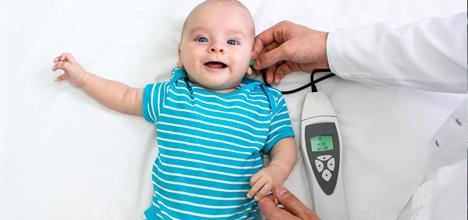
The OAE test measures sounds made by the inner ear. A small soft earphone is placed in the baby’s ear. It plays soft sounds and listens for echoes from the ear. If echoes are present, the ear is likely healthy. The test is quick and takes a few minutes. It works best for detecting problems in the outer and middle ear.
Automated Auditory Brainstem Response (aabr) Test
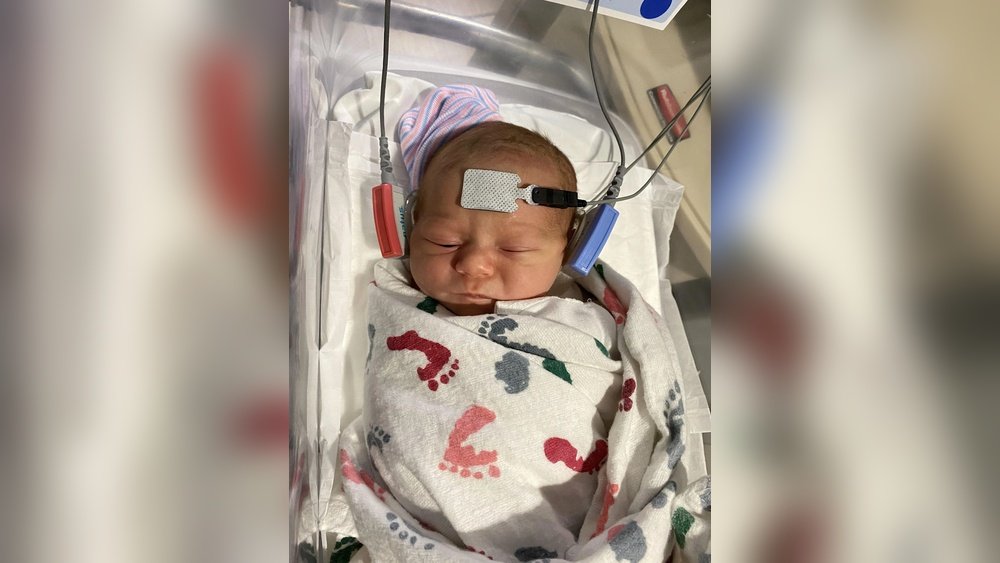
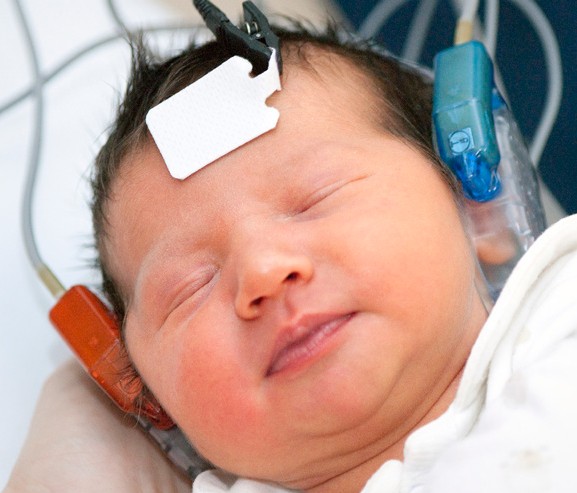
The AABR test checks how the brain responds to sound. Small sensors are placed on the baby’s head. Sounds are played through earphones. The sensors record the brain’s reaction to these sounds. This test detects problems in the inner ear and the brain pathways. It takes a bit longer than the OAE test but gives detailed results.
When And Where To Get Screening
Newborn hearing checks are important to spot hearing problems early. Early detection helps with speech and learning development. Knowing when and where to get these screenings is key for every parent.
Most babies get their first hearing test soon after birth. Some might need extra testing later. Parents should understand the options and timing for these checks.
Routine Hospital Screenings
Hospitals usually perform hearing tests within 48 hours after birth. These tests are quick and painless. Nurses or technicians use special machines to check hearing. It does not hurt the baby. This screening is standard in many places. It helps catch hearing issues early.
Follow-up Testing Options
If the first test shows a problem, follow-up tests are needed. These happen at clinics or specialist centers. Tests might include more detailed hearing exams. Some may use earphones or small sensors. Follow-up is important to confirm results. Early treatment depends on these checks.
Signs Of Hearing Issues In Newborns
Detecting hearing issues early in newborns is very important. Hearing helps babies learn to speak and connect with family. Sometimes, hearing problems may not be obvious at first. Parents and caregivers should watch for signs that suggest a baby might have trouble hearing. Recognizing these signs can lead to quick action and better care.
Behavioral Indicators
Newborns with hearing issues may not startle at loud sounds. They might stay calm during noises that usually make babies jump. Some babies do not turn their heads toward familiar voices by three months old. They may not respond to their name being called. Crying patterns can also change. Babies might cry less or seem unusually quiet. These behaviors can signal hearing difficulties and need attention.
Parental Observations To Note
Parents often notice subtle changes in their baby’s reactions. A baby who rarely smiles or coos when spoken to may have hearing issues. Delayed babbling or lack of vocal sounds is another sign. Some babies seem to watch lips closely instead of reacting to sounds. Not responding to everyday noises, like a doorbell or phone, can indicate hearing loss. Keeping a list of these observations helps healthcare providers assess the baby’s hearing effectively.
Next Steps After A Failed Screening
Failing a newborn hearing screening can be worrying for parents. It does not always mean permanent hearing loss. Some babies might have temporary issues that affect the test results. Understanding the next steps can help families act quickly and get the right support. Early action is key to support a child’s speech and language development.
Confirmatory Testing
Confirmatory testing is the next step after a failed screening. This test gives a clear picture of the baby’s hearing ability. It is more detailed than the initial screening. This test usually happens at a specialized clinic. It helps doctors understand if hearing loss is present and how severe it is. Early diagnosis allows for timely treatment and support.
Consulting Specialists
Consulting hearing specialists is important after confirmatory testing. Audiologists and ear doctors know how to assess hearing problems in babies. They explain the results and suggest treatment options. These specialists guide parents through hearing aids or other therapies if needed. Support from experts helps families make informed decisions for their child’s future.
Supporting Hearing Health At Home
Supporting hearing health at home plays a key role in your newborn’s overall development. Early hearing checks help detect issues, but ongoing care is essential. Creating a nurturing environment helps your baby respond to sounds and develop listening skills.
Simple daily actions can make a big difference. Paying attention to your baby’s reactions supports early language and social growth. This section explores ways to encourage hearing health through everyday habits and observation.
Creating A Stimulating Environment
Use a variety of sounds around your baby. Soft music, talking, and gentle noises keep their ears active. Change the source of sounds to different sides. This encourages your baby to turn their head and listen closely.
Keep noise levels moderate. Loud sounds can overwhelm or harm sensitive ears. Quiet times allow your baby to rest and process sounds better. Use toys that make gentle noises to attract attention and promote hearing.
Monitoring Developmental Milestones
Watch for signs your baby hears and responds to sounds. Turning toward voices or noises shows good hearing progress. Smiling or calming at familiar sounds also indicates positive development.
Track milestones like babbling and reacting to your voice. These actions show the brain is processing sounds correctly. Report any concerns to a healthcare professional early. Early support helps your child grow strong listening and speaking skills.
Resources For Parents And Caregivers
Newborn hearing checks can bring many questions for parents and caregivers. Support and clear information make the journey easier. Many resources exist to help families understand hearing health and next steps.
These resources connect families to communities and trusted guidance. Parents gain confidence and knowledge to support their child’s hearing development.
Support Groups
Support groups offer a safe space to share experiences. Parents meet others facing similar hearing challenges. These groups provide emotional comfort and practical advice.
Many groups meet online or in person. They include parents, caregivers, and professionals. Members discuss hearing tests, treatments, and daily care tips.
Educational Materials
Clear, simple guides explain newborn hearing tests and results. Pamphlets, videos, and websites use easy words and pictures. They cover hearing development and what to expect next.
Reliable educational materials help parents understand medical terms. They also suggest activities to support a child’s hearing growth. These materials are often free from hospitals and health centers.
Frequently Asked Questions
What Are Newborn Hearing Checks?
Newborn hearing checks are screenings performed shortly after birth. They detect early hearing loss to ensure timely intervention. These tests are painless and quick, helping identify potential issues before speech development begins.
When Should Newborn Hearing Tests Be Done?
Newborn hearing tests are ideally done within the first month of life. Early screening helps detect hearing issues promptly. Timely diagnosis allows for early treatment, improving language and cognitive development outcomes.
How Are Newborn Hearing Checks Performed?
Hearing checks use non-invasive methods like OAE or ABR tests. OAE measures ear’s response to sounds, while ABR checks brainwave reactions. Both are safe, painless, and can be done while the baby sleeps.
Why Are Newborn Hearing Screenings Important?
Early hearing screenings identify hearing loss that can affect speech and learning. Early detection enables timely support, improving communication skills and overall development. It reduces the impact of hearing loss on a child’s future.
Conclusion
Newborn hearing checks help detect problems early. Early detection supports better speech and learning. These tests are quick, safe, and painless. Parents should trust healthcare providers to do them. Taking action soon gives babies a strong start. Healthy hearing means happier, confident children later.
Regular checkups keep track of hearing health. Don’t wait to find out if there’s a concern. Early help makes a real difference in life. Hearing checks matter for every newborn’s bright future.