If your newborn is uncomfortable and crying more than usual, gas might be the culprit. You want to help your baby feel calm and happy, but sometimes it’s hard to know what to do.
Understanding how to relieve your newborn’s gas quickly can make a huge difference for both of you. You’ll discover simple and effective ways to ease your baby’s discomfort and bring peace back to your home. Keep reading—you’ll find practical tips that really work.
Causes Of Newborn Gas
Newborn gas is a common issue many parents face. It causes fussiness and discomfort in babies. Understanding the causes helps parents manage it better. Gas forms when air or undigested food gets trapped in the baby’s tummy. Several factors contribute to this problem.
Common Triggers
Babies swallow air during crying or feeding. This air collects in their stomach and intestines. Certain foods in a breastfeeding mother’s diet may cause gas. Formula milk can sometimes lead to gas too. Some babies are more sensitive to these triggers than others.
Feeding Habits Impact
Feeding too quickly or too much can cause gas. Using a bottle with a fast flow nipple may increase swallowed air. Not burping the baby after feeding traps air inside. Feeding in a rushed or stressful environment can also affect digestion. Small, frequent feeds often reduce gas problems.
Digestive System Development
A newborn’s digestive system is still growing and maturing. It struggles to break down milk and other foods. This can lead to gas buildup and discomfort. Over time, the digestive system becomes better at handling food. Patience and proper care help ease this phase.
Signs Your Baby Has Gas
Babies cannot tell us when they feel uncomfortable. Gas can make your baby fussy and restless. Knowing the signs helps you comfort your baby quickly. Watch for clear signs that gas is bothering your little one.
Fussiness And Crying
Gas often makes babies cry more than usual. The crying might start suddenly and seem intense. Your baby may pull legs up to the tummy. Fussiness can happen after feeding times. This crying is different from hunger or tiredness cries.
Body Language Clues
Look for changes in your baby’s movements. Tight fists, stiff arms, and arching back are common signs. Babies may squirm or kick their legs a lot. These actions show discomfort in the belly. Notice if your baby tries to pass gas often.
Sleep Disruptions
Gas can wake your baby from sleep. They may have trouble falling back asleep. Short naps or restless sleep are common. Watch if your baby wakes crying after a nap. This can mean gas is causing pain or discomfort.
Feeding Techniques To Reduce Gas
Newborn gas can cause discomfort and fussiness. Feeding techniques play a key role in reducing gas. Simple changes in how you feed your baby can make a big difference. These tips help your baby swallow less air and digest better.
Proper Bottle Positioning
Hold the bottle at an angle. Keep the nipple full of milk to avoid air swallowing. Tilt the bottle so the milk flows steadily. Avoid letting the baby suck on an empty nipple. This helps reduce the amount of air your baby swallows.
Breastfeeding Tips
Ensure a good latch. Your baby’s mouth should cover both the nipple and part of the areola. This prevents air intake during feeding. Feed in a calm environment to avoid distractions. Try different positions to find what suits your baby best.
Choosing The Right Formula
Some formulas cause more gas than others. Look for formulas labeled “gentle” or “for sensitive tummies.” These formulas may reduce gas and fussiness. Talk to your pediatrician before switching formulas. They can recommend the best option for your baby.
Soothing Methods For Gas Relief
Newborns often struggle with gas, causing discomfort and fussiness. Soothing methods can ease their pain and help them feel calm. These simple techniques support your baby’s digestion and reduce gas buildup.
Burping Strategies
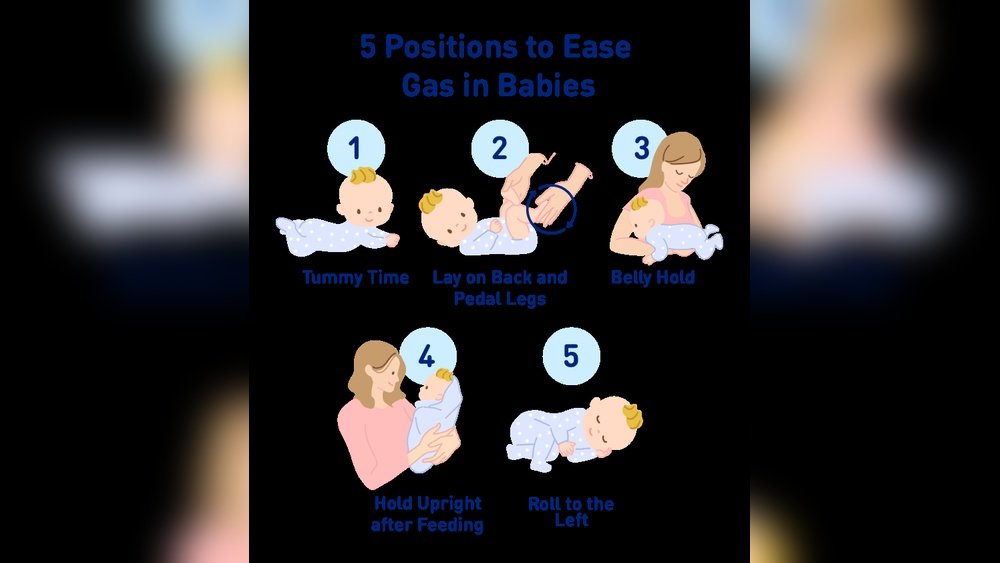
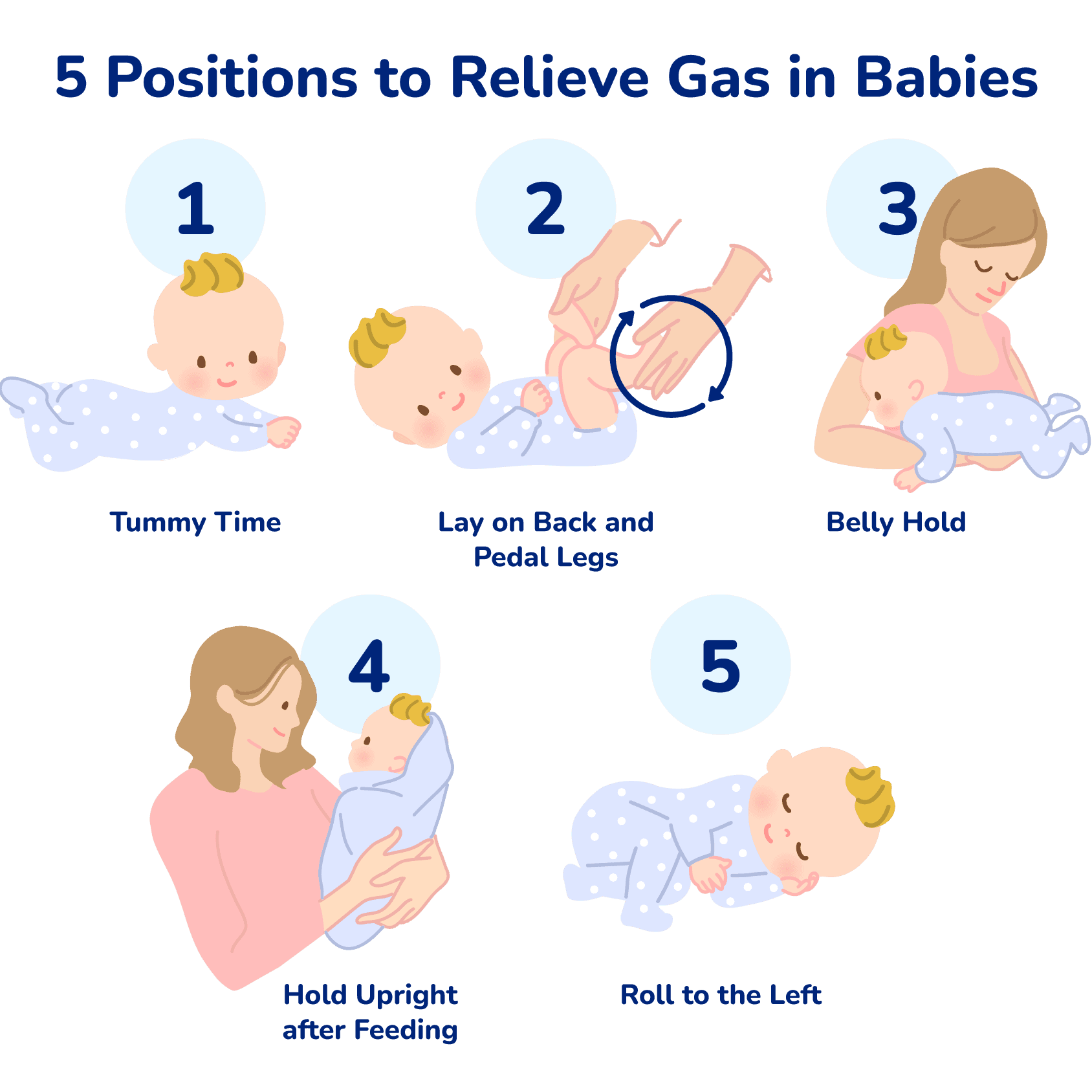
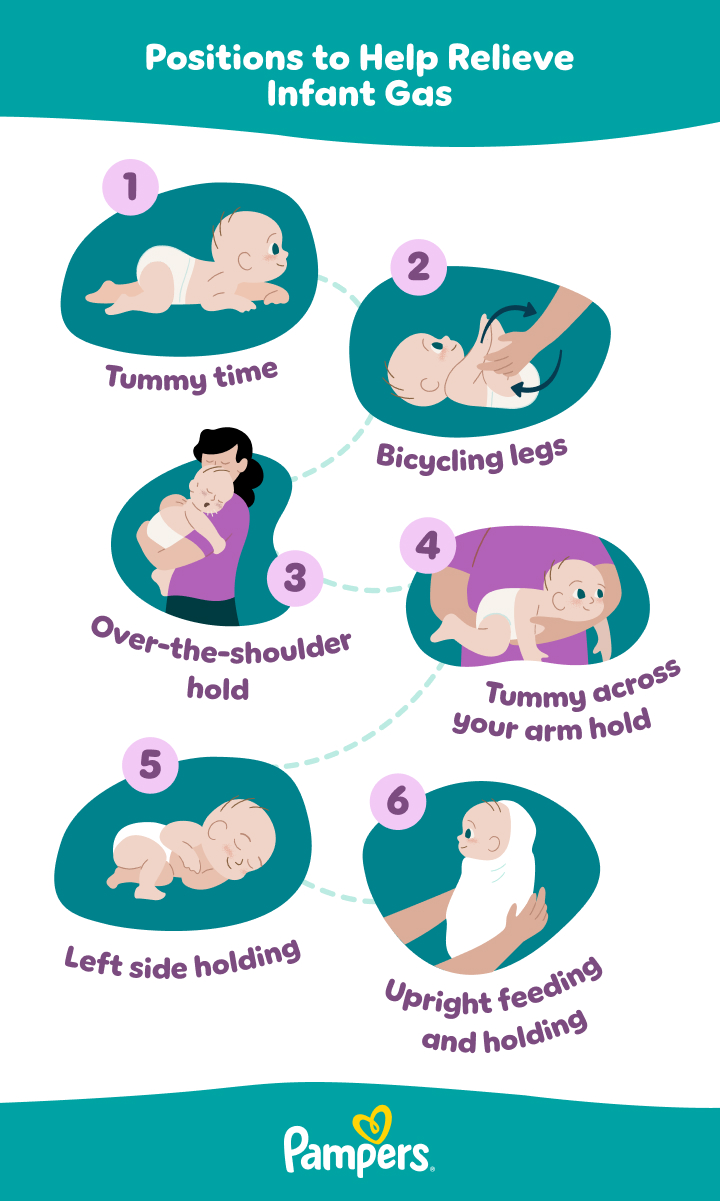
Burping your baby helps release trapped air in the stomach. Try burping after every feeding to reduce gas. Hold your baby upright against your chest or shoulder. Pat or rub their back gently. Experiment with different positions to find what works best.
Gentle Tummy Massage
A soft tummy massage can relax your baby’s muscles and ease gas pain. Use your fingertips to make small circles on the belly. Move in a clockwise direction, following the path of the intestines. Keep pressure light and gentle. This method helps move gas along the digestive tract.
Warm Compress Application
Applying warmth to the baby’s tummy can soothe discomfort from gas. Use a warm (not hot) cloth or a heating pad wrapped in a towel. Place it on the baby’s belly for a few minutes. The warmth relaxes muscles and improves blood flow. Always check the temperature to avoid burns.
Home Remedies And Natural Solutions
Newborn gas can cause discomfort and fussiness. Many parents prefer gentle, natural ways to ease their baby’s tummy troubles. Home remedies offer safe, simple options. These methods support digestion and calm gas pain without harsh chemicals or medicines.
Natural solutions often involve soothing herbs, good bacteria, and diet changes. These approaches help the baby’s digestive system work better. They also promote overall comfort and well-being for your little one.
Herbal Remedies Safe For Babies
Certain herbs can calm a baby’s stomach. Chamomile tea, in very small amounts, soothes gas and colic. Fennel seeds help relax the intestines and reduce bloating. Always consult a pediatrician before trying herbs. Use mild, baby-safe doses to avoid risks.
Probiotics For Digestion
Probiotics are good bacteria that aid digestion. They balance the gut flora and reduce gas buildup. Some baby formulas include probiotics for this reason. You can also ask your doctor about probiotic drops. These can help improve your newborn’s digestive health.
Adjusting Baby’s Diet
For breastfed babies, mothers can watch their own diet. Avoiding gas-causing foods may reduce baby’s discomfort. For formula-fed babies, switching formulas might help. Feeding smaller amounts more often can also ease digestion. Keep feeding routines calm and gentle to support digestion.
When To Seek Medical Advice
Knowing when to seek medical advice for newborn gas relief is important. Most babies have gas and fussiness. Usually, it is normal and passes quickly. Some signs show a need for medical help. Pay attention to how your baby acts and feels.
Persistent Symptoms
Watch for symptoms that last a long time. If your baby cries for many hours daily, it may be serious. Gas pain that does not improve after feeding can be a concern. Persistent vomiting or refusal to eat needs attention. These signs suggest your baby may need a doctor.
Signs Of Allergies
Some babies have allergies causing gas and discomfort. Look for rashes on the skin or swelling of the face. Wheezing or trouble breathing can be allergy signs. Diarrhea or blood in the stool also needs checking. Allergies require medical care to avoid complications.
Other Health Concerns
Gas can sometimes hide other health issues. Fever higher than 100.4°F (38°C) is a warning sign. Unusual sleepiness or difficulty waking your baby is serious. If your baby’s belly is hard or swollen, get help. These symptoms need prompt medical evaluation.
Preventing Gas In Newborns
Preventing gas in newborns helps keep babies comfortable. Gas can cause fussiness and crying. Simple changes in feeding and care reduce gas buildup. Small steps make a big difference for your baby’s comfort.
Feeding Routine Adjustments
Feed your baby slowly to avoid gulping air. Offer smaller, more frequent feedings to ease digestion. Burp your baby often during and after feeding. Watch your baby’s cues for hunger and fullness. A steady feeding pace helps reduce gas pain.
Avoiding Air Swallowing
Keep your baby’s head higher than their stomach while feeding. Use bottles with anti-colic nipples to limit air intake. Check the latch if breastfeeding to ensure a good seal. Avoid distractions that make your baby gulp air. Proper feeding technique lowers swallowed air and gas.
Creating A Calm Feeding Environment
Feed your baby in a quiet, dim room. Minimize noise and bright lights that can stress your baby. Hold your baby close to feel safe and secure. Calm surroundings promote slow and peaceful feeding. A relaxed baby swallows less air and digests better.
Frequently Asked Questions
What Causes Gas In Newborn Babies?
Newborns swallow air during feeding or crying, causing gas buildup. Immature digestion and formula ingredients can also contribute to gas discomfort.
How Can I Relieve My Newborn’s Gas Pain?
Burp your baby frequently during feedings. Gentle tummy massages and bicycling baby’s legs help release trapped gas effectively.
Is It Normal For Newborns To Have Gas?
Yes, gas is common in newborns as their digestive systems develop. Most babies outgrow gas issues by 3-4 months.
When Should I See A Doctor For Newborn Gas?
Consult a doctor if your baby shows severe discomfort, vomiting, diarrhea, or poor weight gain alongside gas symptoms.
Conclusion
Babies often feel upset due to gas pain. Simple steps can ease their discomfort quickly. Gentle tummy massages and proper feeding help a lot. Holding your baby upright after feeding also works well. Remember, patience and care make a big difference.
Every baby is unique; find what suits yours best. Keep a calm and loving approach always. Your efforts help your newborn feel better each day. Gas relief is possible with small, kind actions. Stay attentive and enjoy these precious early moments.



Sustain the excellent work and producing in the group!
The articles you write help me a lot and I like the topic