Feeding your newborn can feel overwhelming, especially when you’re unsure about the best way to hold your baby. The right feeding position makes a huge difference—not just for your baby’s comfort, but for your own ease and confidence.
If you want to avoid common struggles like fussiness, gas, or sore nipples, discovering the perfect position is key. You’ll learn simple, effective newborn feeding positions that help you and your baby enjoy feeding time more. Keep reading to find the techniques that will make every feed smoother and more comfortable for both of you.
:max_bytes(150000):strip_icc()/common-breastfeeding-positions-431648_final-73bc9a2330874843b4d7e2650220b6ec.png)
Choosing The Right Position
Choosing the right feeding position helps both mother and baby feel comfortable. It supports good latch and reduces strain. The right hold can make feeding calm and enjoyable. Each position suits different needs and situations. Trying different holds helps find the best fit.
Cradle Hold Basics
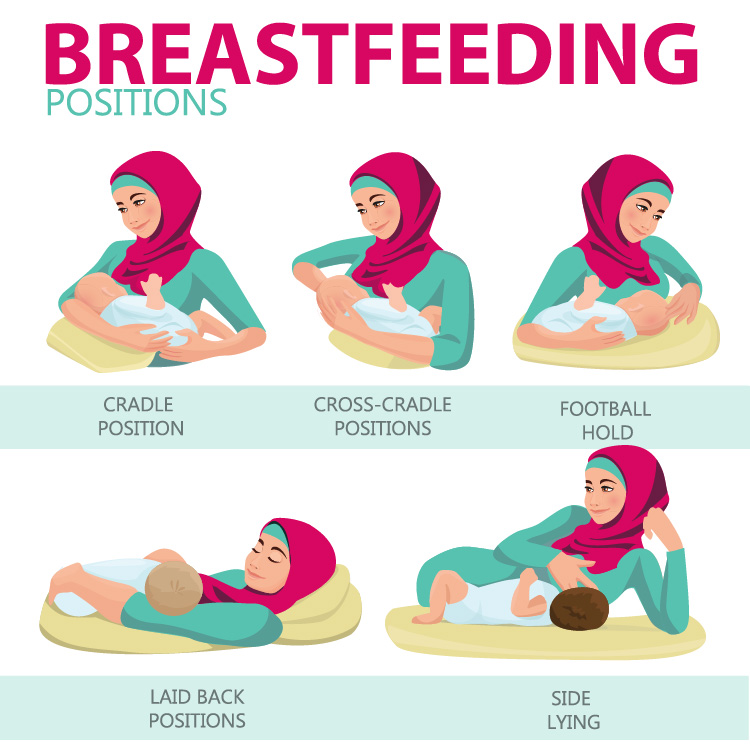
The cradle hold is the most common feeding position. Hold your baby with their head resting in the crook of your arm. Support the baby’s body with your forearm and hand. Keep baby’s tummy facing yours for easy latching. This position feels natural and helps you relax.
Football Hold Benefits
The football hold supports the baby under your arm. Tuck the baby’s body along your side, like a football. Use your hand to guide the baby’s head to the breast. This hold works well for mothers who had a C-section. It also helps mothers with large breasts or small babies.
Side-lying Comfort
Side-lying position allows feeding while lying down. Lie on your side with your baby facing you. Use pillows to support your back and baby’s body. This position is great for night feeds or tired mothers. It lets both of you rest during feeding time.
Ensuring Baby’s Comfort
Ensuring your baby feels comfortable during feeding is very important. Comfort helps your baby feed well and stay calm. Proper positions reduce fussiness and make feeding times peaceful. Focus on gentle support and careful adjustments. These small actions make a big difference.
Supporting The Head And Neck
Always support your baby’s head and neck with your hand or arm. Their muscles are still weak and need steady support. Keep the head slightly tilted back to help swallowing. Avoid pushing the head forward or letting it flop sideways. A well-supported head helps your baby breathe and feed easily.
Maintaining Proper Latch
A good latch is key for comfort and effective feeding. Make sure your baby’s mouth covers both the nipple and part of the areola. Lips should be flanged out, not tucked in. Watch for gentle sucking and no pain. A proper latch prevents nipple soreness and helps your baby feed fully.
Adjusting For Baby’s Size
Babies come in different sizes and shapes. Adjust your hold and position to fit your baby’s size. Use pillows or cushions to raise your baby to breast level. Keep your baby close and well-supported. Small changes help your baby feel safe and relaxed during feeding.
Tips For Mom’s Comfort
Comfort is key for moms during newborn feeding times. Staying relaxed helps both mom and baby enjoy the feeding experience. Simple changes can ease tension and make feeding easier. Focus on ways to support your body and reduce pain.
Using Pillows And Supports
Pillows can lift your baby to a good height. This reduces strain on your arms and neck. Use a breastfeeding pillow or a regular cushion. Place it under your baby or your arm. Supports help keep your baby close without extra effort.
Finding A Relaxing Spot
Choose a quiet, comfortable place to feed your baby. Sit in a chair with good back support. Avoid soft couches that make you slump. Keep your feet flat on the floor or use a footstool. A calm spot helps you focus and stay relaxed.
Managing Back And Shoulder Strain
Keep your shoulders relaxed and down. Avoid leaning forward or hunching over your baby. Change positions often to prevent stiffness. Stretch your arms and back gently between feedings. Small breaks can reduce muscle pain and tension.
Common Challenges And Solutions
Newborn feeding can bring many challenges for parents. Some issues are common and can be solved with simple steps. Understanding these problems helps parents feed their babies more comfortably. Here are some typical challenges and ways to handle them.
Dealing With Fussiness
Babies may fuss during feeding for many reasons. They might be tired, hungry, or need a break. Try holding your baby close and speaking softly. Change feeding positions if your baby seems uncomfortable. Burp your baby often to reduce gas pain. Keep the environment calm and quiet to help your baby relax.
Overcoming Latch Difficulties
A poor latch causes pain and poor feeding for both mother and baby. Ensure your baby’s mouth covers most of the areola, not just the nipple. Try different positions to find the best latch. Gently guide your baby’s head and body towards the breast. Seek advice from a lactation consultant if problems continue. A good latch improves feeding and comfort.
Handling Milk Flow Issues
Milk flow can be too fast or too slow, causing feeding troubles. If the flow is fast, feed your baby in a more upright position. This slows down the milk and helps prevent choking. For slow flow, stimulate milk letdown by massaging your breast. Express a little milk before feeding to start the flow. Patience and practice can balance milk flow over time.
When To Seek Help
Knowing when to seek help with newborn feeding is very important. Feeding can be challenging for new parents. Sometimes, problems arise that need expert advice. Early action can make feeding easier and safer for both baby and parent.
Signs Of Feeding Problems
Watch for signs that feeding is not going well. Baby may be fussy during feeds or refuse the breast or bottle. Poor latch or painful feeding is a red flag. Baby might not seem satisfied after feeding or may fall asleep quickly. Look for fewer wet diapers or slow weight gain. These signs mean help is needed.
Consulting Lactation Experts
Lactation experts help with breastfeeding challenges. They guide on correct feeding positions and techniques. Experts can show how to fix latch issues and ease pain. Consulting them early can prevent bigger problems. Many hospitals and clinics offer lactation support.
Tracking Baby’s Growth
Regularly check your baby’s weight and growth. Consistent weight gain shows baby is feeding well. Growth charts help track progress over time. If growth slows or stops, seek medical advice. Doctors can assess feeding and health to support your baby.

Frequently Asked Questions
What Are The Best Newborn Feeding Positions?
The best newborn feeding positions include cradle hold, football hold, and side-lying. These positions ensure comfort, proper latch, and effective milk flow. Each position supports baby’s head and body alignment to promote safe and efficient feeding.
How Do Feeding Positions Affect Breastfeeding Success?
Proper feeding positions help babies latch well, reducing nipple pain and improving milk transfer. Good positioning also prevents choking and enhances baby’s comfort, leading to a positive breastfeeding experience for both mother and newborn.
Can Feeding Positions Help With Colic Or Gas?
Yes, certain feeding positions like the upright or football hold can reduce colic and gas. These positions help keep air bubbles away from the stomach, easing digestion and minimizing discomfort for newborns during and after feeding.
How Often Should I Change Newborn Feeding Positions?
It’s beneficial to change feeding positions every few minutes or between feedings. This helps prevent nipple soreness and promotes even breast drainage. Switching positions also keeps the baby engaged and comfortable during feeding sessions.
Conclusion
Choosing the right newborn feeding position helps both baby and parent feel comfortable. Each position offers unique benefits for feeding and bonding. Try different ways to find what suits you best. Watch your baby’s cues to know when they are full or hungry.
Remember, patience and practice improve feeding time. Enjoy these quiet moments with your little one. Feeding is more than just nutrition; it builds love and trust. Keep learning and adapting as your baby grows. Every feeding is a step toward a healthy, happy baby.