If you’re a parent, seeing your newborn with diarrhea can be scary and confusing. You want to know exactly what’s causing it and how to help your baby feel better fast.
Understanding the common reasons behind newborn diarrhea can give you peace of mind and guide you on the best steps to take. You’ll discover the key causes of newborn diarrhea, what signs to watch for, and when it’s time to seek medical help.
Keep reading to protect your little one and ease your worries.
Common Causes
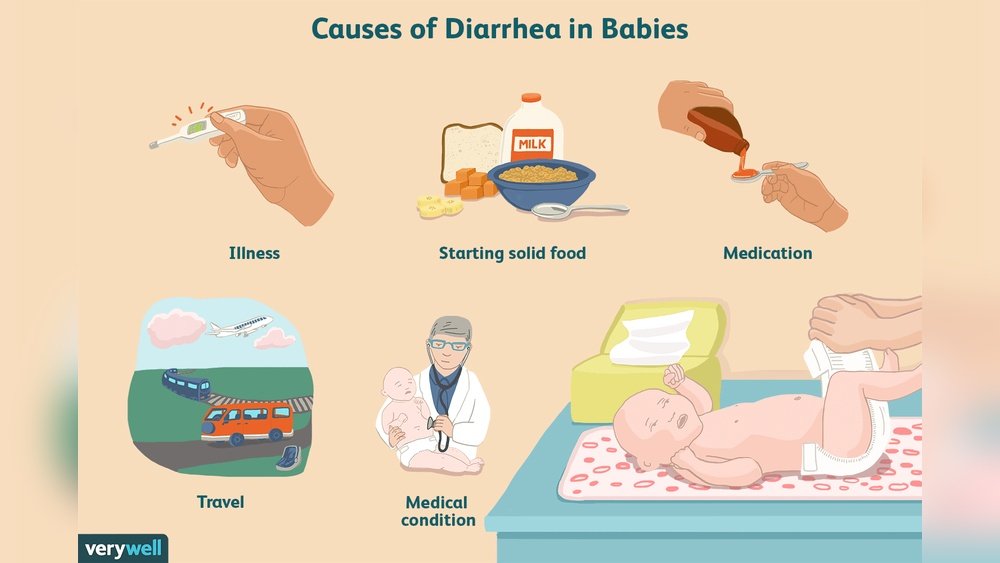
Newborn diarrhea can worry many parents. Knowing common causes helps to act fast. Diarrhea happens when the baby’s digestive system reacts to certain triggers. These triggers can be infections, food issues, or medicine effects. Understanding these causes can guide parents to better care for their baby.
Infections And Viruses
Infections are a top cause of diarrhea in newborns. Viruses like rotavirus often cause stomach upset. Bacteria and parasites can also lead to diarrhea. These germs enter the baby’s body through dirty hands or unclean objects. Babies have weak immune systems, so infections spread quickly. Watching for signs like fever and irritability is important.
Food Intolerances
Food intolerance happens when a baby’s body cannot digest certain foods. Some babies react to cow’s milk or formula ingredients. This reaction causes loose stools or diarrhea. Breastfed babies might react to something in the mother’s diet. Changing foods or formulas can help stop diarrhea. A doctor can guide safe feeding choices for the baby.
Antibiotic Effects
Antibiotics fight infections but can upset the baby’s gut. These medicines kill both bad and good bacteria. The loss of good bacteria can cause diarrhea. This side effect is common in newborns taking antibiotics. Probiotics or special diets may help restore healthy gut bacteria. Always follow the doctor’s advice on medicine use.

Symptoms To Watch
Newborn diarrhea needs close attention. Early signs help parents act fast. Knowing what to watch can protect your baby’s health. Symptoms may appear in different ways. Some are easy to spot, others less clear.
Signs Of Dehydration
Dehydration is a serious risk with diarrhea. Look for dry mouth and no tears when crying. Sunken eyes and soft spot on the head are warning signs. Fewer wet diapers than usual means less fluid intake. A weak or fast heartbeat can also happen.
Changes In Stool
Diarrhea causes stool to become loose and watery. More frequent bowel movements than normal is common. Bright green or yellow stool may appear. Blood or mucus in stool needs urgent care. Sudden stool smell changes can be a clue.
Behavioral Indicators
Babies may act different during illness. Excessive fussiness or unusual quietness can signal trouble. Poor feeding or refusal to eat is a concern. Sleep pattern changes, like sleeping too much or too little. Watch for signs of discomfort or pain.
When To Seek Help
Newborn diarrhea can be worrying for parents. Knowing when to seek help protects your baby’s health. Some signs show the need for quick medical attention. Other times, a pediatrician’s advice can guide you safely. Understanding these moments helps you act fast and wisely.
Emergency Signs
Watch for signs like constant crying or unusual sleepiness. If your baby has a fever over 100.4°F (38°C), act fast. Look for signs of dehydration such as dry mouth or fewer wet diapers. Blood or mucus in the stool needs immediate care. Vomiting and diarrhea at the same time can be dangerous. These signs mean your baby needs urgent medical help.
Consulting A Pediatrician
Call your pediatrician if diarrhea lasts more than 24 hours. Seek advice if your baby refuses to eat or drink. Changes in behavior or unusual fussiness also need checking. The doctor can identify the cause and suggest treatment. Early consultation prevents complications and eases your worries.
Prevention Tips
Preventing newborn diarrhea is crucial for your baby’s health. Simple steps can lower the risk. Focus on keeping your baby safe from infections and harmful germs. Proper care helps your baby grow strong and healthy.
Hygiene Practices
Wash your hands before touching the baby or feeding. Clean all baby items like bottles and pacifiers regularly. Keep the diaper area clean and dry. Avoid close contact with sick people. Use clean water to prepare formula or wash toys.
Safe Feeding Habits
Breastfeed if possible. Breast milk has natural protection against infections. Sterilize bottles and nipples before use. Prepare formula according to instructions. Do not share spoons or cups with the baby. Avoid introducing solid foods too early.
Vaccination Importance
Vaccines protect your baby from serious infections. Follow the vaccination schedule given by your doctor. Vaccines reduce the risk of diarrhea caused by germs. Keep records of all immunizations. Consult your healthcare provider for any questions.
Treatment Options
Treating newborn diarrhea requires careful attention. The right approach helps your baby feel better quickly. Treatment focuses on easing symptoms and preventing dehydration. It also aims to address the cause of diarrhea. Here are some common treatment options for newborn diarrhea.
Home Remedies
Breastfeeding is important during diarrhea. It provides nutrients and helps fight infections. Offer small, frequent feeds to keep your baby nourished. Avoid giving water or juice without a doctor’s advice. Keep your baby’s diaper area clean and dry. This prevents skin irritation and rash. Watch for signs of dehydration or worsening symptoms.
Medical Treatments
Doctors may suggest medications if needed. Antibiotics are only used for bacterial infections. Never give medicine without a doctor’s approval. Probiotics might help restore healthy gut bacteria. In some cases, special formulas may be recommended. Always follow the healthcare provider’s instructions closely. Regular check-ups ensure your baby is recovering well.
Managing Hydration
Hydration is critical during diarrhea. Newborns lose fluids quickly and must stay hydrated. Oral rehydration solutions (ORS) can replace lost fluids and salts. Avoid sugary drinks or sodas for your baby. Monitor your baby’s urine output and alertness. Seek medical help if your baby shows signs of dehydration. Proper hydration supports faster healing and comfort.


Frequently Asked Questions
What Are The Common Causes Of Newborn Diarrhea?
Newborn diarrhea is often caused by infections, feeding issues, or allergies. Viruses like rotavirus are common. Contaminated formula or improper hygiene can also lead to diarrhea.
How Can Feeding Affect Newborn Diarrhea?
Feeding problems like lactose intolerance or formula sensitivity can cause diarrhea. Overfeeding or introducing new foods too early may also upset a newborn’s digestion.
When Should I Worry About Newborn Diarrhea?
Seek medical help if diarrhea lasts more than 24 hours, has blood, or causes dehydration. Fever and lethargy are also warning signs needing urgent care.
Can Infections Cause Diarrhea In Newborns?
Yes, viral and bacterial infections are frequent causes. Rotavirus and E. coli infections are common. Proper hygiene and vaccinations help prevent these infections.
Conclusion
Newborn diarrhea can worry any parent. Causes vary from infections to feeding issues. Early care helps keep your baby safe. Watch for signs like dehydration and fever. Quick action can prevent serious problems. Always ask a doctor if symptoms last.
Understanding causes helps you protect your newborn. Keep your baby clean and well-fed. Stay calm and informed for your child’s health.