As a parent, nothing matters more than your newborn’s health. But sometimes, subtle signs can signal that your baby is not getting enough fluids.
Dehydration in newborns can happen quickly and may lead to serious problems if missed. Do you know what to look for? You’ll discover the clear, easy-to-spot signs of newborn dehydration. Understanding these clues early can help you act fast and keep your baby safe and healthy.
Keep reading to learn exactly what to watch for and how to protect your little one.

Causes Of Newborn Dehydration
Newborn dehydration happens when a baby loses too much fluid or does not get enough to drink. Babies can become dehydrated quickly because their bodies have less water than adults. Understanding the causes helps parents protect their newborns from this risk.
Common Reasons For Fluid Loss
Babies lose water through sweating, breathing, and urine. High temperatures or warm rooms make babies sweat more. Diarrhea and vomiting cause quick fluid loss. These factors reduce the body’s water supply fast. Babies cannot tell when they are thirsty.
Impact Of Illnesses
Illnesses like fever, diarrhea, and infections increase dehydration risk. Fever makes the body lose water faster. Stomach bugs cause vomiting and diarrhea, leading to fluid loss. Some infections stop babies from feeding well. Illness weakens the body’s ability to hold water.
Feeding Challenges
Breastfeeding or bottle-feeding problems can cause dehydration. If a baby does not feed often or well, fluid intake drops. Poor latch or low milk supply reduces feeding. Babies who are sleepy or sick may refuse food. Feeding troubles limit the water the baby gets daily.
Early Signs To Watch
Newborn dehydration can develop quickly. Spotting early signs helps protect your baby’s health. Watch carefully for subtle changes. Acting early can prevent serious problems.
Changes In Urine Output
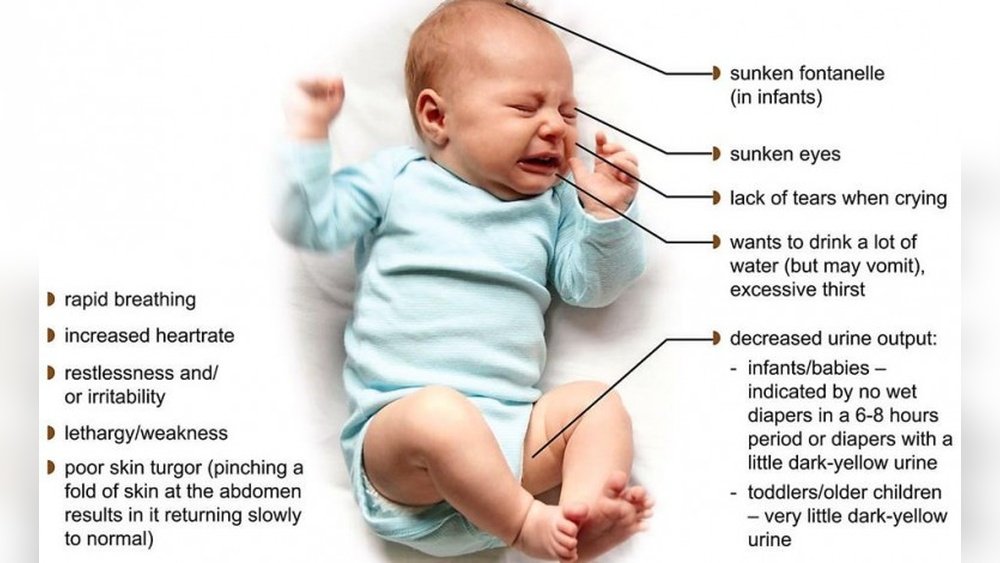
One early sign is less urine. Your baby should wet diapers often. Fewer wet diapers can mean dehydration. Count diaper changes daily. Dry diapers for several hours need attention.
Unusual Fussiness Or Sleepiness
A thirsty baby may cry more than usual. Fussiness that won’t stop is a warning. Too much sleepiness or difficulty waking is also a concern. These changes show your baby may need more fluids.
Dry Mouth And Lips
Check your baby’s mouth and lips. They should be moist and soft. Dry, cracked lips or a sticky mouth can signal dehydration. This sign is easy to notice and important to report.
Advanced Symptoms
Advanced symptoms of newborn dehydration show serious health risks. These signs need quick attention. They mean the baby’s body is losing too much water and electrolytes. Recognizing these symptoms can help protect your baby from severe illness.
Sunken Eyes And Fontanelle
Sunken eyes are a clear warning sign. The soft spot on the baby’s head, called the fontanelle, may also appear sunken. These changes happen because of fluid loss inside the body. They show the baby is very dehydrated and needs medical care fast.
Cool Or Blotchy Skin
The skin may feel cool to the touch. It can look blotchy or pale. This happens as the body tries to save water and reduce blood flow to the skin. Cool or blotchy skin is a serious symptom and must not be ignored.
Rapid Heartbeat And Breathing
The baby’s heart may beat faster than usual. Breathing can also become quick and shallow. These signs point to the body struggling to keep oxygen and fluids balanced. Rapid heartbeat and breathing need immediate medical evaluation.

Preventing Dehydration
Preventing dehydration in newborns is essential for their health and growth. Babies lose fluids quickly, so keeping them hydrated is a top priority. Understanding how to prevent dehydration helps parents care better for their little ones.
Ensuring Adequate Feeding
Feeding your baby often is important. Breast milk or formula provides the fluids needed. Newborns should feed at least every two to three hours. Watch for hunger signs like sucking or fussiness. Do not wait for a long time between feedings.
Make sure your baby is feeding well. Proper latch and sucking help with good milk intake. If your baby feeds poorly, talk to a healthcare provider. They can check for any feeding problems.
Monitoring Fluid Intake
Keep track of how much your baby drinks daily. Note the number of feedings and the duration. Wet diapers are a good sign of hydration. A newborn usually has six or more wet diapers each day. Fewer wet diapers may mean your baby needs more fluids.
Observe your baby’s mouth and skin. Dry lips or a sticky mouth may show dehydration. Check the skin by gently pinching it. If the skin stays up, your baby may be dehydrated.
Recognizing Risk Factors
Certain conditions increase the risk of dehydration. Fever, vomiting, or diarrhea can quickly cause fluid loss. Hot weather or dry air also raises the risk. Premature babies and those with illnesses need extra care.
Watch closely if your baby has any illness. Seek medical help if dehydration signs appear. Early attention can prevent serious problems.
When To Seek Medical Help
Recognizing when to seek medical help for a newborn showing signs of dehydration is crucial. Early action can prevent serious health issues. Parents must know the warning signs that need urgent attention. Understanding these signs helps protect the baby’s health.
Emergency Symptoms
Some symptoms require immediate medical care. Look for very dry mouth and lips. Sunken eyes or a sunken soft spot on the head are serious signs. If the baby cries without tears, it shows severe dehydration. Rapid breathing or a fast heartbeat are urgent signs. Also, if the baby is very sleepy or hard to wake, get help right away. These symptoms need emergency medical attention.
Guidelines For Parents
Watch your baby closely for any changes. Check diaper output; fewer wet diapers can mean dehydration. Notice if your baby is feeding less than usual. Keep track of any vomiting or diarrhea episodes. Stay calm and act quickly if symptoms worsen. Do not wait for symptoms to improve on their own. Early care can make a big difference.
Preparing For The Doctor Visit
Write down all symptoms you see in your baby. Note how long the symptoms have lasted. Keep a record of feeding and diaper changes. Bring any questions you have for the doctor. Take a family member or friend for support if possible. This helps ensure you don’t forget important details. Being ready will make the visit smoother.
:max_bytes(150000):strip_icc()/Parents-Dehydration_In_Babies_And_Young_Kids-Yurle-Villegas-Final-a56d031d15e74552ad50c77e60bd2535.jpg)
Home Care Tips
Taking care of a newborn showing signs of dehydration requires gentle and consistent home care. Parents and caregivers can support their baby’s recovery by focusing on simple, effective steps. These tips help keep the baby comfortable and hydrated during this sensitive time.
Maintaining Hydration
Offer breast milk or formula often. Small, frequent feedings can be easier for the baby to handle. Keep the baby calm during feedings to reduce fussiness. Avoid giving water unless a doctor says it is okay. Watch for fewer wet diapers, a sign your baby needs more fluids.
Comfort Measures
Keep the baby cool but not cold. Dress the baby in light clothing to prevent overheating. Use a damp cloth to gently wipe the baby’s face and hands. Hold the baby close to provide warmth and reassurance. Reduce noise and bright lights to create a calm environment.
Tracking Recovery
Check diaper output regularly to track hydration progress. Note changes in the baby’s behavior and mood. Record feeding times and amounts to share with your doctor. Look for improvement in skin softness and eye brightness. Contact a healthcare provider if symptoms worsen or do not improve.
Frequently Asked Questions
What Are Common Signs Of Newborn Dehydration?
Common signs include dry mouth, few wet diapers, sunken eyes, lethargy, and irritability. Early detection is crucial to prevent complications.
How Can I Prevent Dehydration In My Newborn?
Ensure regular feeding, monitor diaper output, and watch for thirst cues. Keep your baby hydrated, especially during illness or hot weather.
When Should I Seek Medical Help For Newborn Dehydration?
Seek help if your baby shows persistent dry mouth, no tears, sunken fontanelle, or reduced urination. Immediate care is essential for severe dehydration.
Can Dehydration Affect Newborn Feeding Habits?
Yes, dehydration can cause poor sucking and decreased feeding frequency. Prompt hydration helps maintain feeding patterns and overall health.
Conclusion
Recognizing newborn dehydration signs helps protect your baby’s health. Watch for fewer wet diapers, dry mouth, and sunken eyes. Acting fast can prevent serious problems. Keep your baby well hydrated with regular feeds. Always ask a doctor if you feel unsure or worried.
Staying alert keeps your newborn safe and comfortable. Small steps make a big difference in care.