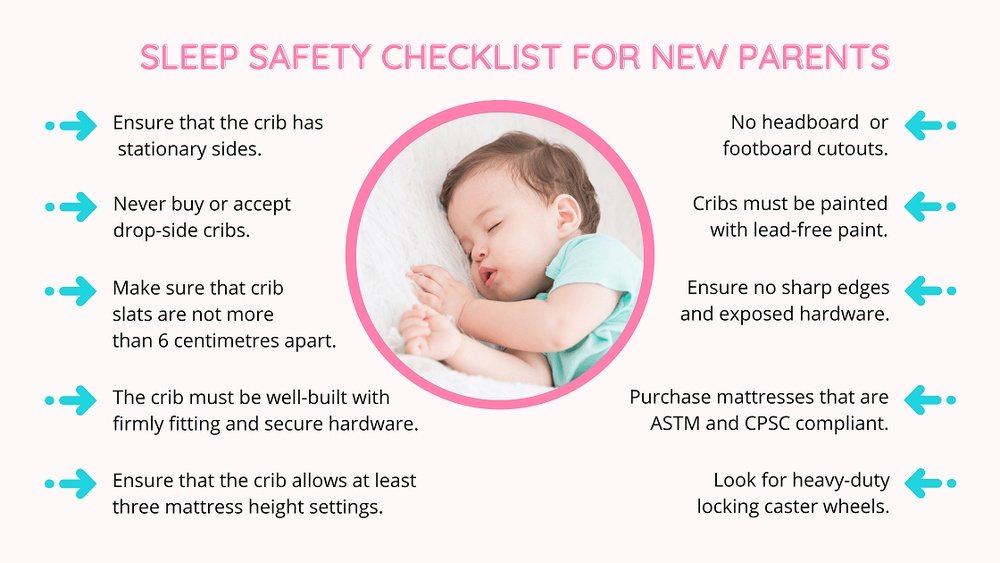
Bringing a newborn home is one of the most exciting moments in your life. But as you prepare your baby’s crib, safety should be your top priority.
You want to create a space where your little one can sleep soundly and securely. Are you sure your crib meets the latest safety standards? Small details can make a big difference in keeping your baby safe from harm. You’ll discover simple yet essential crib safety guidelines that every parent needs to know.
Keep reading to protect your newborn and gain peace of mind every night.

Choosing The Right Crib
Choosing the right crib is a key step for your newborn’s safety. The crib will be your baby’s first bed. It should be safe, sturdy, and comfortable. This choice helps prevent accidents and ensures peaceful sleep. Understanding what to look for makes the process easier.
Certified Safety Standards
Choose a crib that meets official safety rules. Look for certification from trusted groups. These rules check the crib’s structure and materials. They prevent hazards like sharp edges or gaps. A certified crib offers peace of mind for parents.
Material And Build Quality
Pick cribs made from strong, non-toxic materials. Solid wood or metal frames last longer and hold well. Avoid cribs with paint that can peel or chips. Smooth surfaces reduce the risk of splinters and injuries. Quality build means the crib stays safe over time.
Size And Design Options
Cribs come in many sizes and styles. Choose one that fits your space well. The design should allow easy access to your baby. Some cribs convert to toddler beds, saving money later. Simple designs usually offer better safety features.
Safe Sleep Environment
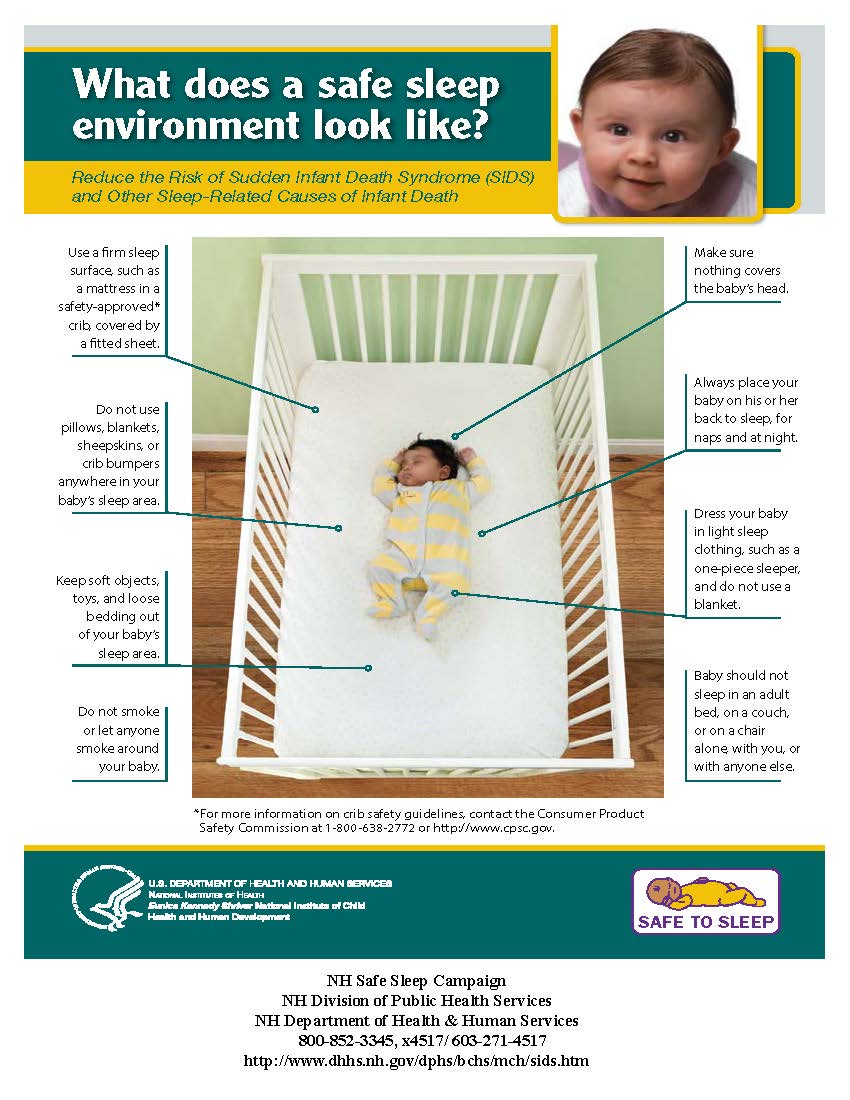
Creating a safe sleep environment is key to protecting your newborn. This space should reduce risks and help your baby rest well. A few important steps make this area secure and comfortable.
Proper Mattress Fit
Choose a mattress that fits the crib tightly. No gaps should exist between the mattress and crib sides. This prevents your baby from slipping or getting stuck. A firm mattress supports healthy sleep and reduces suffocation risk.
Removing Soft Bedding
Keep soft bedding out of the crib. Blankets, pillows, and stuffed toys can cause suffocation. Dress your baby in a sleep sack for warmth instead. A bare crib lowers the chance of accidents during sleep.
Optimal Room Temperature
Keep the room temperature between 68 and 72 degrees Fahrenheit. A cooler room helps your baby sleep better and avoids overheating. Use a fan or air conditioner to maintain steady airflow. Check the baby often to ensure comfort and safety.
Crib Placement Tips
Placing your newborn’s crib correctly is key to their safety and comfort. The right spot helps avoid accidents and keeps your baby calm. This section covers essential tips for safe crib placement in your home.
Avoiding Hazards Nearby
Keep the crib away from items that could fall or cause harm. Avoid placing it near shelves or heavy pictures. Check for loose wires, sharp edges, or small objects within reach. Clear the area to prevent accidents and choking risks.
Safe Distance From Windows And Cords
Windows pose risks like drafts and cords from blinds. Place the crib at least three feet away from windows. Ensure no cords or strings hang near the crib. This prevents strangulation and keeps the baby safe from cold air or sunlight.
Ideal Room Location
Choose a quiet spot with good air flow for the crib. Avoid areas near heaters, air conditioners, or fans. A spot with soft lighting helps your baby sleep better. Make sure the crib is easy for you to access during the night.
Regular Maintenance Checks
Regular maintenance checks keep your newborn’s crib safe and sturdy. These checks help spot problems early. They ensure the crib stays secure for your baby.
Inspecting For Loose Parts
Check all screws and bolts often. Tighten any that feel loose. Loose parts can cause the crib to wobble. This can be dangerous for your baby. Look at the mattress support and side rails carefully.
Cleaning And Hygiene
Clean the crib regularly with mild soap and water. Avoid harsh chemicals that may harm your baby. Wipe down all surfaces to remove dust and dirt. Clean sheets and mattress covers often. A clean crib reduces the risk of allergies and infections.
Replacing Worn Components
Look for broken or cracked parts during each check. Replace any damaged slats, screws, or mattress supports. Worn components can cause the crib to fail. Use only parts made for your crib model. This keeps the crib safe and strong.
Additional Safety Accessories
Keeping your newborn safe in the crib is a top priority. Some accessories can help improve safety. Choose items that reduce risks and support good sleep habits. Understand how each accessory works to protect your baby.
Breathable Bumpers
Breathable bumpers are soft pads that fit around the crib sides. They help prevent baby’s arms and legs from getting stuck between crib slats. Made from mesh fabric, they allow air to flow freely. This lowers the risk of suffocation. Avoid thick, padded bumpers that block airflow. Always check that breathable bumpers fit snugly and securely.
Sleep Sacks Vs Blankets
Sleep sacks are wearable blankets that keep babies warm without loose fabric. Loose blankets can cover a baby’s face and cause breathing problems. Sleep sacks stay in place and reduce the risk of overheating. They come in different thicknesses for various room temperatures. Choose a sleep sack suitable for your baby’s size and the season. Avoid using traditional blankets inside the crib.
Monitoring Devices
Monitoring devices help parents keep an eye on their baby’s safety. Some track breathing, movement, or sound. They provide alerts if something seems wrong. Use monitors as a backup, not a replacement for safe crib practices. Place devices so they do not pose a risk to the baby. Always follow manufacturer instructions for safe use.

Frequently Asked Questions
What Are The Essential Newborn Crib Safety Features?
Essential crib safety features include sturdy construction, fixed sides, and proper slat spacing (less than 2 3/8 inches). Avoid drop-side rails and ensure the mattress fits snugly without gaps to prevent suffocation or entrapment risks for newborns.
How To Choose A Safe Mattress For Newborn Cribs?
Choose a firm, flat mattress that fits the crib perfectly. Avoid soft, plush mattresses or loose bedding. A tight-fitting mattress reduces suffocation risks and supports safe sleep, complying with recommended newborn crib safety guidelines.
Why Avoid Pillows And Blankets In Newborn Cribs?
Pillows and blankets increase the risk of suffocation and Sudden Infant Death Syndrome (SIDS). For newborn safety, keep cribs free from soft bedding, toys, and loose items to ensure a safe sleeping environment.
How Often Should I Inspect My Newborn’s Crib?
Inspect your newborn’s crib monthly for loose screws, broken parts, or gaps. Regular checks prevent accidents and maintain compliance with safety standards, ensuring the crib remains safe and secure.
Conclusion
Safe sleep starts with a proper crib setup. Follow all guidelines carefully. Check for sturdy construction and no loose parts. Use a firm mattress that fits snugly. Keep pillows, toys, and blankets out of the crib. Always place your newborn on their back to sleep.
Regularly inspect the crib for wear or damage. These steps help reduce risks and keep your baby safe. A secure crib supports healthy sleep and peace of mind. Your careful attention makes all the difference.


