If your newborn is struggling with constipation, you know how worrying and uncomfortable it can be for both of you. You want to help your little one feel relief fast, but you might not know the safest or most effective ways to do it.
This guide is here to give you simple, gentle remedies that can ease your baby’s discomfort. Keep reading to discover easy steps you can take right now to support your newborn’s digestive health and bring back those happy, peaceful moments you both deserve.
Causes Of Newborn Constipation
Newborn constipation can worry parents. Understanding the causes helps in managing it well. Constipation happens when babies have fewer bowel movements or hard stools. Several factors affect a newborn’s digestion and stool patterns.
Dietary Factors
What a baby eats plays a big role. Breast milk usually keeps stools soft and easy to pass. Formula-fed babies may have firmer stools. Some formulas can cause constipation more than others. Introducing solid foods too early might also cause constipation.
Dehydration
Babies need enough fluids to stay hydrated. Lack of fluids can make stools hard and dry. Newborns can get dehydrated if they do not feed well. Illness or hot weather can increase fluid loss. Keeping your baby well-hydrated helps prevent constipation.
Medical Conditions
Some medical issues can cause constipation in newborns. Conditions like hypothyroidism or digestive problems affect bowel movements. Rarely, blockages or nerve problems may be the cause. Always check with a pediatrician if constipation lasts long. Early diagnosis helps in proper treatment.
Signs To Watch For
Recognizing signs of newborn constipation is important for early care. Babies cannot tell us when they feel discomfort. Parents must watch for clear signals that show a problem.
Changes In Bowel Movements
Notice how often your baby poops. Fewer bowel movements than usual can signal constipation. Stools may become hard, dry, or lumpy. A baby who strains or cries during poop time might be constipated. Keep track of these changes daily.
Discomfort And Fussiness
Constipated babies often feel uneasy. They may cry more than normal or seem restless. Watch for signs like arching their back or pulling their legs up. Fussiness after feeding can also be a sign. These behaviors suggest your baby might be in pain.
Physical Symptoms
Look for a swollen belly or tight tummy. Your baby’s abdomen may feel hard when touched. Sometimes, there is a visible bulge near the belly button. Poor appetite and less wet diapers can also occur. These symptoms need attention to help your baby feel better.
Safe Home Remedies
Newborn constipation can worry parents a lot. Safe home remedies help ease your baby’s discomfort gently. These natural methods support healthy digestion and bowel movements. They are easy to do and safe for your little one.
Hydration Tips
Keeping your baby hydrated is key. Breast milk or formula provides most fluids. For babies over six months, small sips of water can help. Proper hydration softens stool and promotes regular bowel movements.
Gentle Tummy Massage
Massaging your baby’s tummy can relieve constipation. Use gentle, circular motions with clean hands. Massage clockwise to follow the bowel’s natural path. This encourages movement and eases gas and discomfort.
Warm Bath Benefits
A warm bath relaxes your baby’s muscles and soothes the belly. Warm water helps soften the stool inside. Spending 10-15 minutes in a bath can aid digestion and ease bowel movements.

Diet Adjustments For Breastfed Babies
Diet changes can help ease constipation in breastfed newborns. Adjusting what the mother eats and how often the baby feeds can make a big difference. Small changes often bring quick relief. Understanding these simple steps helps both mother and baby feel better.
Mother’s Diet Impact
The mother’s diet affects the baby’s digestion. Eating more fruits and vegetables adds fiber to breast milk. Fiber helps the baby’s stools stay soft and easy to pass. Drinking plenty of water also improves milk quality. Avoiding too much dairy and processed foods can reduce constipation risks.
Feeding Frequency
Feeding the baby more often encourages regular bowel movements. Smaller, frequent feeds keep the digestive system active. This helps prevent stool from becoming hard and dry. Watch the baby’s hunger cues and feed accordingly. Consistent feeding times create a healthy routine for digestion.
Introducing Liquids
Sometimes extra fluids help clear constipation. Offering small amounts of water between feeds can soften stools. Avoid giving juice unless a doctor recommends it. Water supports hydration and gentle digestion in newborns. Always check with a healthcare provider before adding liquids.
Formula-fed Baby Tips
Formula feeding can sometimes cause constipation in newborns. Simple tips help ease discomfort and improve digestion. Knowing how to choose, prepare, and add fluids can support your baby’s health.
Choosing The Right Formula
Select a formula designed for sensitive tummies. Some formulas contain added fiber or prebiotics. These ingredients help soften stools and promote regular bowel movements. Always check with your pediatrician before switching formulas. Avoid formulas with high iron levels, which can worsen constipation.
Proper Preparation
Follow the instructions on the formula package exactly. Use the right water temperature and measure powder accurately. Too much powder can cause thick formula, leading to constipation. Mix well until the powder fully dissolves. Clean bottles and nipples thoroughly to prevent infections.
Supplemental Fluids
Offer small amounts of water between feedings if your baby is over six weeks old. Water helps soften the stool and reduce constipation. Avoid juices unless your doctor recommends them. Too much fluid can upset your baby’s digestion. Keep a close eye on how your baby reacts to extra fluids.
When To See A Doctor
Knowing when to see a doctor for newborn constipation is very important. Many babies have mild constipation that clears up quickly. Some signs mean it is time to get medical advice. This helps keep your baby safe and healthy.
Persistent Symptoms
Constipation lasting more than a few days needs attention. If your baby strains or cries with every bowel movement, watch closely. Hard, dry stools that do not improve with home care are a concern. Keep track of how often your baby passes stool. Persistent symptoms may show a need for a doctor’s visit.
Signs Of Serious Issues
Look for blood in the stool or black, tarry stools. These signs suggest a possible problem inside the intestines. A swollen belly or vomiting with constipation is serious. If your baby is very sleepy or not feeding well, seek help. Such symptoms can mean more than simple constipation.
Emergency Situations
Call a doctor immediately if your baby has a hard belly and cries nonstop. Sudden refusal to eat, severe vomiting, or a fever above 100.4°F (38°C) needs urgent care. If your baby looks pale or very weak, do not wait. Emergency situations require quick medical attention for newborns.
Frequently Asked Questions
What Are Common Signs Of Newborn Constipation?
Newborn constipation signs include hard, dry stools and infrequent bowel movements. Babies may strain, cry, or show discomfort. A swollen belly or less appetite can also indicate constipation. Recognizing these signs early helps in timely remedies and prevents complications.
How Can I Relieve My Newborn’s Constipation Naturally?
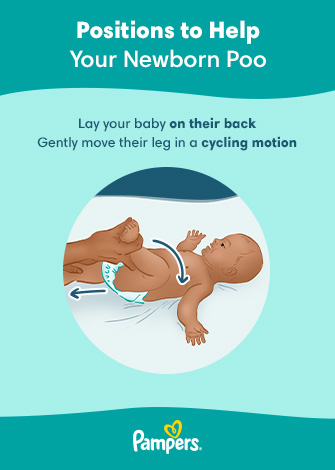
To relieve newborn constipation naturally, try gentle tummy massages and bicycle leg exercises. Ensure your baby stays hydrated with breast milk or formula. For formula-fed babies, consult your pediatrician about possible formula changes. Avoid giving solid foods or laxatives without medical advice.
When Should I Consult A Doctor For Newborn Constipation?
Consult a doctor if constipation lasts more than a week or if your baby shows severe pain. Seek medical help if stools contain blood, your baby vomits, or has a swollen abdomen. Early medical advice ensures proper treatment and rules out underlying conditions.
Can Feeding Changes Help With Newborn Constipation?
Yes, feeding changes can help. Breastfed babies rarely get constipated, but formula-fed babies might benefit from a different formula. Introducing small amounts of water or diluted fruit juice after four months can aid bowel movements. Always consult your pediatrician before making feeding changes.
Conclusion
Newborn constipation can worry many parents. Simple home remedies often ease discomfort quickly. Gentle tummy massages and warm baths help. Offering plenty of fluids supports digestion well. Always watch for signs that need a doctor. Consistent care makes a big difference over time.
Your baby can feel better with patience and love. Keep trying gentle methods before seeking medical advice. Healthy digestion starts early and helps your baby grow strong. Small steps lead to big improvements in comfort.