If your newborn seems uncomfortable, fussy, or has a swollen tummy, you might be worried about bloating. You’re not alone—many parents face this challenge and wonder what’s causing it and how to help.
Understanding newborn bloating is key to easing your baby’s discomfort and giving you peace of mind. Keep reading to discover simple signs to watch for, what might be behind the bloating, and easy steps you can take to soothe your little one quickly.

Causes Of Newborn Bloating
Newborn bloating happens when a baby’s tummy feels full and tight. This can make the baby uncomfortable and fussy. Understanding what causes bloating helps parents know how to help their little one feel better.
Several reasons can cause newborns to have bloating. These reasons often relate to the baby’s growing digestive system and how they feed. Knowing each cause can guide parents in spotting and easing the problem.
Digestive Immaturity
Newborns have a digestive system that is still developing. Their stomachs and intestines may not work as well as older children or adults. This can slow down digestion, causing gas to build up and create bloating.
Swallowed Air
Babies often swallow air while feeding or crying. This air gets trapped in their stomachs and intestines. The trapped air can cause pressure and discomfort, leading to bloating and fussiness.
Food Sensitivities
Some babies react to certain foods in breast milk or formula. These reactions can cause gas and bloating. Common culprits include dairy or soy proteins. Identifying and avoiding these foods can reduce bloating.
Constipation
When a baby has fewer bowel movements or hard stools, constipation may occur. This causes the intestines to fill with waste, leading to bloating. Gentle tummy massage and proper hydration can help relieve it.
Infections
Infections in the gut can upset a baby’s digestion. Viruses or bacteria may cause inflammation and gas buildup. This often leads to bloating, discomfort, and sometimes diarrhea or vomiting.
Recognizing Symptoms
Recognizing the symptoms of newborn bloating helps parents act quickly. Babies cannot explain their discomfort. Parents must watch for signs that show their baby may have bloating. Early recognition can ease the baby’s pain and prevent further issues.
Abdominal Distension
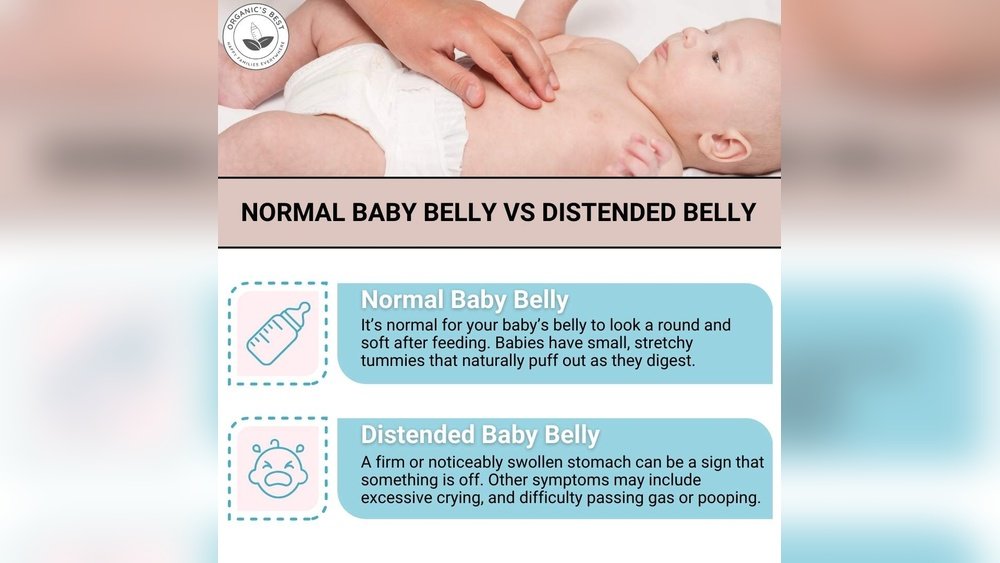
The baby’s belly may look swollen or bigger than usual. It might feel tight or hard when gently touched. This swelling often appears after feeding. It can be a clear sign of bloating in newborns.
Excessive Crying
Crying more than normal could mean the baby feels pain. The crying might sound different—more intense or high-pitched. Babies with bloating often cry in short bursts. They may seem uncomfortable and restless.
Feeding Difficulties
The baby may refuse to eat or pull away from the bottle or breast. Feeding might take longer than usual. Sometimes, the baby may spit up more often. These problems can be linked to bloating and stomach discomfort.
Gas And Burping
The baby may pass gas frequently or struggle to burp. You may notice the baby’s face turning red during burping attempts. Gas buildup causes pressure and pain in the tummy. This is a common symptom of bloating in infants.
Changes In Bowel Movements
Look for changes in the baby’s poop. It might become loose, hard, or less frequent. Some babies may strain or cry during bowel movements. These changes often relate to bloating and digestive issues.
Home Remedies To Soothe Bloating
Newborn bloating can cause discomfort and restless nights. Parents often seek gentle ways to ease their baby’s tummy troubles. Home remedies offer safe and simple solutions to soothe bloating. They help improve digestion and reduce gas naturally. Consistent care can make a big difference in your baby’s comfort.
Gentle Tummy Massage
Use your fingertips to gently massage your baby’s belly. Move in small circles, clockwise, to help gas pass. This gentle pressure relaxes the muscles and eases bloating. A calm massage before bedtime can promote better sleep.
Proper Feeding Techniques
Hold your baby upright during feeding to reduce air swallowing. Use slow, steady feeding to avoid gulping. Check the bottle nipple flow to match your baby’s sucking speed. Proper feeding helps prevent excess gas and bloating.
Warm Compress
Apply a warm compress or soft cloth to your baby’s tummy. The warmth relaxes the stomach muscles and soothes pain. Use it for a few minutes after feeding or during fussiness. Always test the temperature to avoid burns.
Burping Tips
Burp your baby several times during and after feeding. Gently pat or rub the back to release trapped air. Try different positions like over the shoulder or sitting up. Regular burping reduces gas buildup and discomfort.
Adjusting Feeding Schedule
Feed smaller amounts more often to ease digestion. Avoid long gaps between feedings to prevent hunger-induced gulping. Observe your baby’s hunger cues and adjust accordingly. A balanced feeding schedule supports a healthy tummy.

When To See A Doctor
Newborn bloating can cause discomfort and worry for parents. Sometimes, it is normal and clears up quickly. Other times, it may signal a need for medical help. Knowing when to see a doctor is important for your baby’s health.
Persistent Symptoms
If your baby’s bloating lasts more than a day, get medical advice. Continuous fussiness and belly swelling are signs to watch. Do not wait too long to seek help.
Fever Or Vomiting
A fever or frequent vomiting with bloating can show infection or illness. These symptoms need quick medical attention. Call your doctor to discuss your baby’s condition.
Poor Weight Gain
Babies should gain weight steadily. If your baby is not growing well and has bloating, see a doctor. Poor weight gain may mean feeding or health problems.
Severe Abdominal Pain
Strong crying or pulling legs to the belly can mean pain. Severe abdominal pain with bloating is a serious sign. Get immediate medical care to protect your newborn.

Frequently Asked Questions
What Causes Newborn Bloating And Gas?
Newborn bloating is often caused by swallowed air during feeding or crying. Immature digestive systems can also lead to gas buildup and discomfort.
How Can I Relieve My Newborn’s Bloating?
Gentle tummy massages, bicycle leg movements, and burping during feedings can help relieve newborn bloating and ease gas pains effectively.
Is Newborn Bloating A Sign Of A Serious Problem?
Usually, newborn bloating is normal and not serious. However, persistent bloating with vomiting or fever needs medical attention.
When Should I Consult A Doctor For Newborn Bloating?
Consult a doctor if bloating lasts more than a few days, or if your baby shows poor feeding, vomiting, or distress.
Conclusion
Newborn bloating can worry many parents. Understanding causes helps ease your mind. Simple steps like gentle tummy massages can help. Watch your baby’s feeding and comfort carefully. Most cases improve with time and care. Always ask a doctor if symptoms persist or worsen.
Your calm and attention make a big difference. Trust your instincts and stay patient. Bloating in newborns is common and usually not serious. Keep learning and supporting your little one each day.