Have you ever noticed your newborn suddenly fussing more than usual or developing red, itchy skin? It can be worrying when your little one shows signs of discomfort, and you might wonder if allergies are the cause.
Understanding newborn allergic reactions is crucial for keeping your baby safe and comfortable. You’ll discover the common signs to watch for, what might trigger these reactions, and practical steps you can take to protect your baby’s health. Keep reading to learn how to spot allergies early and ensure your newborn’s well-being.

Common Signs Of Allergic Reactions
Newborn allergic reactions can be hard to spot. Babies cannot tell us what they feel. Watching for signs helps parents act quickly. Early detection is very important for safety and care.
Allergic reactions affect different parts of the body. They may show on the skin, in breathing, digestion, or behavior. Knowing these signs helps parents and caregivers keep babies safe.
Skin Symptoms
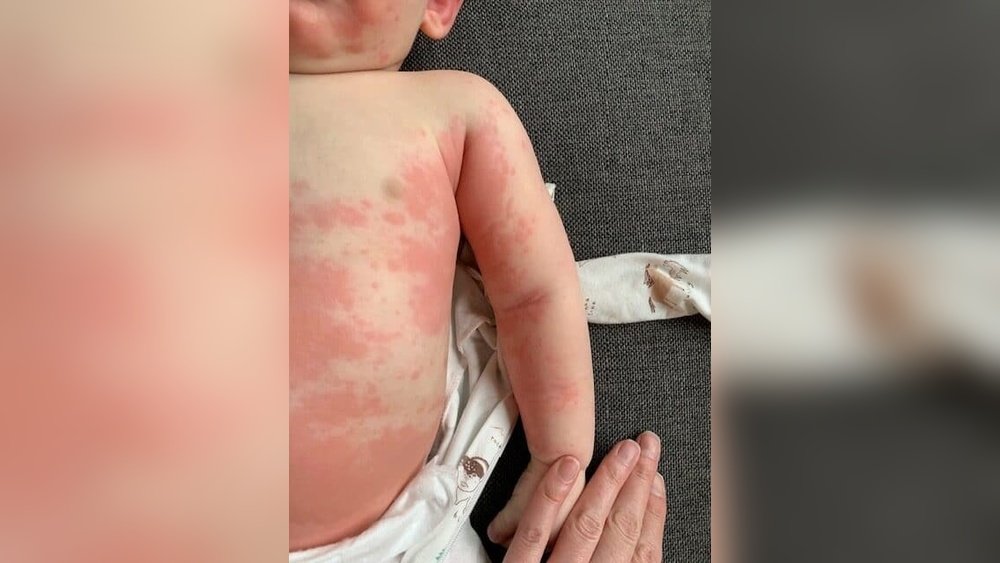
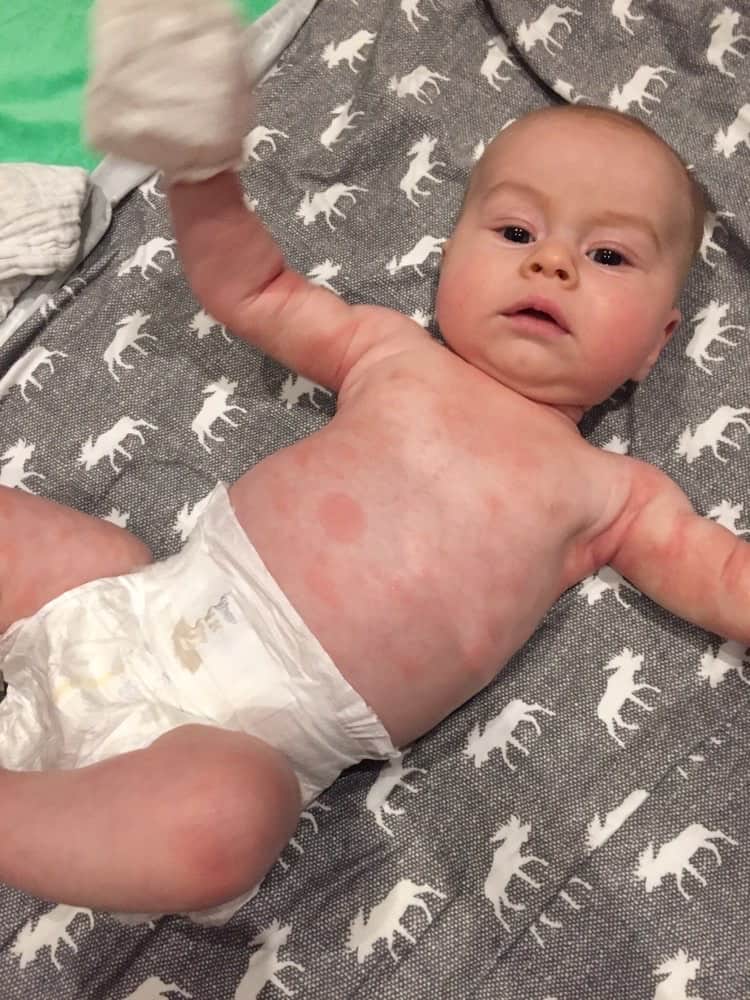
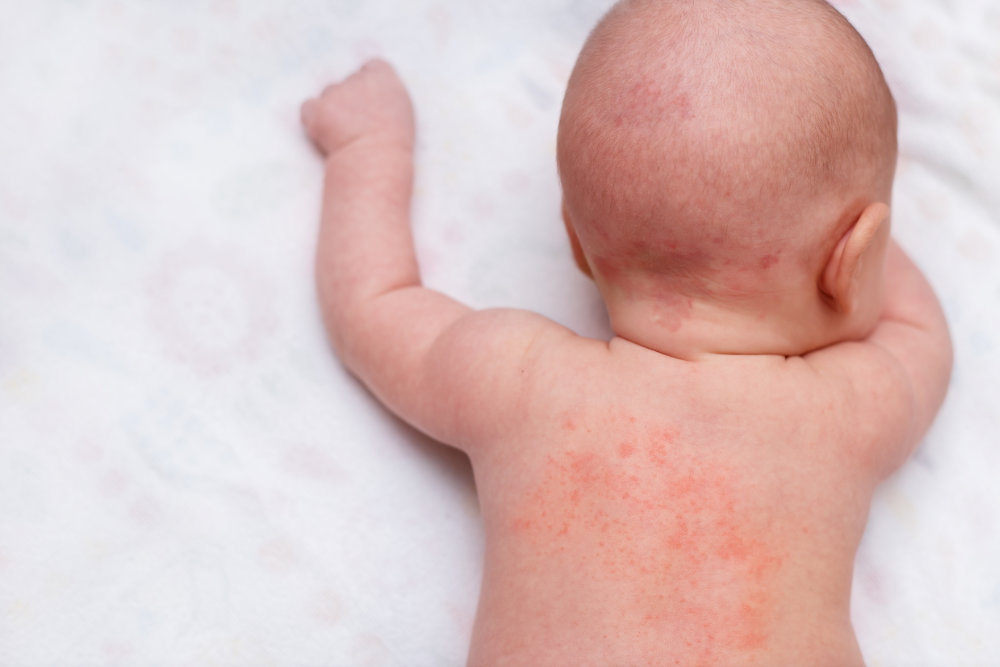
Redness and rashes often appear on the skin. Hives may show as raised, itchy bumps. Swelling around the face or lips can also occur. Dry or flaky skin might be a sign too. These symptoms often appear soon after exposure.
Respiratory Issues
Breathing problems can be serious in newborns. Wheezing or noisy breathing might happen. Coughing or a runny nose may appear. Fast or troubled breathing needs urgent attention. Watch for signs that baby is struggling to breathe.
Digestive Disturbances
Allergies can upset a baby’s stomach. Vomiting or repeated spitting up may occur. Diarrhea or unusual stool can be signs too. Babies may refuse to eat or seem uncomfortable. Digestive symptoms often follow feeding.
Behavioral Changes
Babies cannot say what’s wrong but behavior changes help. They may cry more than usual. Sleep might be restless or shorter. Irritability or unusual fussiness can signal discomfort. Pay attention if your newborn acts different suddenly.
Typical Causes Of Allergies In Newborns
Newborn allergic reactions can be scary for parents. Understanding what causes these allergies helps in preventing and managing them. Allergies in newborns often come from several common sources. These triggers can affect their sensitive immune systems in different ways.
Food Allergens
Food allergens are a major cause of allergies in newborns. Common culprits include milk, eggs, peanuts, and soy. Babies can react to these foods through breastfeeding or when they start eating solid foods. Signs include rashes, swelling, or stomach problems. Early exposure to certain foods may increase the risk of allergies.
Environmental Triggers
Environmental triggers include dust, pollen, pet dander, and mold. These tiny particles can cause sneezing, coughing, or skin irritation. Newborns have delicate immune systems that react strongly to these allergens. Keeping the home clean and free of dust helps reduce these allergic reactions.
Medications
Some medications cause allergic reactions in newborns. Antibiotics and vaccines are common triggers. Reactions may include rashes, swelling, or breathing difficulty. Always watch for unusual signs after giving medicine. Consult a doctor immediately if symptoms appear.
Contact Allergens
Contact allergens cause allergies through skin contact. These include soaps, lotions, fabrics, and detergents. Newborn skin is very sensitive to harsh chemicals. Allergic reactions can cause redness, itching, or dryness. Using gentle, fragrance-free products reduces risk.
Immediate Steps To Take
Newborn allergic reactions can be scary for parents and caregivers. Acting quickly and correctly helps keep the baby safe. The first moments after noticing a reaction are critical. Knowing what to do can prevent serious problems.
Identifying Severity
Look closely at the baby’s symptoms. Mild reactions include redness, small rashes, or slight swelling. Severe reactions show difficulty breathing, swelling of the face or lips, and persistent crying. Blue lips or limpness are signs of emergency. Always watch for changes in skin color and breathing.
First Aid Measures
Remove the allergen from the baby’s environment right away. Gently clean the skin with water if there is a rash. Keep the baby calm and upright. Do not give any medicine without doctor advice. If the baby has trouble breathing, open the airway and help them breathe slowly.
When To Seek Medical Help
Call emergency services if the baby shows severe symptoms. Immediate help is needed for swelling, breathing trouble, or unconsciousness. Take the baby to the hospital if the reaction gets worse. For mild symptoms that last or spread, consult a doctor within a few hours. Never wait if you feel unsure about the baby’s condition.
Home Remedies And Comfort Tips
Newborn allergic reactions can cause discomfort and worry for parents. Simple home remedies can help ease symptoms safely. These tips focus on calming the baby’s skin, helping breathing, and adjusting diets.
Soothing Skin Reactions
Use a gentle, fragrance-free moisturizer on the baby’s skin. Cool compresses can reduce redness and itching. Avoid hot water baths; use lukewarm water instead. Dress your baby in soft, breathable fabrics to prevent irritation. Keep nails trimmed to stop scratching and skin damage.
Easing Breathing Difficulties
Keep the baby’s sleeping area clean and free from dust. Use a cool mist humidifier to moisten the air. Elevate the baby’s head slightly during sleep for easier breathing. Avoid exposure to smoke or strong odors. Monitor breathing and seek medical help if it worsens.
Dietary Adjustments For Moms And Babies
Mothers who breastfeed should watch for foods that cause reactions. Common triggers include dairy, nuts, and eggs. Eliminate these foods from your diet to check for improvements. For formula-fed babies, consult your pediatrician about hypoallergenic options. Introducing solid foods slowly helps identify allergies early.
Preventing Allergic Reactions
Preventing allergic reactions in newborns is very important for their health and comfort. Early steps can reduce the risk of allergies developing. Parents can follow simple methods to keep their baby safe from allergens.
Safe Feeding Practices
Breastfeeding is the best choice for newborns. It provides natural protection against allergies. If breastfeeding is not possible, use hypoallergenic formula after talking to a doctor. Introduce new foods slowly and one at a time. Watch closely for any signs of reaction. Avoid giving honey or cow’s milk before one year old.
Allergen Avoidance Strategies
Keep common allergens away from your baby. This includes peanuts, eggs, and shellfish until the baby is older or a doctor advises otherwise. Wash hands before touching your baby. Clean toys and surfaces regularly. Avoid smoking or strong perfumes near your newborn to reduce irritation and allergic triggers.
Creating An Allergy-safe Environment
Keep your home clean and dust-free. Use a vacuum with a HEPA filter to remove allergens. Wash bedding and soft toys in hot water weekly. Maintain good ventilation to reduce mold and mildew. Use air purifiers if needed. Keep pets out of the baby’s sleeping area to avoid pet dander exposure.
When To Consult A Specialist
Knowing when to consult a specialist for your newborn’s allergic reactions is important. Early advice can prevent serious health issues. Some allergic reactions need immediate professional care. Other times, ongoing management by a specialist helps keep allergies under control. Understanding the signs and options will guide you to the right help.
Signs Of Severe Allergies
Watch for difficulty breathing or wheezing. Swelling of the face, lips, or tongue is a red flag. Excessive vomiting or diarrhea can signal a severe reaction. Unusual drowsiness or limpness needs urgent attention. Skin reactions like hives or widespread rash require quick care.
Allergy Testing Options
Specialists may suggest skin prick tests to identify allergens. Blood tests can measure specific allergy antibodies. Patch tests check for delayed skin reactions. Testing helps pinpoint exact triggers for your baby. Early testing aids in planning safe care.
Long-term Allergy Management
A specialist creates a care plan tailored to your newborn. Avoiding known allergens is the first step. They may recommend medications to reduce symptoms. Regular follow-ups monitor allergy progress and adjust treatment. Education on emergency response is part of management.
Frequently Asked Questions
What Are Common Newborn Allergic Reactions?
Common newborn allergic reactions include rashes, hives, swelling, vomiting, and breathing difficulties. These symptoms often appear after exposure to allergens like formula, milk, or environmental factors.
How Can I Identify Allergies In My Newborn?
Look for skin rashes, persistent crying, vomiting, diarrhea, or breathing problems. Early signs often appear within minutes to hours after allergen exposure.
When Should I See A Doctor For Newborn Allergies?
Seek medical help if your baby shows severe symptoms like swelling, difficulty breathing, or persistent vomiting. Early treatment prevents complications and ensures proper care.
Can Newborn Allergies Be Prevented?
Avoid known allergens and introduce new foods gradually. Breastfeeding may reduce allergy risks by strengthening the baby’s immune system.
Conclusion
Newborn allergic reactions need careful attention from parents and caregivers. Early signs can be mild but may quickly worsen. Watch for rashes, swelling, or breathing trouble. Seek medical help if symptoms appear sudden or severe. Keeping a clean environment helps reduce allergen exposure.
Feeding choices also play a role in prevention. Understanding these reactions supports healthier babies and peace of mind. Stay informed, stay alert, and protect your newborn’s well-being every day.