Are you wondering when and how to introduce water to your newborn? It’s a question many new parents face, and getting it right is important for your baby’s health and comfort.
Giving water too early or in the wrong way can affect your baby’s nutrition and well-being. But don’t worry—this article will guide you step-by-step, so you feel confident about what’s best for your little one. Keep reading to discover the simple truths about introducing water safely and easily.

When To Start Water
Knowing when to introduce water to a newborn is important for their health. Babies get all the fluids they need from breast milk or formula in the first months. Giving water too early can cause problems. Parents should wait until the baby shows signs of readiness before offering water.
Signs Baby Is Ready
Babies usually start drinking water around six months old. At this age, they begin eating solid foods. When a baby can sit up well without support, it shows good head control. This skill helps them drink water safely. Babies may also show interest in cups or water during mealtime. These signs mean the baby might be ready for small sips of water.
Risks Of Early Water Introduction
Giving water before six months can be risky. Water can fill a baby’s tiny stomach, leaving less room for milk. This can reduce important nutrient intake. Too much water may also cause water intoxication, which is dangerous. It can change the balance of salt in the body. Early water can increase the chance of infections too. Babies’ kidneys are still developing and may struggle to handle extra water.
How Much Water To Give
Introducing water to a newborn is an important step for parents. Knowing the right amount to give helps keep your baby safe and healthy. Giving too much water can cause problems. Giving too little may leave your baby thirsty. Understanding the proper amount ensures your baby stays hydrated without risks.
Recommended Daily Amounts
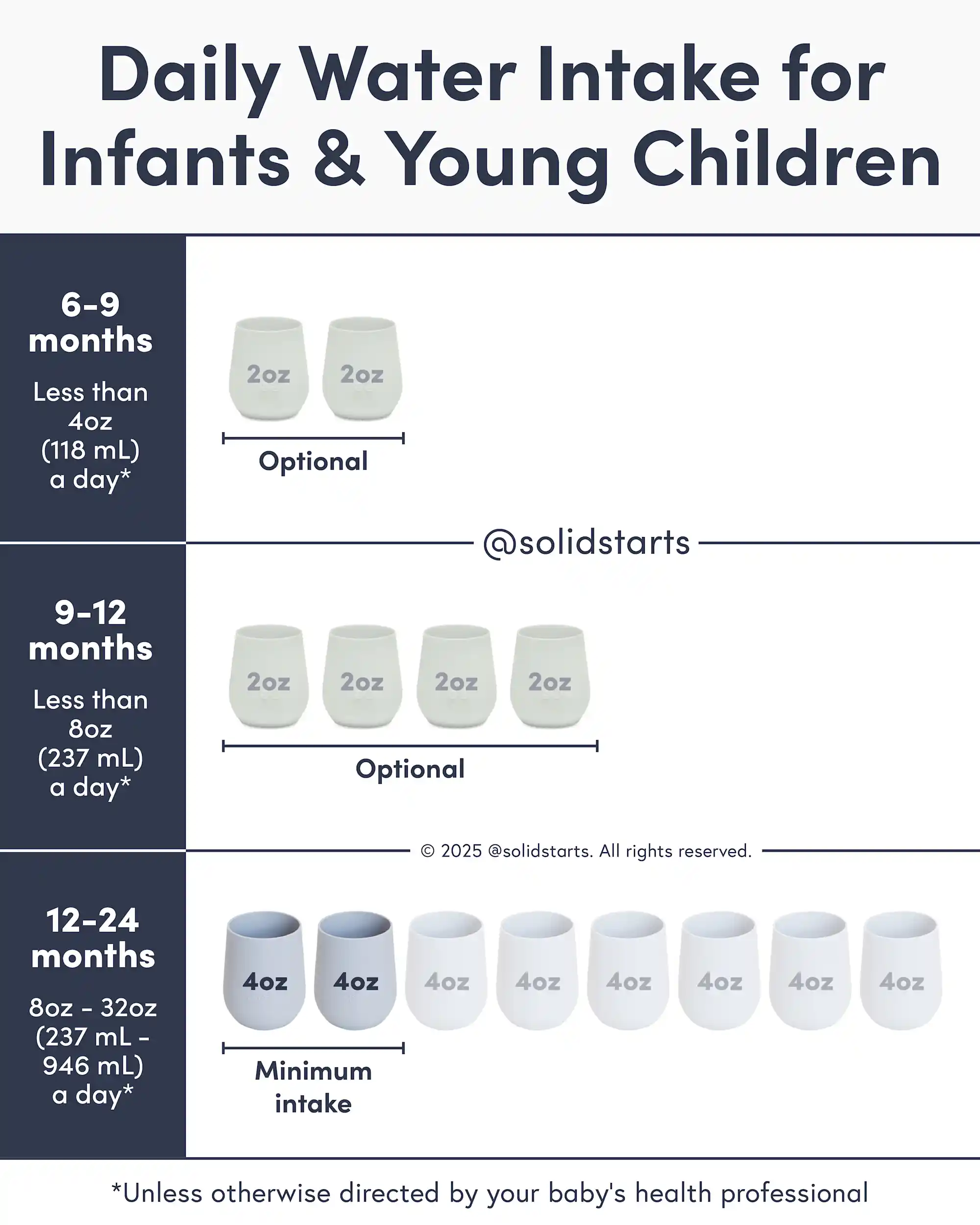
Newborns usually get enough water from breast milk or formula. For babies under six months, extra water is not needed. After six months, small amounts of water can be offered. Start with about 2 to 4 ounces per day. Increase slowly as your baby grows and eats solid foods.
Adjusting For Climate And Activity
Hot weather can make babies need more fluids. Active babies may also need more water. Add a little extra water on warm days or after playtime. Watch for signs of thirst like fussiness or dry mouth. Always consult your pediatrician before changing water amounts.
Best Methods To Offer Water
Introducing water to a newborn is an important step in their early development. Choosing the right method to offer water can make the process smooth and comfortable. Parents should focus on gentle techniques that suit the baby’s needs and age.
Offering water in a way that feels natural helps the baby accept it easily. The choice between a cup and a bottle depends on the baby’s readiness and comfort. Encouraging the baby to drink water should be patient and fun, without pressure.
Using A Cup Vs. Bottle
A small cup can help babies learn to drink independently. It also supports oral development and coordination. Cups with soft spouts or sippy cups are gentle for newborns.
Bottles are familiar to most babies and can be easier at first. They allow control over the flow of water. Bottles also reduce spills and mess during feeding.
Choosing between a cup and bottle depends on the baby’s readiness. Some babies adapt quickly to cups, while others prefer bottles longer.
Tips For Encouraging Drinking
Start offering water in small amounts, just a few sips. Make the experience calm and relaxed to avoid stress. Let the baby hold the cup or bottle to build interest.
Offer water after breastfeeding or formula feeding, not as a replacement. Use warm or room temperature water to keep it comfortable. Praise the baby gently when they drink to create positive feelings.
Be patient. Some babies need time to get used to water. Keep trying regularly without forcing the baby to drink.
Potential Risks Of Water
Introducing water to a newborn carries certain risks. Babies have small stomachs and delicate bodies. Giving water too soon can cause health issues. Parents should understand these risks to protect their child’s well-being.
Water Intoxication
Water intoxication happens when a baby drinks too much water. It can dilute the blood’s sodium levels. This condition may cause swelling in the brain. Symptoms include irritability, drowsiness, and seizures. Babies under six months are most at risk. Their kidneys cannot handle excess water well.
Impact On Breastfeeding
Water can reduce a baby’s hunger for milk. This may lead to less breastfeeding. When a baby breastfeeds less, the mother’s milk supply may drop. Breast milk provides all the nutrients and fluids a baby needs. Giving water too early can disrupt this natural process. It may also increase the risk of infections.
Signs Of Dehydration
Introducing water to a newborn requires careful attention. Babies can become dehydrated quickly. Recognizing the signs of dehydration is important for their health. Early detection helps prevent serious problems. Watch for changes in behavior and physical symptoms.
Common Symptoms
Dry mouth and cracked lips are common signs. Fewer wet diapers than usual indicate dehydration. The baby may seem unusually sleepy or irritable. Sunken eyes or soft spot on the head can also appear. Skin that does not bounce back when gently pinched is a warning sign.
When To Seek Medical Help
Call a doctor if the baby has no tears when crying. If the baby vomits repeatedly or has diarrhea, get help. Rapid breathing or a fast heartbeat needs immediate care. A very weak or floppy baby needs urgent attention. Any symptom that worries you should be checked by a health professional.

Safe Water Practices
Introducing water to a newborn requires careful attention to safety. Safe water practices protect your baby from harmful germs. Clean water and sterilized equipment reduce the risk of infections. Follow simple steps to keep your baby healthy and comfortable.
Choosing Clean Water Sources
Choose water that is safe and clean for your baby. Use bottled water labeled as safe for infants. Tap water should be boiled and cooled before use. Avoid water from wells or lakes without testing. Always check the water source before giving it to your newborn.
Sterilizing Feeding Equipment
Sterilize bottles, nipples, and other feeding tools every time. Boil equipment in water for at least five minutes. Use sterilizing solutions or steam sterilizers if available. Clean hands before handling feeding items. Dry equipment on a clean towel to avoid germs.
Frequently Asked Questions
When Can I Introduce Water To My Newborn?
You can introduce water after your baby is six months old. Before this, breast milk or formula provides all needed hydration and nutrients.
How Much Water Should A Newborn Drink Daily?
Newborns don’t need water before six months. Afterward, small sips alongside breast milk or formula are enough to stay hydrated.
Can Giving Water Too Early Harm My Baby?
Yes, giving water too early can cause water intoxication. It reduces nutrient absorption and may lead to serious health issues.
What Signs Show My Baby Needs Water?
After six months, signs include dry mouth, fewer wet diapers, or constipation. Always consult your pediatrician before giving water.
Conclusion
Introducing water to a newborn needs care and patience. Start only after the baby is about six months old. Small sips help your baby stay hydrated without replacing milk. Always use clean, safe water to avoid any health risks. Watch for signs of discomfort or allergies.
Ask your doctor if you have questions or concerns. Taking these steps helps your baby grow healthy and strong. Simple, gentle habits make a big difference. Keep your baby’s needs first, and water introduction will go smoothly.