You want the best start for your newborn, and protecting their health is at the top of your list. Immunizations for your baby are one of the most important steps you can take to keep them safe from serious diseases.
But with so much information out there, it’s easy to feel overwhelmed or unsure about what shots your little one needs and when. You’ll discover exactly why these vaccines matter, how they work, and what to expect at each stage.
By the end, you’ll feel confident and ready to make the best choices for your baby’s health. Keep reading to learn how immunizations can give your newborn a strong, healthy beginning.
Why Newborn Vaccines Matter
Vaccines for newborns protect them from serious diseases. Their immune systems are still very weak. Vaccines help build strong defenses early. This protection is crucial in the first months of life. It lowers the risk of infections that can cause severe illness or death.
Vaccinating newborns also helps keep families safe. It prevents the spread of harmful germs in homes and communities. Early immunizations set a foundation for a healthier future. They are one of the best ways to care for a baby’s health from day one.
Vaccines train the immune system to fight germs. They use small, safe parts of viruses or bacteria. This prepares the body without causing illness. When the real germ appears, the immune system reacts fast.
This quick response stops the infection before it spreads. Newborns get protection against diseases like hepatitis B and tuberculosis. Early vaccination reduces hospital visits and serious health problems.
Timing And Importance Of Early Shots
Newborn vaccines are given soon after birth. Timing is important because babies are vulnerable early on. Some diseases spread quickly in young infants. Vaccinating right away gives instant protection.
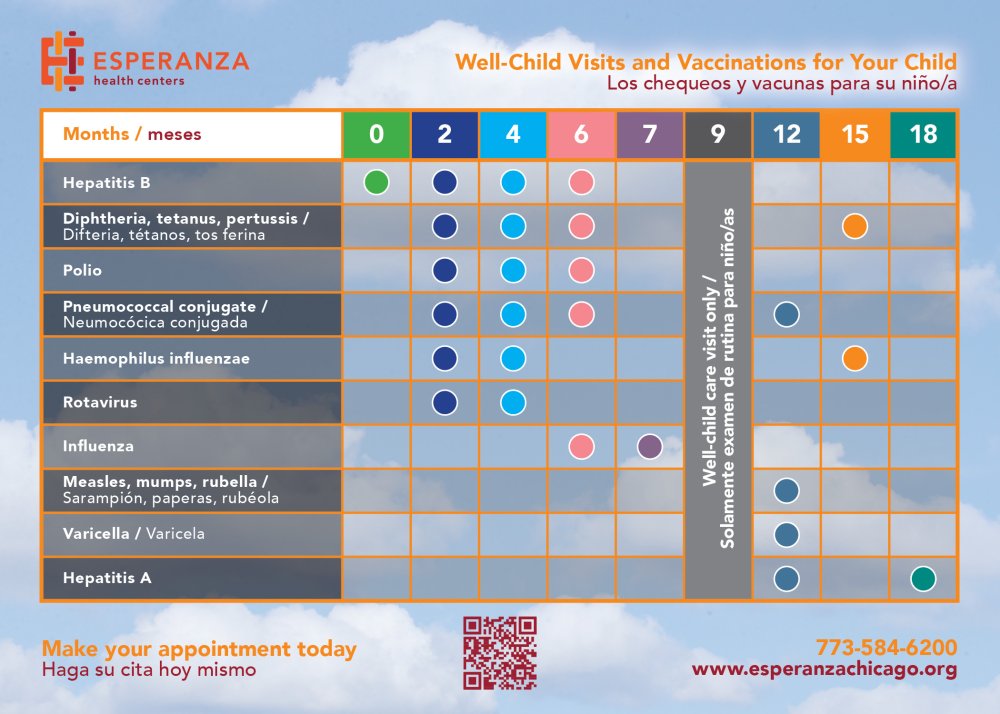
Doctors follow a schedule to make sure babies get all needed vaccines. Each shot targets different diseases. Missing early vaccines can leave a baby at risk. Keeping up with the schedule is key for full protection.
Building Community Immunity
Vaccinating newborns helps protect others too. When many people are vaccinated, germs struggle to spread. This is called herd immunity.
It protects those who cannot get vaccines, like very sick or premature babies. High vaccination rates lower outbreaks of dangerous diseases. Every vaccinated baby strengthens the whole community’s health.

Key Vaccines At Birth
Newborn babies need protection from serious diseases right from birth. Vaccines help build this early defense. Two key vaccines are commonly given at birth. They prevent infections that can cause severe health problems.
Hepatitis B Vaccine
The Hepatitis B vaccine protects against a virus that harms the liver. This virus spreads through blood and body fluids. Babies can catch it from their mothers during birth. The vaccine reduces this risk significantly. It also helps stop the virus from spreading to others. The first dose is given within 24 hours after birth. This early protection is crucial for newborn health.
Bcg Vaccine
The BCG vaccine defends against tuberculosis (TB). TB is a dangerous lung disease. Babies in many countries receive this vaccine soon after birth. It helps prevent severe forms of TB in young children. The vaccine is given as a small injection, usually in the arm. Early immunization lowers the chance of serious illness later. This vaccine plays a vital role in keeping newborns safe.
Vaccines In The First Few Months
Vaccines in the first few months protect newborns from serious diseases. Their immune systems are still developing. Vaccinations help build strong defenses early on. These vaccines are safe and tested. They prevent infections that can cause severe illness or death.
Dtap Vaccine
The DTaP vaccine protects against three diseases: diphtheria, tetanus, and pertussis. Pertussis is whooping cough, very dangerous for babies. The vaccine helps the body fight these infections. It is given in several doses starting at two months old. This vaccine keeps babies safe from harmful bacteria.
Polio Vaccine
The polio vaccine stops poliovirus, which can cause paralysis. Polio once caused many illnesses worldwide. Now, vaccines have almost eliminated it. Babies get this vaccine in the first months of life. It helps keep their nerves and muscles healthy. Polio vaccine is essential for long-term protection.
Hib Vaccine
The Hib vaccine protects against Haemophilus influenzae type b bacteria. This bacteria can cause meningitis and pneumonia in babies. The vaccine starts at two months old. It builds strong immunity against these infections. Hib vaccine lowers hospital visits and serious health risks.
Pneumococcal Vaccine
The pneumococcal vaccine shields babies from pneumonia and other infections. Pneumococcal bacteria can also cause ear infections and blood infections. This vaccine is given in several doses early in life. It helps the baby’s immune system recognize and fight these germs. The vaccine reduces illness and keeps babies healthy.
Rotavirus Vaccine
The rotavirus vaccine protects against a virus causing severe diarrhea. Diarrhea can lead to dehydration and hospital stays. The vaccine is given by mouth in two or three doses. It helps babies avoid stomach illness and dehydration. Early vaccination means fewer doctor visits and less discomfort.
How Vaccines Protect Newborns
Vaccines play a crucial role in protecting newborns from harmful diseases. They help the baby’s body learn how to fight infections safely. This early protection is vital because newborns have weak immune systems. Vaccines give them a strong start for a healthier life.
Building Immunity
Vaccines teach the newborn’s immune system to recognize germs. They expose the body to a small, harmless part of the germ. This triggers the immune system to create defenses called antibodies. These antibodies stay in the body to fight real infections later.
By building immunity early, vaccines help newborns avoid many serious illnesses. The immune system becomes ready to protect the baby without causing sickness.
Preventing Serious Illnesses
Newborns are vulnerable to diseases like whooping cough, measles, and polio. These illnesses can cause severe health problems or even death. Vaccines reduce the risk of catching these diseases. They protect not only the baby but also others around them.
Preventing illness means fewer hospital visits and less suffering. Vaccines create a safer environment for newborns to grow and thrive.
Common Concerns And Myths
Many parents worry about immunizing their newborns. They hear stories that cause fear. Myths spread quickly and cause confusion. It is important to know the facts. Understanding common concerns helps parents make safe choices. This section clears up doubts about vaccines for babies.
Vaccine Safety
Vaccines go through many tests before use. Experts check for safety and quality. The doses are small and carefully measured. Vaccines protect babies from serious diseases. They are safer than risking illness. Doctors recommend immunizations to keep babies healthy.
Side Effects
Some babies may have mild side effects. These include a small fever or redness at the shot site. Side effects usually last one or two days. Serious reactions are very rare. The benefits of vaccines far outweigh the risks. Monitoring after shots helps catch any issues early.
Addressing Misinformation
False information causes many fears about vaccines. Some myths link vaccines to unrelated problems. Science shows no connection between vaccines and autism. Trusting healthcare providers gives correct information. Reading from trusted sources helps avoid myths. Protect your baby with facts, not fears.
Tips For A Smooth Vaccination Experience
Vaccinations are important for your newborn’s health. A smooth vaccination experience helps reduce stress for both baby and parents. Simple steps before and after shots can make a big difference. This guide shares easy tips for a calm and safe vaccination day.
Preparing Your Baby
Keep your baby calm before the shot. Feed your baby right before the visit to avoid hunger fussiness. Dress your baby in loose clothes for easy access to the arm or thigh. Bring a favorite blanket or toy for comfort. Talk softly and stay close to soothe your baby during the shot. Your calm presence helps your baby feel safe.
Aftercare And Monitoring
Watch your baby closely after the vaccination. A little fussiness or mild fever is normal. Use a cool cloth on the injection site to ease redness or swelling. Offer breast milk or formula to keep your baby hydrated. Avoid tight clothing over the injection area. Call your doctor if your baby has a high fever or unusual symptoms. Gentle care helps your baby recover quickly and comfortably.
Working With Healthcare Providers
Working closely with healthcare providers ensures your newborn gets the best start. They guide parents through the vaccination process. Their experience helps make immunizations safe and effective.
Healthcare providers answer questions and address concerns. They explain vaccine benefits and possible side effects. Trust and clear communication build confidence in the immunization schedule.
Scheduling Vaccinations
Healthcare providers create a vaccination schedule for your baby. They follow recommended timelines for each vaccine. Appointments are set to match your newborn’s age and health.
Regular visits help track vaccine progress. Providers remind parents about upcoming shots. This keeps your baby on track and protected against diseases.
Keeping Immunization Records
Healthcare providers maintain detailed vaccine records. These documents show which vaccines your baby has received. They are important for school, travel, and future health care.
Parents should keep a copy of immunization records. It helps during doctor visits and emergencies. Accurate records prevent missed or duplicate vaccines.

Frequently Asked Questions
What Immunizations Are Essential For Newborns?
Newborns typically receive vaccines like Hepatitis B at birth. Other vaccines follow in the first months. These protect against serious diseases early in life.
When Should Newborns Receive Their First Vaccines?
The first vaccine, Hepatitis B, is given within 24 hours after birth. Other vaccines start at 6 weeks to 2 months. Timely immunization is crucial for newborn health.
Are Newborn Vaccines Safe For Babies?
Yes, vaccines given to newborns are extensively tested. They are safe and help prevent severe illnesses. Side effects are usually mild and temporary.
Can Immunizations Harm A Newborn’s Immune System?
No, vaccines strengthen a newborn’s immune system. They prepare the body to fight infections effectively. Immunizations reduce disease risks without weakening immunity.
Conclusion
Vaccines protect newborns from many serious diseases. They help build strong immune systems early. Following the recommended immunization schedule keeps babies safe. Talk with your doctor to understand each vaccine’s role. Staying on time with shots helps prevent illness. Healthy babies grow into strong children.
Immunizations are a key step for a healthy start. Keep your baby’s health a top priority every day.