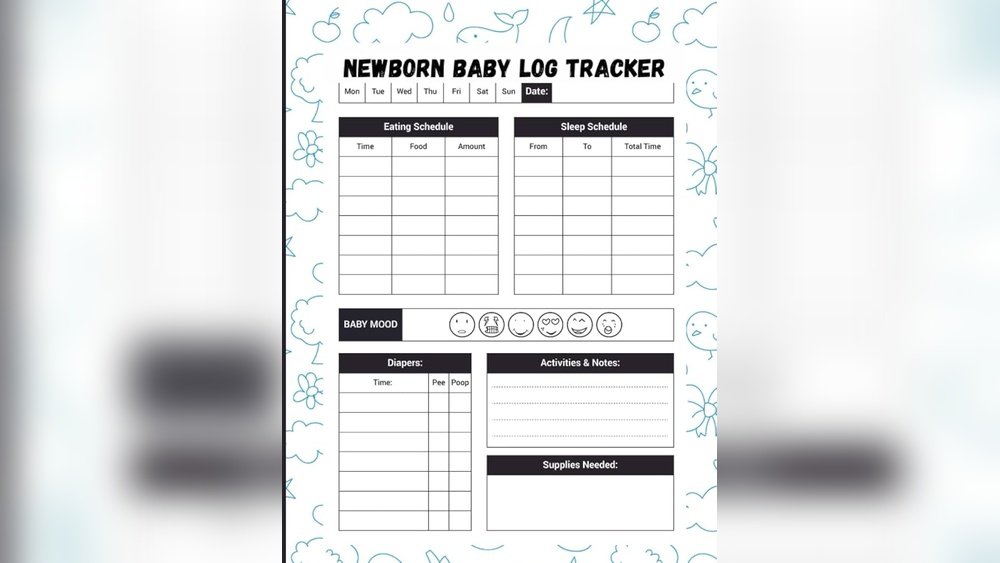
Are you struggling to understand your newborn’s sleep patterns? Tracking your baby’s nap schedule can feel overwhelming, but it’s one of the best ways to help your little one rest better and grow healthy.
When you know exactly when your baby sleeps and wakes, you can prevent fussiness and create a calm, predictable routine. You’ll discover simple, practical tips to track your newborn’s naps easily. By the end, you’ll feel more confident and in control—ready to give your baby the peaceful sleep they need.
Keep reading to unlock the secrets of your newborn’s nap schedule!
Benefits Of Tracking Nap Schedules
Tracking your newborn’s nap schedule brings clear benefits. It helps you understand your baby’s sleep needs and routines. This knowledge supports both your baby’s well-being and your daily planning. Consistent nap tracking can improve sleep quality and mood for your little one.
Improved Sleep Patterns
Keeping track of naps helps set regular sleep times. Babies thrive on routine. A steady nap schedule helps them fall asleep faster. It also reduces night waking. This leads to longer, more restful sleep periods.
Reduced Fussiness
When babies nap well, they feel better and calm. Sleep prevents overtiredness, which causes fussiness and crying. Tracking naps lets you spot signs of tiredness early. You can then help your baby rest before fussiness starts.
Better Growth And Development
Sleep is vital for baby’s growth and brain development. Regular naps give the body time to rest and repair. Tracking naps ensures your baby gets enough sleep for healthy growth. Well-rested babies learn and develop new skills more easily.
Signs Your Newborn Needs A Nap
Understanding the signs your newborn needs a nap helps keep your baby calm and happy. Babies show clear signals when they feel sleepy. Parents who notice these signs can help their baby rest before fussiness starts. This makes nap time easier for both baby and parents.
Common Sleep Cues
Newborns show simple signs when they feel tired. Rubbing their eyes is a strong clue. Yawning often means sleep is near. Babies may also look away or lose interest in toys. A quiet or fussy mood can signal tiredness too. These cues help parents know when to prepare for a nap.
Recognizing Over-tiredness
Missing the sleep cues can lead to over-tiredness. An over-tired baby may cry more than usual. Their movements become jerky or restless. They might arch their back or have trouble settling down. Watch for these signs to avoid a difficult bedtime. Acting early helps your newborn fall asleep easier.
Choosing A Tracking Method
Choosing the right way to track your newborn’s nap schedule helps you understand their sleep needs. It also makes daily routines smoother. There are several methods to pick from, each with its own benefits. The choice depends on your comfort and lifestyle.
Using A Notebook Or Journal
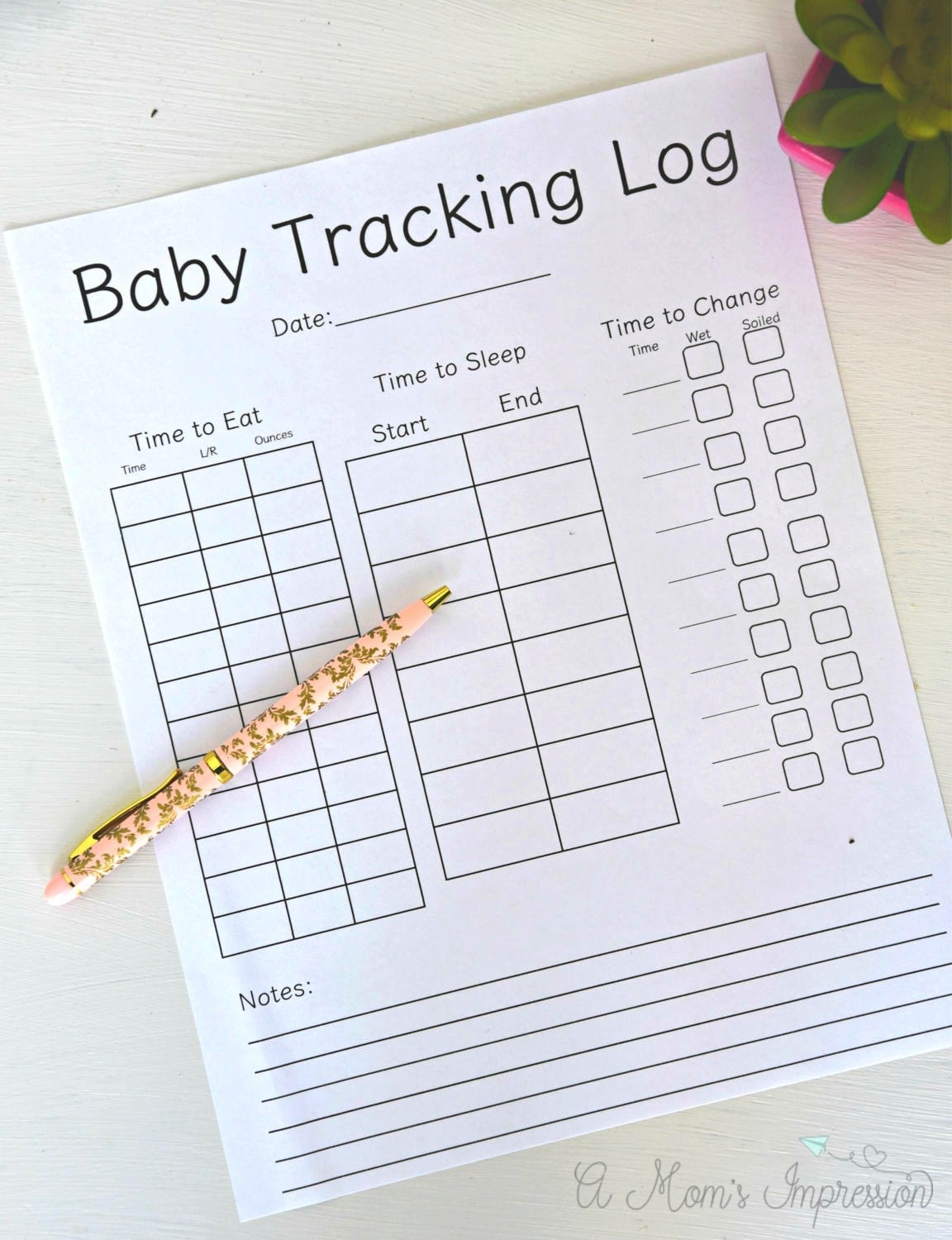
A simple notebook works well for many parents. Write down the start and end times of each nap. Note how long your baby sleeps and any patterns you see. This method is low cost and requires no special tools. It helps you see changes over days or weeks. Plus, writing by hand can make you more aware of your baby’s habits.
Mobile Apps For Sleep Tracking
Many apps are designed to track baby naps easily. They allow quick input of sleep times and give reminders. Some apps analyze sleep patterns and suggest improvements. Using an app means your data is saved and easy to access. Apps can also store feeding times and diaper changes. This method suits parents who prefer technology and want detailed reports.
Wearable Devices For Babies
Wearable devices monitor sleep automatically. They track movement and sometimes heart rate to estimate sleep quality. These devices send data to your phone for easy viewing. Wearables provide detailed insights without manual logging. They work well for busy parents who want hands-free tracking. Some models also offer alerts for nap times or wake-ups.
Creating A Consistent Nap Routine
Creating a consistent nap routine helps your newborn feel safe and calm. Babies thrive on predictability. A steady routine supports better sleep and growth. It also makes your day smoother and less stressful.
Consistency means naps happen around the same time each day. This helps your baby’s body clock adjust. Over time, your newborn will learn when it is time to rest. This makes falling asleep easier and quicker.
Setting Regular Nap Times
Choose specific times for naps. Observe when your baby shows signs of tiredness. Plan naps close to these times. Try to keep nap times within the same 30-minute window daily.
Regular nap times help set your baby’s internal clock. Avoid letting naps start too late or too early. This prevents fussiness and overtiredness. Stick to the schedule even on weekends or trips.
Establishing Pre-nap Rituals
Create simple routines before naps. These rituals signal to your baby that rest is coming. Try gentle rocking, soft singing, or a quiet story. Use the same actions and order every time.
Pre-nap rituals calm your baby and reduce resistance. They also help your baby feel secure and loved. Keep the environment peaceful and dim the lights. Over time, your baby will connect these cues with sleep.
Recording And Analyzing Sleep Data
Recording and analyzing your newborn’s sleep data helps create a clear nap schedule. Writing down sleep times and durations shows how your baby sleeps each day. This information helps you understand your baby’s needs better. It allows you to plan naps that match your baby’s natural rhythm.
Tracking Nap Duration And Frequency
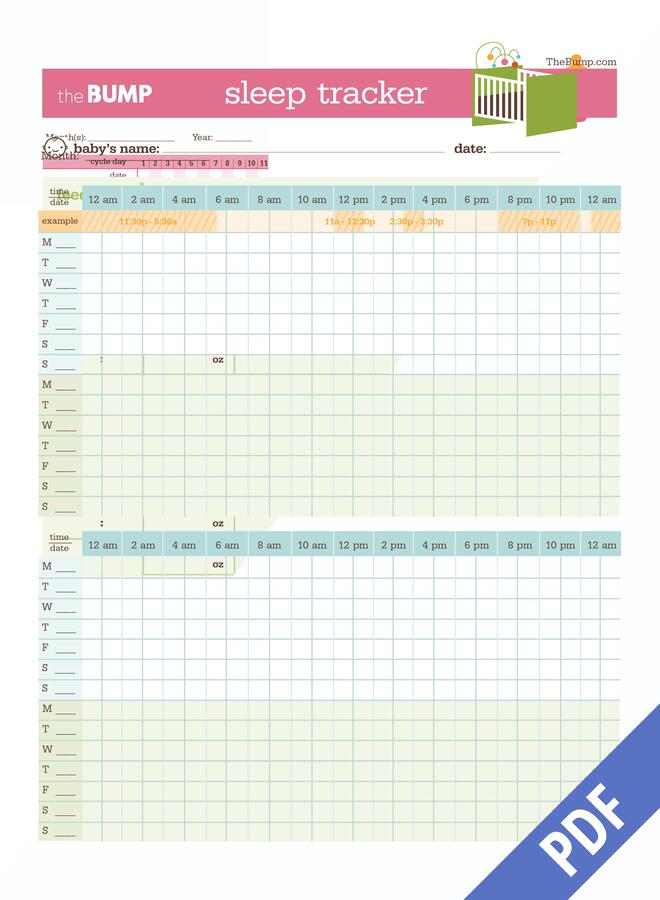
Note the start and end time of each nap. Count how many naps your baby takes daily. Write down how long each nap lasts. Use a simple notebook or a phone app for tracking. This record shows if your baby sleeps too little or too much. It helps spot changes in sleep needs as your baby grows.
Identifying Patterns And Adjustments
Look for common nap times and lengths over several days. Notice if naps happen at regular intervals. Check if your baby wakes up refreshed or still tired. Adjust nap times to match your baby’s natural sleep cues. Changing nap schedules can improve your baby’s mood and health. Patterns guide you to better plan daily activities around naps.

Tips For Encouraging Better Naps
Encouraging better naps for your newborn helps both baby and parents feel rested. Small changes can make a big difference in nap quality. Focus on simple, consistent steps to support your baby’s natural sleep rhythms. These tips help create a calm space and smooth routines.
Creating A Sleep-friendly Environment
Keep the room dark during naps to reduce distractions. Use blackout curtains or a soft shade. Maintain a comfortable room temperature, around 68-72°F (20-22°C). Avoid loud noises; a white noise machine can help mask sudden sounds. Soft, cozy bedding makes your baby feel secure. Remove toys or bright objects that might catch baby’s attention.
Managing Feeding And Nap Timing
Feed your baby before nap time to ensure comfort. Avoid feeding right after waking to prevent confusion between hunger and tiredness. Watch for sleepy signs like rubbing eyes or yawning. Try to put your baby down before they become overtired. Keep nap times consistent to build a healthy routine. Short naps are normal but try to extend them gradually.
Handling Nap Transitions
Newborns change sleep patterns often. Be patient during these shifts. Offer comfort without always picking baby up. Gentle rocking or a pacifier can soothe without ending the nap. Keep nap spots the same to build familiarity. Adjust nap times as your baby grows to match new sleep needs. Celebrate small improvements to stay motivated.
Frequently Asked Questions
How Often Should Newborns Nap Daily?
Newborns typically nap 4 to 6 times a day. Their total sleep time ranges from 14 to 17 hours. Frequent naps help support their rapid growth and brain development. Consistent nap routines promote better nighttime sleep.
What Is The Best Way To Track Newborn Naps?
Use a nap tracker app or a simple notebook. Record nap start and end times daily. Note any patterns in duration or wakefulness. Tracking helps identify sleep needs and optimize nap schedules.
When Do Newborns Develop A Regular Nap Schedule?
Most newborns develop a more regular nap pattern by 6 to 8 weeks. Establishing consistent sleep cues and routines early supports this. Patience and consistency are key to helping your baby adapt.
How Long Should Each Newborn Nap Last?
Newborn naps typically last between 30 minutes and 2 hours. Short naps are normal as babies adjust their sleep cycles. Longer naps help with overall sleep quality and brain rest.
Conclusion
Tracking your newborn’s nap schedule helps both baby and parents rest well. Watch for sleepy signs and note nap times daily. This habit builds good sleep routines early on. Keep the schedule flexible as your baby grows and changes. Remember, patience is key during this learning phase.
Small steps lead to better sleep habits over time. Stay consistent and caring for your little one’s needs. This simple routine supports healthy growth and happy days ahead.


