
Are you wondering how your newborn is starting to communicate with you? Tracking your baby’s communication development can feel overwhelming, but it’s easier than you think.
By paying attention to simple signs and milestones, you can watch your little one’s world open up through sounds, gestures, and expressions. This guide will help you understand what to look for and when, so you won’t miss those special moments that show your baby is learning to connect with you.
Keep reading to discover practical tips that will make following your newborn’s communication growth both clear and exciting.
Signs Of Early Communication
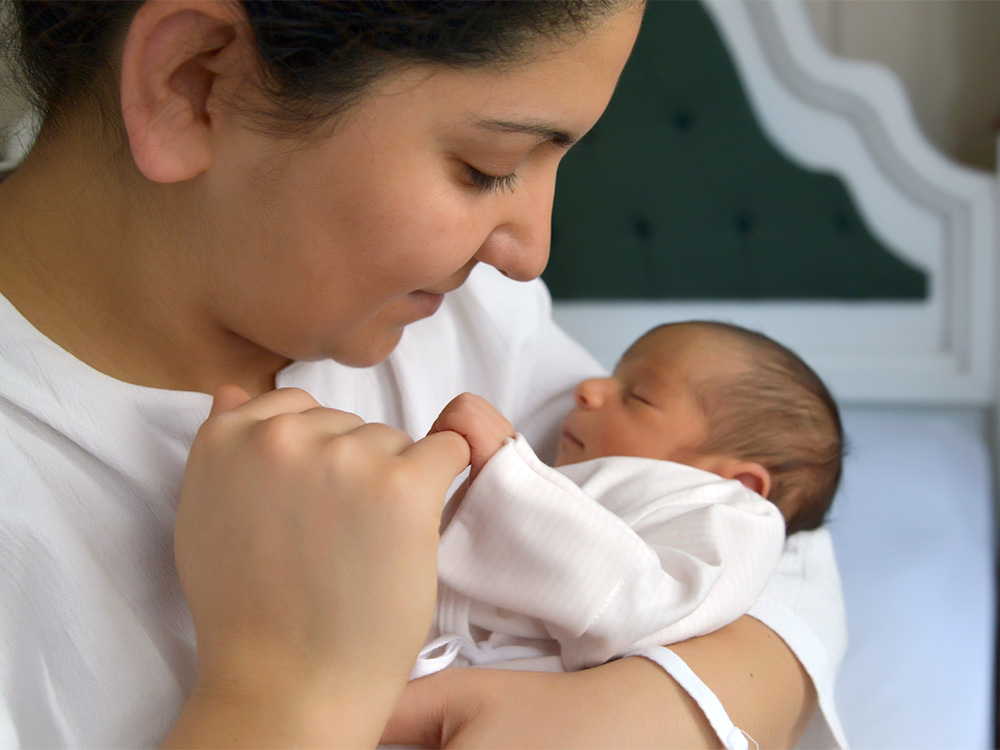
Babies start communicating long before they can speak. They use sounds, movements, and eye contact to express needs and feelings. Parents and caregivers can watch these early signs to understand their newborn better. Early communication shows that a baby is learning and growing.
Noticing these signs helps build a strong bond. It also supports healthy development. Each baby is unique but shares common ways of showing communication.
Recognizing Newborn Sounds
Newborns make many sounds like cooing, gurgling, and crying. These sounds express hunger, discomfort, or happiness. Listening closely helps identify what the baby needs. Different cries often mean different things. Soft coos show contentment and curiosity.
Body Language Cues
Babies use body movements to communicate. Stretching, kicking, or turning away shows feelings. Tight fists or arching back can mean discomfort. Smiling and relaxed limbs show comfort and joy. Watching these signals helps respond to the baby’s needs quickly.
Eye Contact Importance
Eye contact is a key communication sign. Babies use their eyes to connect and learn. Holding a baby’s gaze builds trust and comfort. It also helps babies recognize faces and emotions. Frequent eye contact supports language and social skills.
Milestones To Watch
Tracking your newborn’s communication development helps you understand their growth. Babies reach key milestones as they learn to express themselves. These milestones show how they begin to connect with the world.
Watching for these signs can guide your support and care. Each milestone marks a step in your baby’s language journey. Notice changes and celebrate each small achievement.
First Sounds And Smiles
Newborns start making sounds like grunts and sighs soon after birth. These early noises show they are exploring their voice. Smiles usually come around six to eight weeks. A smile is a sign of social connection and joy.
These first sounds and smiles help build a bond with caregivers. They also indicate your baby is learning to communicate feelings.
Babbling And Cooing
Cooing starts around six to eight weeks. These are soft vowel sounds like “oo” and “ah.” Babbling follows, usually by four months. It includes repeated consonant-vowel sounds like “ba” or “da.”
Babbling shows your baby is practicing speech patterns. It is a key step toward forming real words. Encouraging these sounds helps your baby develop language skills.
Responding To Voices
Babies begin to respond to voices early on. They turn their heads toward sounds by about two months. They may stop crying or become quiet when spoken to. This shows they recognize familiar voices.
Responding to voices means your baby is learning to listen and interact. It builds the foundation for later communication and understanding.
Tracking Methods
Tracking a newborn’s communication development helps parents understand their baby’s growth. It shows how the baby learns to express needs and feelings. Different methods make it easier to notice small changes. These methods help parents stay aware of progress and spot any delays early.
Daily Observation Tips
Watch your baby closely every day. Notice how they respond to sounds and voices. Look for eye contact and facial expressions. Listen for coos, gurgles, or cries. See how your baby reacts to your touch and smiles. Small daily signs build a clear picture of development.
Using A Communication Journal
Write down your baby’s communication each day. Note new sounds or gestures they make. Record how they respond to different people and situations. A journal helps track progress over weeks and months. It also provides useful information for doctors or therapists.
Apps For Monitoring Progress
Use simple apps designed for baby development tracking. These apps let you log milestones and behaviors easily. Some apps send reminders to check communication skills. They also provide tips based on your baby’s age. Apps make tracking organized and less stressful for parents.
Encouraging Communication
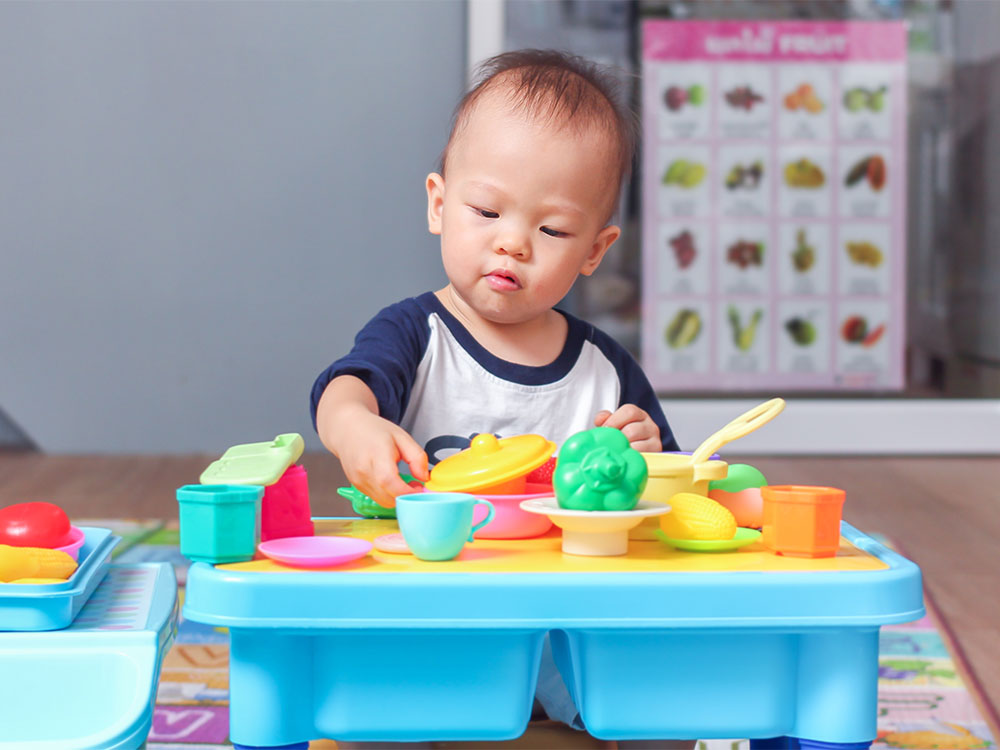
Encouraging communication helps babies learn to express themselves. It builds a strong bond between parents and newborns. Early communication support boosts language skills as babies grow.
Talking And Singing Often
Talk to your baby throughout the day. Describe what you are doing or what they see. Sing simple songs with clear words. Your voice helps your baby recognize sounds and rhythms.
Reading Aloud
Read books with bright pictures and easy words. Point to pictures and name them slowly. Reading aloud introduces new words and ideas. It also creates a calm, loving time together.
Responding To Baby’s Cues
Watch your baby’s sounds and movements carefully. Smile and talk back when they make noises. Copy their sounds and wait for their response. This shows your baby their efforts matter.
When To Seek Help
Tracking your newborn’s communication skills is exciting. Yet, some signs suggest it’s time to seek help. Early support can make a big difference. Knowing when to act helps your baby grow strong.
Warning Signs To Notice
Watch for these signs in your baby’s communication:
- No eye contact by 3 months.
- No smiling or social sounds by 4 months.
- Not responding to loud sounds by 6 months.
- No babbling or cooing by 7 months.
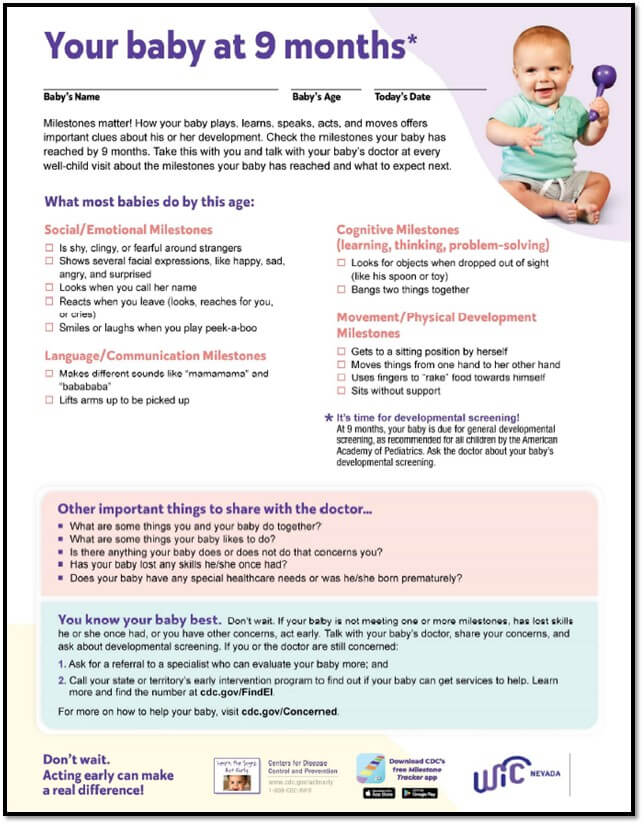
- Not turning toward voices by 9 months.
- No gestures like waving or pointing by 12 months.
These signs may indicate delays. Note any concerns early.
Consulting Pediatricians
Talk to your baby’s doctor about concerns. Pediatricians check hearing and development. They can guide if further tests are needed. Early advice helps catch problems fast. Doctors offer trusted support and advice.
Early Intervention Resources
Early help programs support babies with delays. They offer speech and hearing therapy. These services often start at home or clinics. Early intervention improves communication skills. Reach out to local health agencies for options.
Frequently Asked Questions
How Can I Track My Newborn’s Communication Milestones?
Observe your baby’s sounds, eye contact, and facial expressions regularly. Note cooing, babbling, and responsiveness to voices as key milestones.
What Are Early Signs Of Newborn Communication Development?
Early signs include crying with varied tones, making eye contact, mimicking facial expressions, and responding to sounds around them.
When Should I Be Concerned About Communication Delays?
If your newborn shows no sounds, eye contact, or responsiveness by 3 months, consult a pediatrician for evaluation.
How Do I Encourage Newborn Communication Growth?
Talk, sing, and read to your baby daily. Respond to their sounds and expressions to promote interaction and bonding.
Conclusion
Tracking your newborn’s communication helps you understand their needs clearly. Watch for sounds, eye contact, and gestures every day. These small signs show how your baby grows and learns. Stay patient and enjoy each new step your baby takes. Early attention supports healthy speech and bonding.
Keep notes and share progress with your doctor. Celebrate every little success along the way. This simple care builds a strong foundation for your child’s future.


