Your newborn’s first sounds and smiles are more than just heart-melting moments—they’re the building blocks of language. How you interact with your baby now shapes their ability to communicate for years to come.
Imagine giving your child the best start by simply knowing what to say and do during these early days. You’ll discover easy and effective ways to support your baby’s language development from the very beginning. Ready to unlock your newborn’s potential?
Let’s dive in.
Importance Of Early Language Skills
Early language skills lay the foundation for a child’s future learning and communication. Babies start to absorb sounds and words from their surroundings right after birth. This early exposure helps them understand and use language as they grow. Supporting these skills from the start shapes how well children speak, read, and connect with others later in life.
Brain Growth And Language
The brain develops rapidly in the first years of life. Language learning helps build strong brain connections. Every word a baby hears creates new pathways in the brain. These pathways make it easier for children to learn more words and concepts. Early language skills support thinking, memory, and problem-solving abilities.
Social And Emotional Benefits
Language lets babies express feelings and needs. This builds trust between babies and caregivers. Talking and listening help babies feel safe and understood. Strong early language skills improve social skills like sharing and cooperation. These skills help children form friendships and feel confident.

Creating A Language-rich Environment
Creating a language-rich environment helps newborns learn words and sounds early. This environment fills their world with words and conversations. It makes learning natural and fun. Babies absorb language from daily life around them.
Caregivers play a big role in this process. Talking and naming things often helps babies connect words with objects. Sounds, tones, and rhythms all teach language skills. A rich language setting supports brain growth and communication.
Talking Throughout The Day
Speak to your baby during routine tasks. Describe what you are doing simply and clearly. For example, say, “Now we are changing your diaper.” Your baby hears new words and meanings. This constant talking builds vocabulary and attention.
Use a warm, gentle voice. Babies respond to tone and expression. Repeat words and phrases often. This helps your baby recognize sounds and patterns. Even quiet moments are good for talking softly or singing.
Using Everyday Objects For Learning
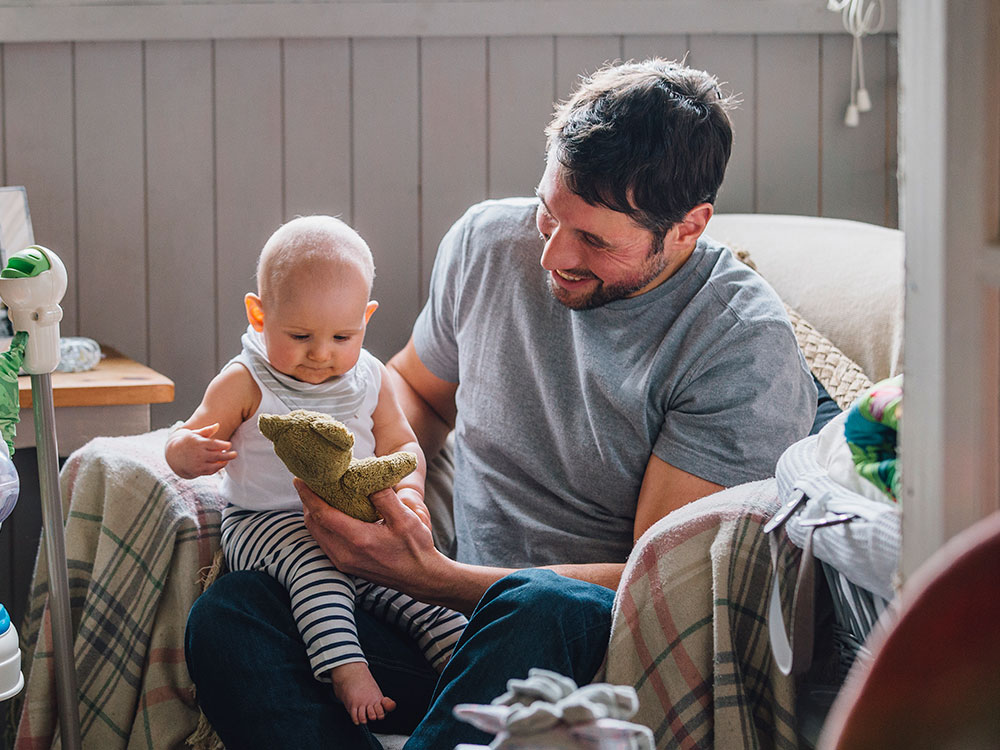
Objects around the house are great for teaching language. Name items like spoon, bottle, or blanket. Show your baby each object as you say its name. This links words to real things they see and touch.
Use simple sentences like, “Here is your cup.” Point to colors, shapes, and sizes. This makes learning more meaningful and clear. Touching and seeing objects helps babies remember words better.
Responsive Communication Techniques
Responsive communication helps babies learn language naturally. It means paying close attention to your baby’s sounds and actions. You respond in ways that show you understand and care. This makes your baby feel safe and eager to communicate more. Your reactions encourage your baby to try new sounds and expressions.
Following Baby’s Cues
Watch your baby closely. Notice their eye movements, gestures, and noises. These are signs they want to interact. When your baby looks at you or makes sounds, respond quickly. Smile, talk softly, or mimic their sounds. This shows you are listening. It helps your baby feel connected and valued. Following their cues builds a strong language foundation.
Expanding On Baby’s Sounds
When your baby makes sounds, add simple words or phrases. For example, if they say “ba,” you can say “ball” or “baby.” This teaches new words without pressure. Repeat their sounds and add variety. Use clear, slow speech. This helps your baby understand sounds and meanings. Expanding on their sounds encourages more talking and learning.
Reading To Your Newborn
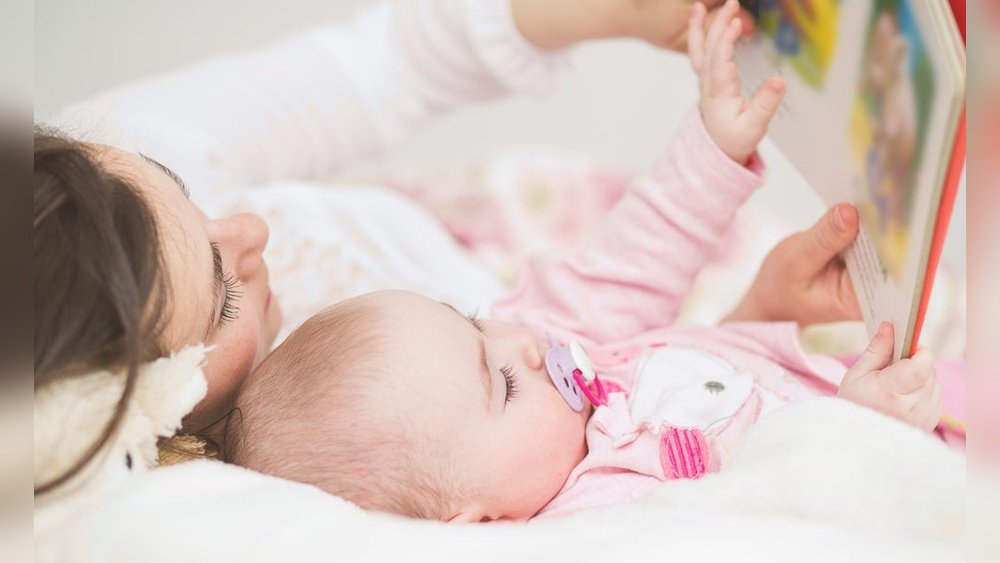
Reading to your newborn is a wonderful way to support early language development. It introduces sounds, words, and rhythms that babies begin to recognize. This activity also builds a strong bond between you and your baby. Starting early helps your child feel safe and loved while learning language.
Choosing Age-appropriate Books
Pick books with simple pictures and large, clear words. Bright colors and high-contrast images catch your baby’s attention. Books made of soft cloth or sturdy cardboard work best. Avoid books with many pages or complex stories. Short and simple content matches your newborn’s focus span.
Making Reading Interactive
Talk about the pictures and sounds in the book. Use different voices for characters or animals. Pause to let your baby look and listen. Smile and make eye contact to keep your baby engaged. Touch and point to objects to connect words with images. This interaction helps babies understand language better.
Singing And Rhymes
Singing and rhymes are wonderful tools for helping newborns learn language. These activities create a fun and calming environment. Babies love the sound of voices and music. This helps their brains grow and get ready for talking. Singing also builds a strong bond between parent and child. Rhymes introduce new words and sounds in a playful way. Both songs and rhymes teach rhythm and patterns in speech. This makes it easier for babies to understand language later.
Benefits Of Songs
Singing to newborns helps improve their listening skills. Songs expose babies to different sounds and tones. This variety supports brain development. Songs also teach babies about speech rhythms. Repeated singing builds memory and attention. Babies learn to recognize words through repetition. Singing calms babies, reducing stress and fussiness. It helps parents connect emotionally with their child. Songs create a positive learning experience. This lays the foundation for early language skills.
Simple Rhymes To Start
Choose short and easy rhymes to begin. Rhymes with clear, simple words work best. Examples include “Twinkle, Twinkle, Little Star” or “Pat-a-Cake.” Repeat rhymes often to help babies remember. Use hand motions or gentle clapping to add fun. Rhymes with rhythm and rhyme catch babies’ attention. Keep the tone soft and happy. This encourages babies to listen closely. Starting with simple rhymes makes language learning natural and enjoyable.
Encouraging Non-verbal Communication
Encouraging non-verbal communication plays a key role in early language development. Babies use gestures and expressions to share feelings and needs before speaking. Parents and caregivers can support this natural process by paying attention and responding to these signals. This helps babies feel understood and builds a strong connection. Non-verbal cues lay the foundation for speaking and listening skills later on.
Gestures And Facial Expressions
Babies communicate a lot through their hands and faces. Simple gestures like waving or pointing show interest and attention. Smiles and frowns express happiness or discomfort. Imitating these signs encourages babies to keep trying. Use clear, slow movements to help babies notice. Watching your face helps babies understand emotions and reactions. Nodding your head or shaking it shows yes or no. These small actions teach babies how to share ideas without words.
Using Sign Language Basics
Introducing basic sign language can support early communication. Simple signs like “more,” “milk,” or “all done” work well. Babies learn to use signs before they speak. This reduces frustration and helps express needs clearly. Start with a few signs and repeat them often. Combine signs with spoken words for better learning. Watch for your baby’s attempts and respond positively. Signing builds confidence and strengthens the bond between you.
Limiting Screen Time
Limiting screen time is crucial for newborns to develop strong language skills. Screens can distract babies from real human interaction. Babies learn language best by listening and responding to voices around them. Reducing screen exposure helps babies focus on sounds and speech in their environment.
Impact Of Screens On Language
Screens often show fast-moving images and sounds. This can confuse newborns and make it hard to follow speech. Babies need clear and slow speech to learn words. Screen time may reduce the chances for babies to practice talking and listening. Studies show too much screen time can delay speech development in infants.
Alternatives To Digital Media
Talking, singing, and reading aloud support language growth. These activities help babies hear new words and sounds clearly. Playing simple games like peek-a-boo encourages interaction and communication. Using toys that make sounds or music can also be helpful. Real human contact is the best way to boost early language skills.

Tracking Milestones And Seeking Help
Tracking language milestones helps parents understand their newborn’s progress. It shows how well a baby is learning to communicate. Early language skills grow fast. Watching these signs helps spot any delays early. Early action can improve a child’s future speech and learning.
Seeking help is important if a baby misses key milestones. Professionals give advice and support. They guide parents on how to help their child better. Early support makes a big difference in language development.
Typical Language Milestones
Babies start cooing by 6 to 8 weeks. By 3 months, they smile and respond to sounds. At 6 months, they babble and try different sounds. Around 9 months, babies understand simple words like “no” or “bye.” By 12 months, many say their first word. They also use gestures like waving or pointing. Milestones vary, but most follow this pattern.
When To Consult Professionals
Consult a doctor if a baby does not respond to sounds by 6 months. Lack of babbling or gestures by 12 months is a concern. If the baby does not say any words by 18 months, seek help. Professionals include pediatricians, speech therapists, and audiologists. Early evaluation helps find causes and start therapy. Getting help early supports better language growth.
Frequently Asked Questions
How Can I Encourage My Newborn’s Language Skills?
Talk to your newborn often using simple words. Use facial expressions and gestures to enhance understanding. Read books aloud daily to expose them to sounds and vocabulary. Respond to their coos and babbles to promote communication.
When Should I Start Supporting Language Development?
Start supporting language development from birth. Newborns learn language by hearing sounds and voices. Early interaction builds their listening and speaking skills. Consistent communication during daily routines is crucial for early language growth.
What Activities Boost Early Language Development?
Singing songs, reading picture books, and playing peek-a-boo help. These activities engage your newborn’s attention and promote sound recognition. Repetition and interaction strengthen neural pathways for language learning in the brain.
Why Is Talking Important For Newborn Language Growth?
Talking exposes newborns to vocabulary and speech patterns. It helps them recognize sounds and builds early communication skills. Frequent verbal interaction supports brain development and language acquisition from an early age.
Conclusion
Supporting early language development helps your newborn grow strong communication skills. Talk, sing, and read often to your baby every day. Respond to their sounds and expressions with smiles and words. These small steps build a foundation for future learning.
Patience and love make learning easier and more fun. Remember, each baby learns at their own pace. Keep encouraging and enjoying every moment together. This simple care shapes a bright language journey ahead.


