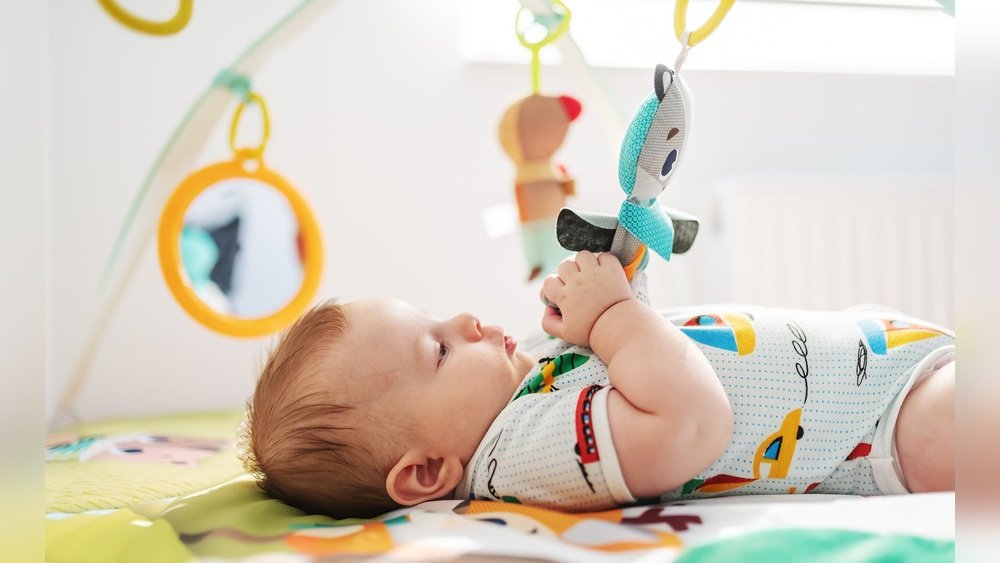
Your newborn is discovering the world bit by bit, and you play a key role in helping them grow. Stimulating your baby’s senses early on can boost their brain development and make them more curious and confident.
Imagine giving your little one the best start by simply knowing the right ways to engage their sight, sound, touch, taste, and smell. You’ll find easy and effective tips to help your baby’s sensory skills flourish every day. Keep reading to unlock simple actions that can make a big difference in your newborn’s growth and happiness.

Sensory Development Basics
Sensory development is a key part of a newborn’s growth. It helps babies understand the world around them. Each sense helps them learn and connect with their environment. Stimulating these senses supports brain growth and overall development. Simple activities can encourage this development early on.
Parents and caregivers play an important role. They provide experiences that help babies explore sights, sounds, and touch. Knowing the basics of sensory development guides caregivers to create the right environment. This creates a strong foundation for future learning and skills.
Key Senses In Newborns
Newborns use five main senses to experience the world. These include sight, hearing, touch, taste, and smell. Sight is blurry at first but improves quickly. Hearing is active from birth; babies recognize voices and sounds. Touch helps babies feel comfort and safety. Taste and smell develop through feeding and cuddling. Each sense plays a unique role in growth.
Caregivers can support these senses by using gentle sounds, soft textures, and bright colors. Talking, singing, and holding your baby close also help. These simple actions make senses stronger and keep babies curious.
Milestones To Watch
Newborns reach sensory milestones in their first months. By one month, many babies focus on faces and follow objects with their eyes. They turn toward sounds and voices. At two months, babies start to smile and respond to touch more. By three months, they reach for objects and show interest in new textures.
Watching these milestones helps caregivers understand progress. If a baby does not respond to sounds or touch, it may need extra attention. Early support ensures babies get the help they need for healthy sensory growth.

Visual Stimulation Techniques
Visual stimulation plays a key role in a newborn’s sensory development. It helps build the brain’s ability to see and understand the world. Simple techniques can support this important growth. Bright, clear images and slow movements catch a baby’s attention. These activities strengthen eye muscles and improve focus.
High-contrast Patterns
Newborns see high-contrast patterns best. Black and white images stand out clearly. Use books, cards, or toys with bold stripes or dots. Place them near your baby’s face during playtime. This encourages the eyes to focus and recognize shapes. High-contrast patterns help babies learn to track and identify objects.
Tracking Moving Objects
Tracking is the ability to follow a moving object with the eyes. Slowly move a toy or your finger from side to side. Keep it within your baby’s line of sight. This exercise trains the eye muscles and improves coordination. Tracking also helps babies connect visual input with movement. Repeat this often for steady progress in visual skills.
Auditory Stimulation Methods
Auditory stimulation helps newborns learn about the world through sounds. It supports brain growth and language skills. Simple activities can make a big difference in a baby’s hearing and understanding.
Soothing Sounds
Soft sounds calm a newborn and encourage listening. White noise machines or gentle rain sounds create a peaceful environment. These sounds help babies focus and feel secure. Play these sounds during naps or bedtime for comfort.
Interactive Talking And Singing
Talking to a newborn builds early communication skills. Use a soft, clear voice and simple words. Singing lullabies or nursery rhymes grabs the baby’s attention. These actions teach rhythm, tone, and language patterns. Respond to the baby’s coos to encourage interaction.
Tactile Stimulation Activities
Tactile stimulation helps newborns learn through touch. It is key to their sensory development. This kind of activity builds brain connections and improves body awareness. Parents and caregivers can use simple methods to encourage touch exploration.
Touch helps babies feel safe and calm. It also teaches them about different sensations. Tactile play supports growth in motor skills and emotional bonding. Try these easy activities to help your baby discover the world through touch.
Gentle Touch And Massage
Soft, gentle strokes soothe newborns. Use your fingers to stroke their arms, legs, and back. Massage helps relax muscles and improve circulation. It also creates a close bond between you and your baby. Use baby-safe oils or lotions for a smooth touch. Watch your baby’s reactions and stop if they seem uncomfortable.
Exploring Different Textures
Introduce your baby to various textures. Use soft blankets, smooth toys, or rough fabrics. Let them feel and hold these items gently. This practice helps babies understand new sensations. It also encourages hand movement and grasping skills. Always supervise to ensure safety during texture exploration.
Olfactory And Taste Stimulation
Olfactory and taste stimulation plays a key role in a newborn’s growth. These senses help babies recognize their environment and feel comfort. Early exposure to smells and tastes supports brain development and bonding.
Introducing gentle scents and varied flavors can boost sensory skills. Careful choices ensure safety and positive experiences. Simple activities can make a big difference.
Introducing Safe Scents
Start with soft, natural smells like fresh cotton or mild lavender. Avoid strong or artificial fragrances that might irritate a baby’s nose. Let your baby sniff gentle scents during calm moments.
Use clean cloths or toys with light scents. This helps your baby become familiar with different smells. Keep the scents around short and pleasant. Smell exploration builds comfort and curiosity.
Early Taste Experiences
Offer breast milk or formula as the first taste experience. These provide essential nutrients and familiar flavors. Gradually introduce simple tastes, like pureed fruits or vegetables, after consulting a pediatrician.
Keep portions small and observe reactions carefully. Taste variety supports healthy eating habits. New flavors excite the senses and encourage learning.
Safe Environment Setup
Setting up a safe environment is key for newborn sensory growth. Babies explore through senses like touch, sight, and sound. A safe space lets them do this freely without risk. Parents should focus on comfort and protection.
Safety helps babies learn confidently. It reduces stress for both baby and parent. The right setup includes careful choices of toys, furniture, and room layout. It supports healthy sensory experiences every day.
Creating Stimulating Spaces
Choose soft colors and gentle lighting to calm and engage. Textured blankets and toys invite touch and curiosity. Use mirrors safely placed for visual interest. Sounds should be mild and varied. Natural light adds warmth and promotes alertness.
Keep spaces open and clutter-free. This allows babies to move and explore easily. Rotate toys to keep the environment fresh and exciting. Small, safe objects encourage grasping and hand-eye coordination. Simple sensory boards are great for focused play.
Ensuring Safety During Play
Check all toys and materials for choking hazards. Secure furniture to prevent tipping or falling. Use soft mats or rugs to cushion falls. Avoid small parts or loose pieces. Keep electrical outlets covered and cords out of reach.
Supervise every play session closely. Clean toys and surfaces regularly to avoid germs. Maintain a comfortable room temperature. Remove sharp or hard objects from baby’s area. Safety first helps babies explore confidently and happily.
Role Of Routine And Interaction
Routine and interaction play a big role in a newborn’s sensory development. Babies learn best through repeated experiences. Regular patterns help them feel safe and ready to explore new sensations. Interaction with caregivers builds trust and encourages learning. These moments shape how babies understand the world around them.
Consistent Sensory Activities
Daily sensory activities support brain growth in newborns. Simple tasks like touching soft fabrics or listening to gentle sounds stimulate their senses. Keeping these activities consistent helps babies recognize and respond better. Repetition makes new experiences familiar and less scary. It also helps develop their focus and attention span.
Bonding Through Sensory Play
Sensory play creates strong bonds between babies and caregivers. Holding, talking, and playing with your baby teaches them about touch and sound. These interactions make babies feel loved and secure. They learn to trust their environment and the people around them. Sensory play also sparks curiosity and joy in newborns.

Frequently Asked Questions
How Can I Stimulate My Newborn’s Sensory Development?
Engage your newborn with gentle touch, soothing sounds, and colorful visuals. Use soft fabrics, lullabies, and mobiles to activate senses. Regularly talk and make eye contact to encourage sensory growth and bonding.
What Are The Best Sensory Activities For Newborns?
Simple activities like tummy time, gentle massage, and soft singing are effective. Introduce varied textures and safe toys to explore. These stimulate touch, hearing, and sight, promoting sensory development and cognitive skills.
When Should Sensory Stimulation Start For Newborns?
Sensory stimulation should begin immediately after birth. Early exposure helps develop neural pathways essential for learning. Gentle, consistent sensory experiences support brain growth and emotional bonding during the critical newborn period.
Can Sensory Play Improve Newborn’s Brain Development?
Yes, sensory play enhances brain connections by activating multiple senses. It supports motor skills, language, and emotional growth. Engaging newborns with varied stimuli encourages healthy cognitive and sensory development from the start.
Conclusion
Stimulating a newborn’s senses helps their brain grow strong and healthy. Simple activities like talking, touching, and showing colors make a big difference. Babies learn best through gentle, daily experiences with their caregivers. Keep the environment calm and safe for better focus.
Small moments of play and attention build lasting skills. Trust your natural bond to guide you in supporting your baby’s senses. Every little effort counts toward their early development. Enjoy these special times—they shape your baby’s world.


