Your newborn’s world is full of new sights, sounds, and sensations. Sometimes, all this can feel overwhelming for your little one, leading to fussiness and tears.
If you’ve ever struggled to calm your baby when they seem overstimulated, you’re not alone. But don’t worry—there are simple, effective ways you can soothe your baby and help them feel safe and calm again. Keep reading to discover practical tips that will bring peace to both you and your newborn.
Signs Of Overstimulation
Newborns can feel overwhelmed by too much noise, light, or activity. Their little brains get tired quickly from too many sensations. Recognizing the signs of overstimulation helps you calm your baby faster. It also prevents fussiness and helps your newborn feel safe.
Common Behavioral Cues
An overstimulated baby may turn their head away from people or toys. Crying starts suddenly and may sound louder or more urgent. Your baby might arch their back or stiffen their body. Sometimes, they will fuss or seem restless and unable to settle. These behaviors show they need a break from the environment.
Physical Symptoms To Watch
Watch for rapid breathing or hiccups in your newborn. Their face may look red or blotchy. Some babies open their mouth wide and yawn often. Shaking hands or legs can also be a sign. These physical signals mean your baby is feeling too much and needs calm and quiet.
Creating A Calm Environment
Creating a calm environment helps soothe an overstimulated newborn. It lowers stress and helps your baby feel safe. A peaceful space supports better sleep and quiet moments. You can make small changes that bring big comfort.
Reducing Noise And Light
Keep sounds soft and steady. Loud noises can scare or upset your baby. Use a white noise machine or soft music to mask harsh sounds. Dim the lights to avoid bright glare. Gentle lighting helps your baby relax and settle down.
Choosing Comfortable Surroundings
Select a cozy room with a comfortable temperature. Avoid strong smells that can bother your baby’s sensitive nose. Use soft blankets and clothes to keep your baby warm and calm. Clear clutter to make the space feel open and safe. A simple, quiet area helps your newborn feel peaceful and secure.
Soothing Touch And Movement
Soothing touch and gentle movement calm an overstimulated newborn quickly. Babies feel safe and secure with soft, steady contact. These techniques help lower stress and ease fussiness. Parents can use simple ways to comfort their little one.
Gentle Swaddling Techniques
Swaddling wraps the baby snugly in a soft cloth. This mimics the womb’s cozy feeling. Use a lightweight blanket for easy wrapping. Leave enough room for hip movement to avoid tightness. Make sure the swaddle is not too tight around the chest. This helps the baby breathe easily and feel calm. Swaddling reduces startle reflex, which wakes the baby suddenly. A well-swaddled baby often sleeps longer and feels safe.
Rocking And Swaying Methods
Rocking or swaying moves the baby gently back and forth. This motion soothes the nervous system and promotes relaxation. Hold your baby close, supporting the head and neck. Move slowly and smoothly to avoid startling. Use your arms, a rocking chair, or a baby swing. Soft rocking mimics the movements experienced before birth. This helps the baby settle and stop crying. Keep the rhythm steady for the best calming effect.
Using Sounds For Comfort
Sounds can calm an overstimulated newborn quickly. Babies hear many noises before birth. Soft, steady sounds remind them of the womb. These sounds help soothe and relax your baby. Using the right sounds creates a peaceful environment. It helps reduce fussiness and crying.
White Noise Benefits
White noise mimics the constant sounds babies hear in the womb. It blocks sudden, loud noises that startle your baby. This noise creates a steady, comforting background sound. White noise helps babies fall asleep faster and stay asleep longer. It can reduce stress and make your baby feel safe. Use a white noise machine or an app at low volume. Keep it on during naps and bedtime for best results.
Soft Singing And Shushing
Soft singing soothes babies with a gentle, loving tone. Your voice is familiar and comforting to your newborn. Singing lullabies or soft melodies can calm an upset baby. Shushing sounds imitate the womb’s whooshing noises. Make a soft “shhh” sound near your baby’s ear. This noise helps your baby relax and stop crying. Both singing and shushing create a calm, safe space for your newborn.
Feeding And Comforting
Feeding and comforting are key ways to calm an overstimulated newborn. Babies often cry to show they need something. Sometimes it is hunger. Other times, they want comfort. Understanding these signals helps soothe your baby quickly. Gentle feeding and comforting methods create a sense of safety and calm.
Recognizing Hunger Vs. Comfort Needs
Newborns have different cries for hunger and comfort. Hunger cries are rhythmic and grow louder. Comfort cries are softer and may sound like fussing. Watch for signs like sucking on fingers or lip movements. These often mean your baby is hungry. If your baby just wants to be held, they may turn their head or stop crying when picked up. Knowing these signs helps you respond well.
Pacifiers And Their Role
Pacifiers can help soothe a baby who is not hungry but upset. They satisfy the baby’s need to suck, which is calming. Using a pacifier can reduce crying and help your baby relax. Do not force the pacifier if the baby refuses it. Always keep it clean and safe. Pacifiers are a simple tool for comfort during overstimulation.
Establishing A Relaxing Routine
Creating a calming routine helps soothe an overstimulated newborn. Babies feel safer with a steady daily plan. A relaxing routine lowers stress and eases fussiness. It teaches babies to expect quiet and calm times. Parents also find comfort in a predictable schedule.
Consistent Sleep Patterns
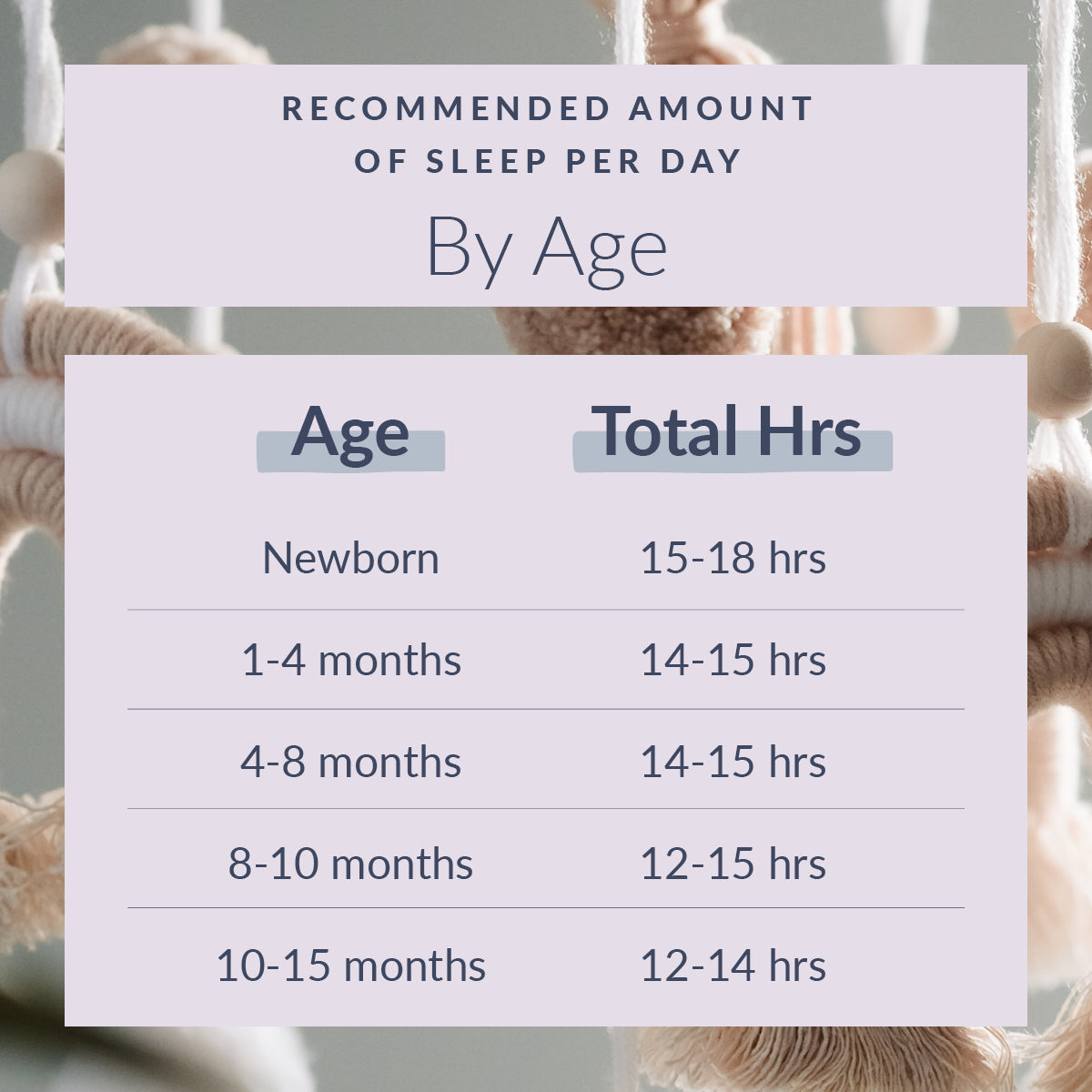
Set regular times for naps and bedtime. Consistency helps the baby’s body clock adjust. A well-rested baby cries less and feels peaceful. Avoid letting your baby stay awake too long. Watch for sleepy signs like rubbing eyes or yawning. A calm, dark room supports better sleep. Keep noise low and lights dim to help.
Wind-down Activities
Choose quiet activities before sleep to relax your newborn. Gentle rocking or soft singing works well. A warm bath can calm muscles and mind. Use a soft blanket to swaddle your baby. Avoid bright lights and loud sounds near bedtime. These activities signal the brain to slow down. Calm moments prepare your baby for rest.
When To Seek Help
Knowing when to seek help is very important for your newborn’s well-being. Sometimes, soothing techniques may not calm an overstimulated baby. You must watch for signs that need professional attention. Early action can prevent bigger problems and give you peace of mind.
Persistent Fussiness
Babies cry. It is normal. But fussiness that lasts for hours every day needs attention. If your baby stays upset despite comfort, it could signal an issue. Check if the crying happens at the same time daily. Note any changes in feeding or sleeping habits. Consult a doctor if fussiness continues beyond a few days.
Health Concerns To Monitor
Look for signs like fever, vomiting, or diarrhea. Breathing problems or a rash also require urgent care. If your baby shows poor feeding or seems very weak, act quickly. Sudden changes in behavior or muscle tone can be serious. Never ignore symptoms that worry you. Health professionals can provide the right help and advice.

Frequently Asked Questions
What Are Common Signs Of An Overstimulated Newborn?
An overstimulated newborn may cry excessively, fuss, or appear restless. They might turn their head away, yawn, or have rapid eye movements. Recognizing these signs helps parents respond promptly to soothe their baby effectively and prevent further distress.
How Can I Calm My Overstimulated Baby Quickly?
To calm your overstimulated baby, reduce noise and light immediately. Hold them close in a dim, quiet room. Gentle rocking, soft singing, or a pacifier can also help soothe and relax your newborn effectively.
Why Is Overstimulation Harmful For Newborns?
Overstimulation can cause stress, irritability, and disrupt sleep for newborns. It hampers their ability to self-soothe and may affect brain development. Limiting stimuli helps maintain their comfort and promotes healthy emotional growth.
When Should I Seek Help For Overstimulation In Newborns?
Seek professional advice if your baby’s fussiness persists despite soothing efforts. Also, consult a pediatrician if feeding or sleeping patterns worsen. Early intervention ensures proper care and addresses any underlying issues promptly.
Conclusion
Soothing an overstimulated newborn takes patience and calm. Quiet spaces help babies feel safe and relaxed. Gentle touch and soft voices can calm their senses. Keep lights dim and sounds low to avoid stress. Watch your baby’s cues to know what they need.
Small changes make a big difference for their comfort. Trust yourself and keep trying different ways. Every baby is unique and learns to settle in time. Helping your newborn stay calm builds a strong, loving bond.


