
Have you ever wondered why your newborn suddenly starts crying or seems upset even when all their needs appear met? Recognizing signs of frustration in your baby is key to understanding what they truly need.
When you can spot these signals early, you’ll respond better, helping your little one feel calm and secure. This article will guide you step-by-step on how to read your newborn’s cues with confidence. Keep reading—you’ll discover simple ways to make both your and your baby’s days easier and more peaceful.
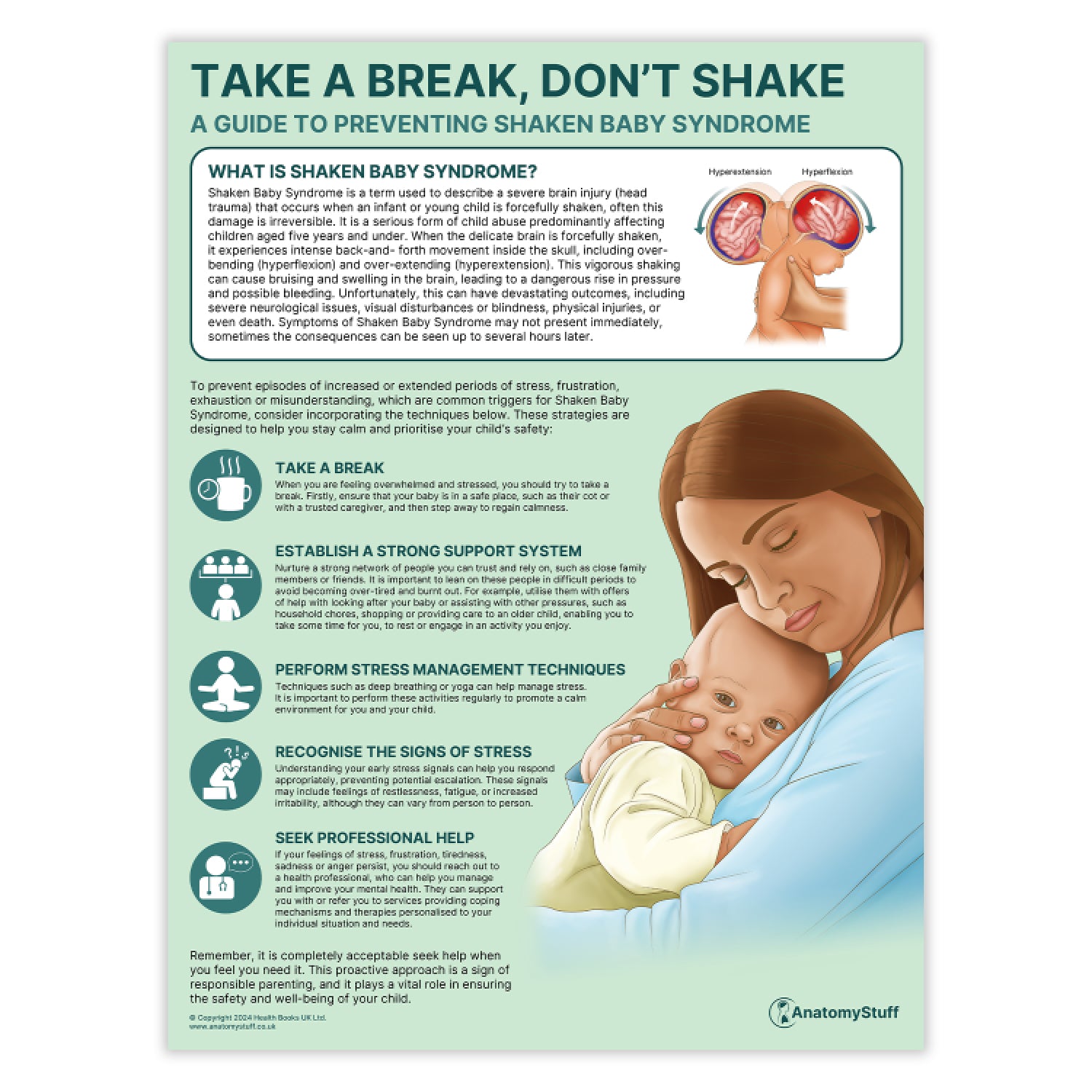
Common Frustration Cues
Babies cannot use words to say how they feel. Instead, they show frustration through simple signs. Parents and caregivers can watch these signs closely. Noticing them early helps calm the baby quickly. Understanding these common frustration cues builds a strong connection.
Facial Expressions
Facial expressions often tell a lot about a baby’s feelings. A furrowed brow or tight lips might mean frustration. Squinting eyes or a wrinkled nose also show discomfort. Some babies pout or make a frowning face. Watch for quick changes in expressions, too.
Body Movements
Body movements can signal frustration clearly. Babies may wave their arms or legs in a fast way. Stiffening the body or arching the back shows tension. Clenching fists or sudden jerks also mean upset. These movements often increase if the baby stays frustrated.
Vocal Sounds
Vocal sounds help express feelings without words. Babies might whine or make low cries. Short bursts of grunting or fussing are common signs. Loud crying or a rising pitch often shows growing frustration. Listening carefully helps parents respond well.
Behavioral Changes To Watch
Newborns communicate mainly through behavior. Watching for changes helps spot frustration early. These changes often show in feeding, sleeping, and crying habits. Recognizing them helps parents respond with care and patience.
Feeding Difficulties
Frustrated babies may refuse to eat or feed poorly. They might pull away from the breast or bottle. Some take shorter feeds or seem restless during feeding. This behavior signals discomfort or stress.
Sleep Disruptions
Frustration can disturb a newborn’s sleep patterns. Babies might wake often or have trouble settling down. They may appear restless and fussy before sleep. These disruptions affect their mood and growth.
Increased Crying
Crying is a common sign of frustration in newborns. The cries can be louder, sharper, or more frequent. This type of crying often lasts longer and is harder to soothe. It shows the baby is upset or needs help.
Causes Of Newborn Frustration
Newborns express their feelings mainly through sounds and body language. Frustration is common and shows when their needs are unmet. Recognizing what causes frustration helps parents respond quickly and gently. Understanding these causes supports a calm and happy baby.
Hunger And Thirst
Hunger is a main cause of newborn frustration. Babies need frequent feeding. Their small stomachs empty fast. When hungry, they may cry or fuss. Thirst also makes babies upset. Drinking enough fluids keeps them calm and comfortable.
Discomfort And Pain
Discomfort can make a baby feel frustrated. Wet or dirty diapers irritate their skin. Tight clothes or strange positions cause unease. Pain from gas or colic also leads to fussiness. Checking for these signs helps soothe your baby.
Overstimulation
Too much noise or light can overwhelm a newborn. Crowded rooms and loud sounds cause stress. Babies may become fussy or restless. Quiet and soft environments help reduce overstimulation. Restful surroundings calm a frustrated baby.

Soothing Techniques
Soothing a frustrated newborn helps calm their distress quickly. It also builds trust and comfort between you and your baby. Simple techniques can ease their frustration and make them feel safe. Try these gentle methods to help your little one relax and smile again.
Gentle Touch And Holding
Soft, gentle touch soothes most babies instantly. Hold your newborn close and let them feel your warmth. Rocking slowly or swaying can calm their nerves. Skin-to-skin contact often brings quick comfort. This closeness helps your baby feel safe and loved.
Calming Sounds
Soft sounds can relax a frustrated newborn. Try humming quietly or singing a gentle lullaby. White noise, like a fan or soft music, works well too. These sounds remind babies of the womb. They feel secure and less upset.
Creating A Comfortable Environment
Make your baby’s space cozy and calm. Dim the lights and reduce loud noises. Keep the room warm but not too hot. Swaddle your baby to add a sense of security. A quiet, comfy space helps them settle faster.
When To Seek Help
Knowing when to seek help for a frustrated newborn is very important. Babies cannot tell us what is wrong. Parents must watch for signs that need attention. Early action can prevent problems from getting worse. Understanding when to get help keeps your baby safe and calm.
Persistent Symptoms
Some signs of frustration may go away quickly. Watch if your baby cries a lot without stopping. Look for constant fussiness or trouble sleeping. These symptoms lasting more than a few hours need care. Persistent symptoms could mean your baby is uncomfortable or unwell.
Signs Of Medical Issues
Frustration might hide a health problem. Check for fever, vomiting, or diarrhea. Notice if your baby refuses to eat or drink. Breathing problems or unusual skin color are serious signs. These issues require immediate medical attention to protect your baby.
Consulting Healthcare Providers
Contact a doctor or nurse if you are worried. They can help find the cause of frustration. Bring notes about your baby’s behavior and symptoms. Follow their advice carefully to help your baby feel better. Early help leads to faster recovery and peace of mind.

Frequently Asked Questions
What Are Common Signs Of Newborn Frustration?
Newborns show frustration through crying, fussiness, and restlessness. They may clench fists, arch their backs, or turn their heads away. Recognizing these signals helps caregivers respond promptly and soothe the baby effectively.
How To Differentiate Frustration From Hunger In Newborns?
Frustration crying is often short, sharp, and intense. Hunger cries are rhythmic and grow louder over time. Observing other cues like rooting or lip-smacking helps distinguish hunger from frustration.
Why Is Recognizing Newborn Frustration Important?
Early recognition prevents prolonged distress and supports emotional development. It helps caregivers address the baby’s needs quickly. This creates a secure and comforting environment for the newborn.
Can Overstimulation Cause Frustration In Newborns?
Yes, overstimulation can overwhelm a newborn, causing frustration signs like crying and turning away. Reducing noise, light, and activity helps calm the baby and prevent frustration.
Conclusion
Recognizing frustration signs in newborns helps parents respond with care. Babies show feelings through crying, fussiness, or stiff movements. Noticing these signs early can prevent stress for both baby and parent. Trust your instincts and observe your baby closely every day.
Small changes in behavior often reveal big feelings. Stay patient and gentle during these moments. Understanding your newborn’s signals builds a stronger bond. Keep learning and caring with love and attention. This awareness supports your baby’s comfort and growth.


