Your newborn’s growth is one of the most exciting and important parts of early parenthood. But how do you know if your baby is growing just right?
Sometimes, growth can take unexpected turns that may signal a problem. Learning how to recognize abnormal growth patterns in your newborn can help you act quickly and keep your little one healthy. This article will guide you step-by-step, using clear signs and simple tips, so you can feel confident about your baby’s development.
Keep reading to discover what to watch for and when to seek help—because your baby’s health matters most.
Normal Growth Milestones
Normal growth milestones help track a newborn’s health. Babies grow fast in the first months. Parents should know what to expect. This knowledge makes it easier to spot unusual changes. Growth includes weight, length, and head size.
Typical Weight Gain
Newborns usually gain about 5 to 7 ounces per week. This rate lasts for the first four to six months. Babies often lose some weight in the first days. It is normal to lose up to 10%. Weight gain should start again soon after.
Standard Length And Head Circumference
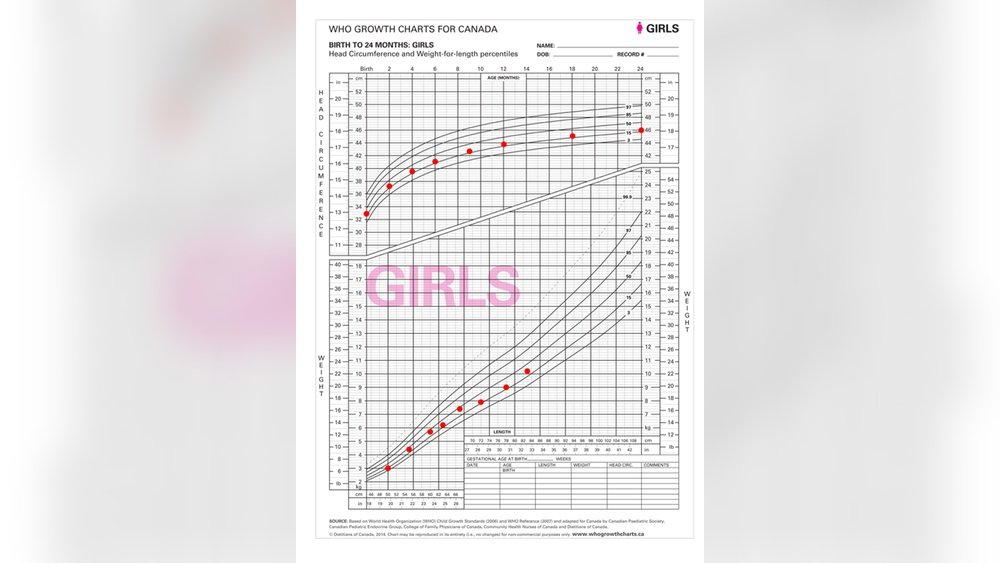
Newborn length grows about 1 inch each month in early months. Head circumference also grows about 0.5 inches per month. Both measurements show brain and body growth. Regular checks ensure the baby develops well.
Growth Spurts Timeline
Growth spurts happen suddenly and last a few days. Common spurts occur around 7-10 days, 3 weeks, 6 weeks, and 3 months. Babies may eat more and be fussier during these times. Growth spurts signal healthy development.
Signs Of Abnormal Growth
Recognizing signs of abnormal growth in newborns is important for early care. Growth patterns tell a lot about a baby’s health. Watching these signs helps parents and doctors act fast. Some changes may seem small but can signal a need for medical attention.
Slow Or Rapid Weight Changes
Weight gain should be steady but not too fast. Slow weight gain might show feeding problems or illness. Rapid weight gain can also be a concern. Both need to be checked by a healthcare provider. Tracking weight regularly helps spot these changes early.
Unusual Head Size
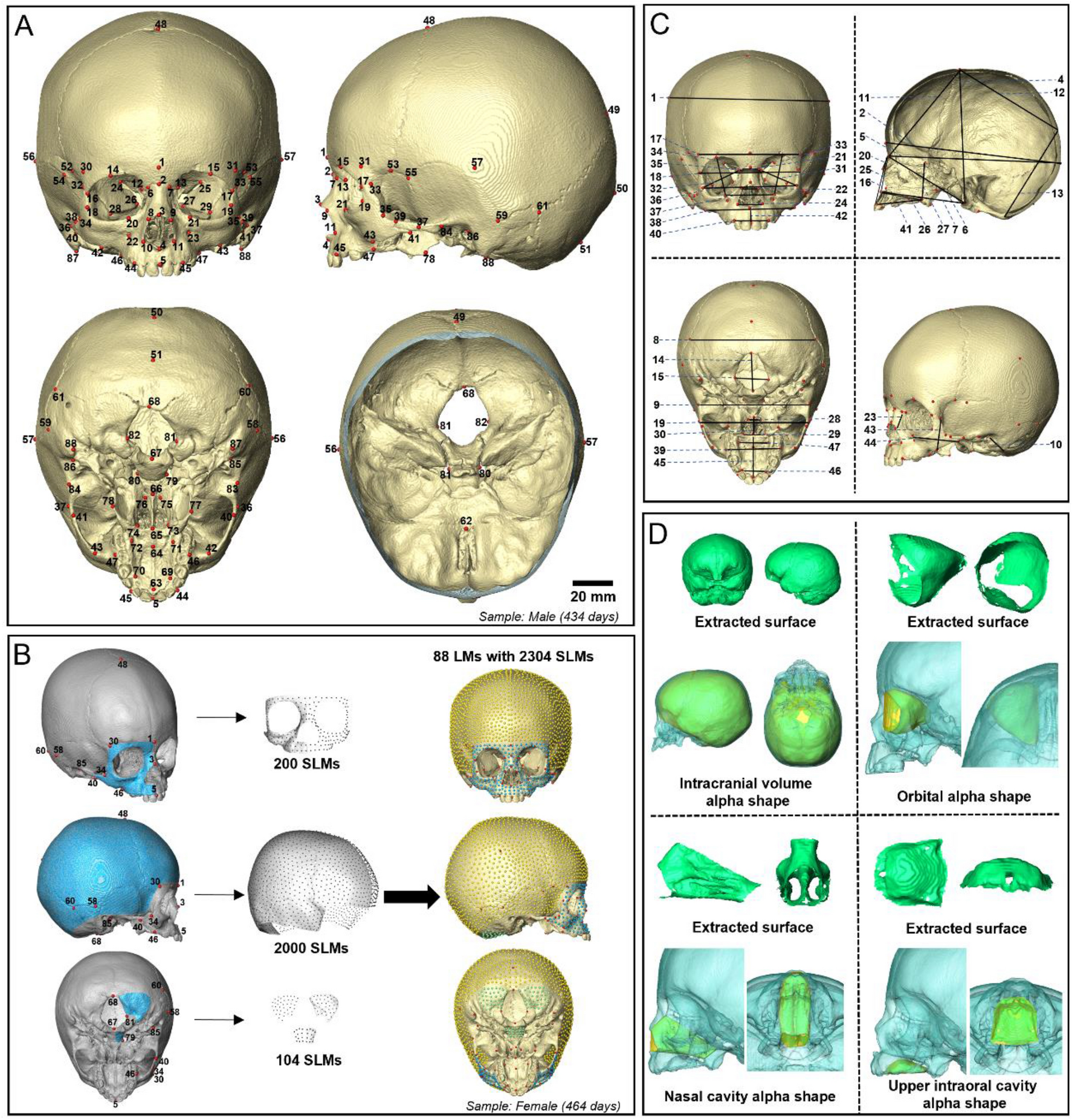
A baby’s head grows quickly in the first year. Too small or too large heads may mean health issues. A big head can indicate fluid buildup or brain swelling. A small head might show delayed brain growth. Doctors measure head size at visits to monitor growth.
Delayed Physical Development
Newborns reach physical milestones like lifting the head or rolling over. Delays in these actions might signal abnormal growth. Watch if your baby struggles with movement or muscle strength. Early therapy can help if delays are spotted. Comparing progress with typical milestones guides parents.
Common Causes Of Growth Issues
Growth problems in newborns often stem from specific health issues. Knowing these causes helps parents and caregivers act early. Early action can improve the baby’s health and development.
Nutritional Deficiencies
Nutrition plays a key role in a baby’s growth. Lack of vitamins and minerals can slow growth. Poor feeding habits or milk supply issues may cause deficiencies. Common problems include low iron, vitamin D, and protein. Proper nutrition supports strong bones and healthy weight gain.
Genetic Disorders
Some babies have inherited conditions that affect growth. These disorders can limit height, weight, or organ development. Examples include Down syndrome and Turner syndrome. Genetic tests help diagnose these conditions early. Knowing the cause guides doctors in providing the right care.
Chronic Illnesses
Long-term illnesses can stop normal growth in babies. Problems like heart disease, lung issues, or infections stress the body. This stress uses energy that the baby needs to grow. Treating the illness may improve growth over time. Monitoring growth helps track the baby’s health progress.
Monitoring Growth At Home
Monitoring your newborn’s growth at home is important for spotting any unusual changes early. Regular checks help ensure your baby is developing well. You can track growth through simple methods that anyone can do.
Measuring Techniques
Use a soft measuring tape to check your baby’s length. Lay your baby flat on a surface. Gently stretch the tape from head to heel. Weigh your baby using a reliable scale. Make sure the scale is on a flat surface. Weigh your baby without clothes for accuracy. Measure head circumference by wrapping the tape around the widest part of the head.
Tracking Growth Charts
Record measurements on a growth chart regularly. This shows your baby’s progress over time. Use charts from trusted sources like pediatricians or health organizations. Compare your baby’s data to average growth patterns. Look for steady growth rather than sudden changes. Keep a log to share with your doctor during visits.
When To Seek Medical Advice
Contact a doctor if your baby’s growth is very slow. Sudden weight loss or no weight gain needs attention. Unusual head size changes also require medical advice. If your baby is smaller or larger than most babies at the same age, check with a pediatrician. Early help can prevent future health issues.
Medical Evaluations And Tests
Medical evaluations and tests help doctors find abnormal growth in newborns early. These steps check the baby’s body and organs closely. Detecting issues early can lead to better care and treatment.
Physical Examinations
Doctors measure the baby’s length, weight, and head size. They check skin, muscles, and bones for any unusual signs. These exams also look for birthmarks or swelling. Regular check-ups track growth changes over time.
Imaging And Laboratory Tests
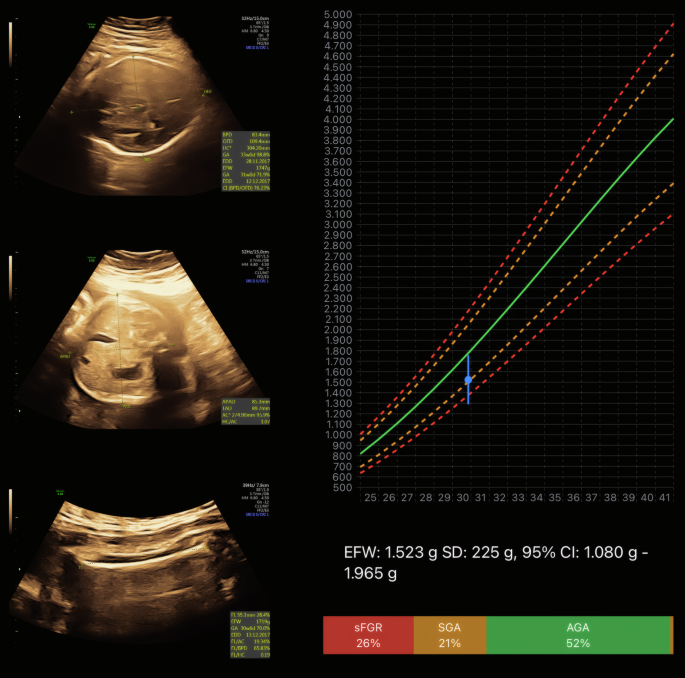
X-rays or ultrasounds can show problems inside the body. Blood tests check hormone levels and nutrition status. These tests find infections or genetic disorders. They give a clear picture of the baby’s health.
Specialist Consultations
Doctors may refer newborns to specialists like endocrinologists or geneticists. These experts study specific growth issues in detail. They provide advice and treatment plans. Early specialist care helps improve outcomes for the baby.
Treatment Options
Treatment options for abnormal growth patterns in newborns focus on helping the baby reach healthy development milestones. Early care can improve long-term health and growth. Doctors choose treatments based on the baby’s specific needs and the cause of abnormal growth.
Nutritional Interventions
Nutrition plays a key role in supporting growth. Special feeding plans may include higher calorie formulas or breast milk fortifiers. Sometimes, supplements with vitamins and minerals are needed. Proper nutrition helps the baby gain weight and develop properly.
Medical Therapies
Medical treatment may involve hormone therapy or medications. Doctors may prescribe growth hormones for babies with certain deficiencies. Treating underlying medical conditions can also improve growth. Regular monitoring ensures treatments work well and are safe.
Follow-up Care
Continuous follow-up is important to track the baby’s progress. Doctors schedule regular visits to measure growth and adjust treatments. Early detection of any new issues allows quick action. Follow-up care supports steady, healthy development over time.
Preventing Growth Problems
Preventing growth problems in newborns starts early. Careful steps help ensure babies grow healthy and strong. Parents and caregivers play a key role in spotting issues before they become serious. Simple habits and regular checkups support steady growth and development.
Prenatal Care Importance
Good prenatal care helps prevent growth problems. Doctors check the mother’s health and baby’s progress. Healthy eating and avoiding harmful substances protect the baby. Regular visits catch problems early. This gives the baby a strong start in life.
Breastfeeding Benefits
Breastfeeding provides the perfect nutrition for newborns. It supports healthy weight gain and immune defense. Breast milk contains important vitamins and antibodies. Breastfeeding also helps the baby’s brain develop well. Feeding on demand helps maintain steady growth.
Regular Pediatric Checkups
Regular visits to the pediatrician track the baby’s growth. Doctors measure weight, length, and head size. They compare results to growth charts. Early signs of abnormal growth are easier to catch. Timely advice or treatment helps prevent long-term problems.

Frequently Asked Questions
What Are Common Signs Of Abnormal Growth In Newborns?
Common signs include unusual head size, inconsistent weight gain, and delayed physical milestones. Monitoring these helps detect potential growth issues early.
How Often Should Newborn Growth Be Monitored?
Newborn growth should be checked regularly during the first year, typically at each pediatric visit, to track development accurately.
When To Consult A Doctor About Newborn Growth Concerns?
Consult a doctor if your newborn shows sudden weight loss, slow growth, or physical abnormalities. Early evaluation is crucial.
Can Abnormal Growth Patterns Indicate Health Problems?
Yes, abnormal growth can signal nutritional deficiencies, genetic conditions, or hormonal imbalances requiring timely medical intervention.
Conclusion
Recognizing abnormal growth patterns in newborns is very important. Early action helps keep babies healthy. Watch for changes in size, weight, and feeding habits. Talk to your doctor if something feels unusual. Trust your instincts and stay informed. Caring parents notice small signs early.
This care supports your baby’s strong start. Keep learning and stay alert. Your attention makes a big difference.


