
Are you wondering how to help your newborn’s brain grow and develop right from the start? Providing the right kind of sounds can make a big difference in your baby’s hearing and learning skills.
You might not realize it, but simple actions you take every day can boost your baby’s brain power and create a strong bond between you two. Keep reading to discover easy and effective ways to provide auditory stimulation that your newborn will love—and that will support their healthy development.
Benefits Of Auditory Stimulation
Auditory stimulation plays a key role in a newborn’s growth. Sounds help babies learn about the world. They also support many important skills. These benefits affect brain, language, and emotions.
Providing gentle sounds helps babies develop faster. It creates a strong base for learning and bonding. Parents and caregivers can use simple sounds to help babies thrive.
Brain Development
Sounds help build connections in the baby’s brain. These connections grow stronger with regular exposure to sounds. Early sound experiences improve memory and focus. The brain learns to recognize patterns in noises. This process supports overall brain health and growth.
Language Skills
Hearing different sounds helps babies learn to speak. They start to understand words and meanings. Early sound exposure improves listening and speaking skills later. Babies copy sounds and rhythms they hear often. This practice is important for clear communication in the future.
Emotional Bonding
Sounds from parents create a sense of safety for babies. Soft voices and lullabies comfort and calm them. This helps build trust between baby and parent. Emotional bonds grow stronger with shared sound experiences. It supports the baby’s feeling of love and care.
Safe Sound Levels
Providing safe sound levels is vital for a newborn’s healthy development. Their ears are very sensitive and delicate. Loud sounds can cause stress or even damage. Ensuring sounds are gentle and soothing helps babies feel calm and secure.
Parents and caregivers should be mindful of the volume and type of sounds around the baby. Creating a peaceful auditory environment supports better sleep and brain growth. Safe sound levels protect hearing and encourage positive responses to sounds.
Recommended Volume
Keep sound levels below 50 decibels near your newborn. This volume is similar to a quiet conversation or soft music. Use a sound meter app to check noise levels at home. Avoid raising your voice or playing loud music close to the baby. Soft voices and gentle sounds are best for auditory stimulation.
Avoiding Harmful Noises
Steer clear of sudden, loud noises like alarms or shouting. These can startle and upset your baby. Also, avoid noisy appliances and crowded places with high noise levels. Protect your newborn’s ears by limiting exposure to traffic or construction sounds. Quiet times help your baby rest and process new sounds safely.
Natural Sounds To Use
Natural sounds help newborns feel calm and safe. These sounds support early brain growth. They also help babies learn to recognize voices and melodies. Using natural sounds is simple and effective for auditory stimulation. Here are some great options to try.
Parent’s Voice
A parent’s voice is the most comforting sound for a baby. Newborns can hear and recognize their parents from birth. Talking, singing, or reading softly helps build a strong bond. It also encourages language development early on. Use a gentle tone and speak clearly. This makes sounds easier for your baby to understand.
Lullabies And Soft Music
Lullabies soothe babies and create a peaceful environment. Soft music with slow rhythms is best. Simple melodies help babies focus and relax. Choose songs with a steady beat and calm instruments. Playing lullabies during nap time supports better sleep. Sing along or use a music player at low volume.
Nature Sounds
Nature sounds like rain, ocean waves, and birdsong are calming. These sounds mimic the womb’s gentle background noise. They help babies feel secure and relaxed. Playing nature sounds softly can improve mood and reduce fussiness. Use recordings of natural environments or play sounds from outside.
Interactive Techniques
Interactive techniques help newborns learn through sound and play. These methods create a fun and rich sound environment. Babies respond well to voices and music. They also enjoy toys that make noise. Parents can use simple activities to boost auditory skills. These activities encourage babies to listen and react.
Talking And Singing
Talk to your baby often. Use a soft and clear voice. Describe what you are doing around them. Sing simple songs or lullabies. Repeating words helps babies recognize sounds. Singing also calms and comforts newborns. Your voice is the first sound they know well. It builds trust and connection. Make eye contact while talking or singing. This keeps your baby interested and focused.
Using Toys And Instruments
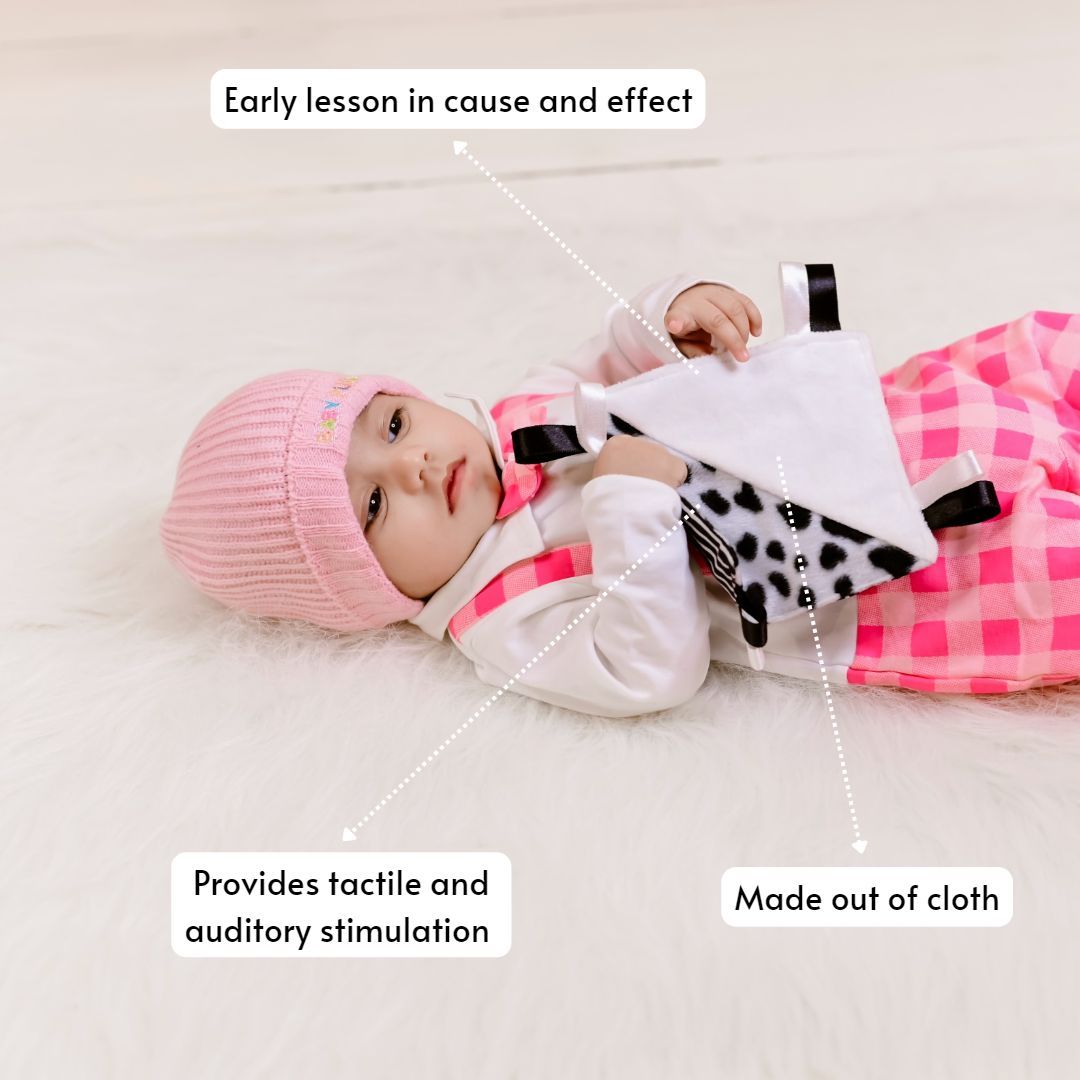
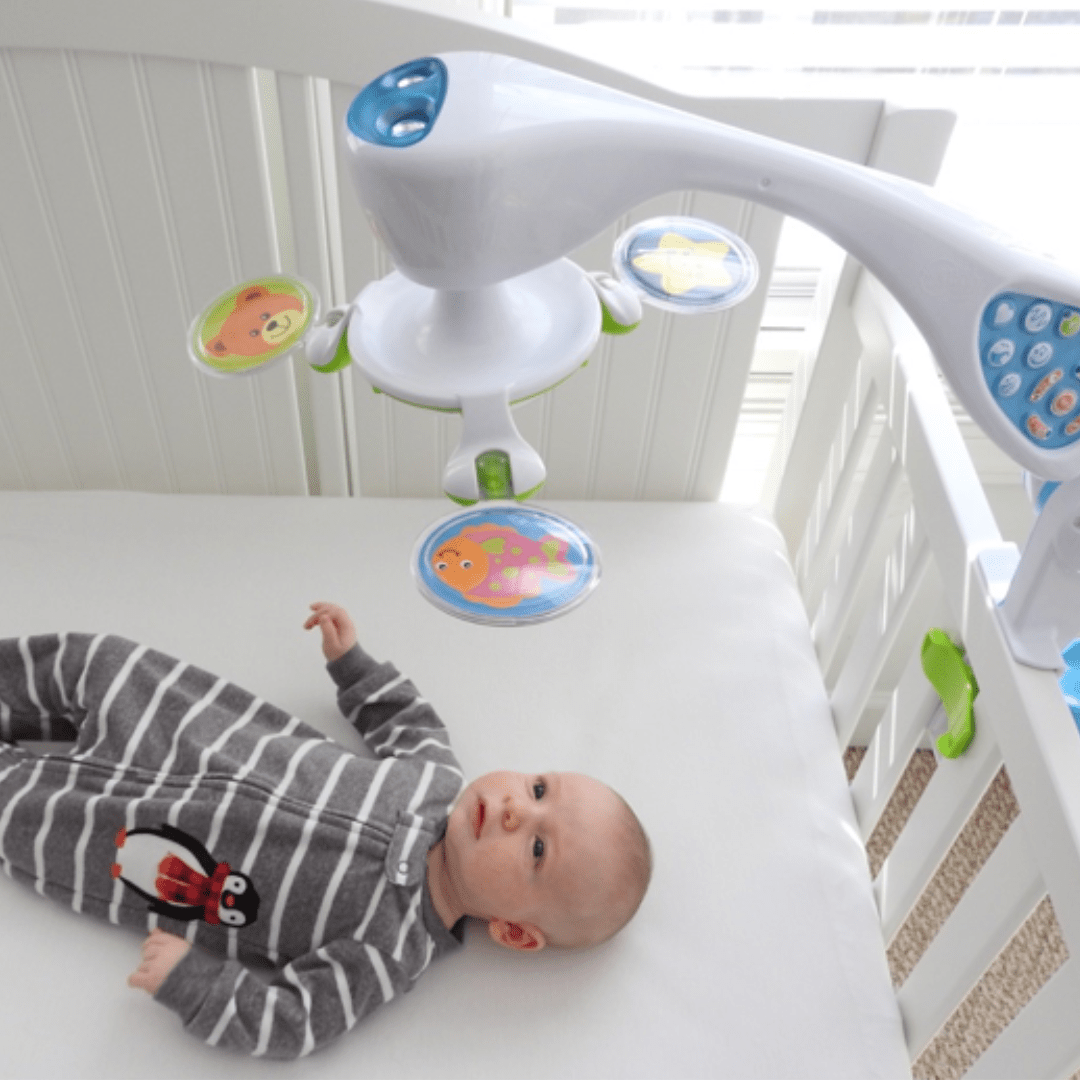
Introduce toys that produce gentle sounds. Soft rattles, bells, and musical mobiles work well. Shake or tap toys near your baby’s ear. Let them listen to different tones and rhythms. Simple instruments like drums or xylophones are fun too. They encourage babies to explore sounds with hands. Avoid loud noises that might scare your baby. Keep sounds soft and soothing. This helps your baby enjoy and learn from sounds.
Timing And Frequency
Timing and frequency are key when providing auditory stimulation for newborns. The right moments and duration help babies absorb sounds without feeling overwhelmed. Consistent but gentle exposure supports healthy brain development.
Best Times For Stimulation
Choose quiet, calm parts of the day for sound activities. Morning and early afternoon are often good times. Babies are usually alert and receptive after feeding and some rest. Avoid stimulating right before sleep to keep them calm.
Duration And Breaks
Keep sessions short, around 5 to 10 minutes at first. Newborns can get tired or fussy if overstimulated. Give breaks between sessions to let the baby rest. Repeat gentle sounds several times a day, but not for long stretches. Balance is important for positive learning.

Signs Of Overstimulation
Newborns enjoy sounds, but too much can overwhelm them quickly. Overstimulation means your baby feels stressed by too much noise or activity. It is important to spot early signs to keep your baby calm and happy.
Recognizing Stress
Look for fussiness or crying that seems different from normal. Your baby may turn their head away from sounds or close their eyes tightly. They might start to yawn often or have stiff arms and legs. These signs show your baby needs a break from noise and activity.
Adjusting Stimulus
Lower the volume or pause sounds if your baby shows stress signs. Use softer sounds or speak gently to comfort your newborn. Create quiet moments to help your baby relax and feel safe. Watch their reactions and change the sounds based on their needs.
Incorporating Auditory Stimulation Daily
Incorporating auditory stimulation daily helps newborns learn and grow. Sounds teach babies about the world around them. Simple activities can make sound part of every day. Consistent exposure to gentle noises supports brain development. Parents can easily add sounds during normal routines.
Routine Activities
Talk to your baby during feeding times. Sing lullabies softly while changing diapers. Play calm music during bath time. Use different voices and tones for variety. These moments build sound recognition and comfort. Gentle sounds help babies feel safe and loved.
Combining With Other Senses
Pair sounds with touch, like gentle strokes or hugs. Show colorful toys while making soft sounds. Use scented lotions while speaking softly. Mixing senses helps babies focus and learn faster. Sensory combinations make experiences richer and more fun.
Frequently Asked Questions
What Is Auditory Stimulation For Newborns?
Auditory stimulation involves exposing newborns to sounds that promote brain development. It helps improve their hearing, language skills, and cognitive growth. Simple activities like talking, singing, or playing soft music offer effective auditory stimulation for babies.
When Should Auditory Stimulation Start For Newborns?
Auditory stimulation should begin right after birth. Newborns can hear sounds in the womb, so continuing this exposure is vital. Early auditory experiences support neural connections and enhance language and social development.
How Can Parents Provide Auditory Stimulation Safely?
Parents can provide stimulation by speaking softly, singing lullabies, or playing gentle music. Avoid loud or sudden noises to protect sensitive newborn ears. Consistent, calming sounds create a secure environment that encourages auditory learning.
Which Sounds Are Best For Newborn Auditory Stimulation?
Soft voices, lullabies, white noise, and nature sounds work best. These sounds are soothing and help newborns focus. Avoid harsh or loud noises that may startle or stress the baby.
Conclusion
Providing good sounds helps babies grow and learn faster. Talk, sing, and play soft music often. These small actions build strong brain connections. Babies love hearing your voice; it makes them feel safe. Keep sounds gentle and clear to avoid stress.
Try different noises like nature or gentle toys. These steps support your baby’s hearing and speech skills. Enjoy the special moments of sound with your newborn. Sound helps your baby explore the world around them. Simple, loving sounds make a big difference every day.


