
Your newborn’s brain is growing faster than ever, and what you do now can shape their future in amazing ways. You might wonder how to give your baby the best start for thinking, learning, and understanding the world.
The good news is, simple everyday actions can boost your little one’s cognitive development right from the start. Keep reading to discover easy, practical steps you can take today to help your baby’s brain grow strong and healthy. You’ll feel confident knowing you’re doing exactly what your child needs to thrive.
Early Brain Growth
Early brain growth sets the foundation for a newborn’s future learning and development. In the first months, the brain forms many new connections rapidly. These connections help the baby learn about the world through senses and interactions. Supporting this stage helps build strong neural pathways that aid thinking and memory.
Critical Development Stages
The brain grows fastest in the first two years of life. During this time, neurons form trillions of connections. These links increase as the baby explores and experiences new things. Key skills like vision, hearing, and movement develop early. Language skills start to emerge as babies listen and respond. Each stage builds on the last, shaping how the child will learn later.
Role Of Genetics And Environment
Genes provide the basic blueprint for brain growth. They influence how the brain forms and functions. The environment shapes how these genes express and develop connections. Loving care, safe surroundings, and stimulating activities encourage healthy growth. Stress or neglect can slow brain development. Both nature and nurture work together to form a strong mind.

Stimulating Senses
Stimulating a newborn’s senses supports brain growth and learning. Each sense helps babies understand the world around them. Providing varied sensory experiences boosts cognitive skills.
Visual Engagement
Newborns notice shapes and colors best. Use high-contrast patterns like black and white. Move objects slowly to catch their attention. Bright colors help develop focus and tracking skills. Show different faces to encourage recognition and bonding.
Auditory Stimulation
Sounds help babies learn language and rhythm. Talk gently to your newborn often. Play soft music or nature sounds. Singing simple songs calms and entertains. Respond to their coos to encourage communication.
Tactile Experiences
Touch teaches babies about texture and temperature. Use soft blankets, gentle massages, or different fabrics. Let them feel safe skin-to-skin contact. Vary the touch pressure for sensory awareness. Tactile play helps develop fine motor skills.
Responsive Interactions
Responsive interactions play a key role in a newborn’s brain growth. These moments help babies learn about the world and build trust. Caregivers who respond to a baby’s sounds and movements create strong connections. This attention supports the baby’s thinking and emotional skills. Here are some ways to encourage cognitive development through responsive interactions.
Talking And Singing
Talking to your newborn helps them recognize sounds and words. Use simple sentences and a gentle voice. Singing soft songs also captures their attention. Babies enjoy the rhythm and tone of your voice. These activities boost language skills and listening abilities.
Reading Aloud
Reading aloud introduces babies to new sounds and ideas. Choose books with bright pictures and clear words. Pause often to show images and watch your baby’s reactions. This practice builds early vocabulary and focus. It also encourages curiosity about stories and language.
Emotional Bonding
Emotional bonding strengthens the baby’s sense of safety. Hold your baby close and make eye contact. Smile and respond to their coos and cries. This connection helps the baby feel loved and secure. A secure baby is more ready to explore and learn.

Healthy Nutrition
Healthy nutrition plays a key role in a newborn’s brain growth. It gives the building blocks for strong cognitive skills. The right food supports brain cells and helps with learning and memory. Early nutrition sets a foundation for future mental abilities.
Breastfeeding Benefits
Breast milk has many nutrients that help brain development. It contains fatty acids like DHA, which improve brain function. Breastfeeding also provides antibodies that protect the baby’s health. This natural food adjusts to the baby’s needs over time. It supports better focus and faster thinking in babies.
Nutrient Essentials
Some nutrients are vital for brain growth. Iron helps carry oxygen to the brain. Zinc supports brain cell communication. Vitamins like B6 and B12 boost energy and brain health. Including these in the baby’s diet aids learning and memory. Proper nutrition reduces risks of developmental delays.
Hydration Tips
Water keeps the brain hydrated and working well. Newborns get most fluids from breast milk or formula. Watch for signs of thirst like fussiness or dry mouth. Offer small amounts of water only after six months. Staying hydrated supports clear thinking and alertness.
Safe Exploration
Safe exploration is key to helping newborns grow and learn. It lets babies discover their world while staying protected. This balance supports brain development and builds confidence.
Parents can create a safe space that invites curiosity. This space helps babies explore without danger. Small steps in safe exploration lead to big progress in thinking and movement.
Tummy Time Importance
Tummy time strengthens a baby’s neck, back, and shoulder muscles. It helps develop motor skills needed for crawling and sitting. Short, supervised tummy time sessions boost brain connections. Make tummy time fun with toys or a soft mat. Start with a few minutes and increase daily.
Age-appropriate Toys
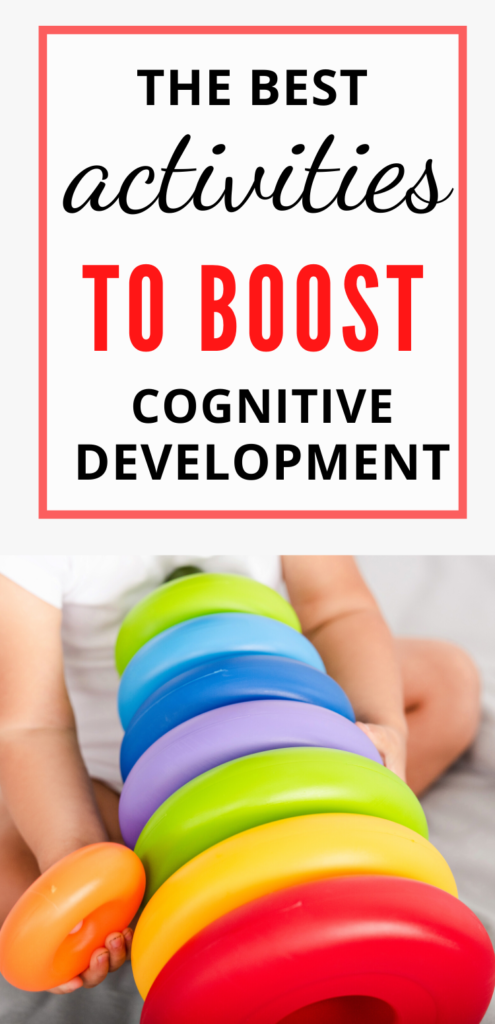
Toys should match a baby’s age and skills. Simple shapes and bright colors attract attention. Toys that make soft sounds encourage listening and cause-effect learning. Safe materials and no small parts prevent choking hazards. Rotate toys to keep the baby interested and engaged.
Encouraging Movement
Movement helps babies learn about their bodies and space. Gently guide arms and legs during play to build strength. Create moments for reaching, grasping, and kicking. Allow free movement in a safe area to explore independently. Celebrate small movements to encourage more activity.
Consistent Sleep Patterns
Consistent sleep patterns play a key role in a newborn’s brain growth. Babies need regular sleep to process new information and build strong brain connections. A steady sleep schedule helps the brain develop in healthy ways.
Sleep’s Role In Brain Development
Sleep supports memory and learning in newborns. During sleep, the brain sorts through the day’s experiences. It strengthens important connections and clears out unnecessary ones. This process helps babies learn and grow.
Deep sleep also releases growth hormones. These hormones aid physical and brain development. Without enough sleep, a baby’s brain may not develop fully. Consistent sleep helps the brain work at its best.
Creating A Sleep Routine
Set a regular bedtime and wake-up time for your baby. A calm environment signals the brain it is time to rest. Use soft lights and gentle sounds to create calmness.
Follow the same steps before each sleep, like a bath or lullaby. This consistency helps the baby feel safe and ready to sleep. Avoid bright screens or loud noises before bedtime. A good routine makes falling asleep easier and more natural.
Monitoring Milestones
Monitoring milestones helps parents understand a newborn’s cognitive growth. It shows how the baby learns and reacts to the world. Watching these steps helps spot strengths and areas needing support. Early checks build a strong foundation for future learning.
Tracking Cognitive Skills
Track simple actions like eye contact and smiling. Notice if the baby responds to sounds or voices. Observe how they follow moving objects with their eyes. These signs show how the brain develops and connects.
Keep a journal to note new skills and changes. Use it during doctor visits for better advice. Each baby grows at their own pace, so compare gently.
When To Seek Help
Seek help if the baby does not show key skills by set times. For example, no eye contact by three months may need attention. Lack of response to sounds or no smiling by six months are signs.
Consult a healthcare provider if you feel worried. Early support can improve development and ease challenges. Trust your instincts; you know your baby best.
Frequently Asked Questions
What Activities Boost Cognitive Growth In Newborns?
Engage newborns with gentle talking, singing, and facial expressions. These activities stimulate brain connections and language skills early on. Tummy time also encourages motor development and spatial awareness, crucial for cognitive growth.
How Does Sensory Play Aid Newborn Brain Development?
Sensory play exposes newborns to different textures, sounds, and sights. This variety helps form neural pathways that enhance learning and memory. Using safe toys and household items encourages exploration and cognitive skills.
When Should Cognitive Development Activities Start For Babies?
Cognitive development activities should start from birth. Early stimulation supports brain plasticity and faster learning. Simple interactions like eye contact and responsive caregiving lay a strong foundation for future skills.
Can Reading To Newborns Improve Cognitive Skills?
Yes, reading to newborns promotes language acquisition and listening skills. It also strengthens bonding and attention span. Choose colorful, simple books to make reading sessions engaging and beneficial.
Conclusion
Promoting cognitive development in newborns takes time and care. Simple activities like talking, singing, and gentle play help their brains grow. Consistent love and attention build strong foundations for learning. Every small step matters in shaping their future skills. Stay patient and enjoy these precious moments with your baby.
Their mind will develop best with your support and warmth. Keep encouraging curiosity and exploration daily. This early care sets the stage for lifelong learning and success.


