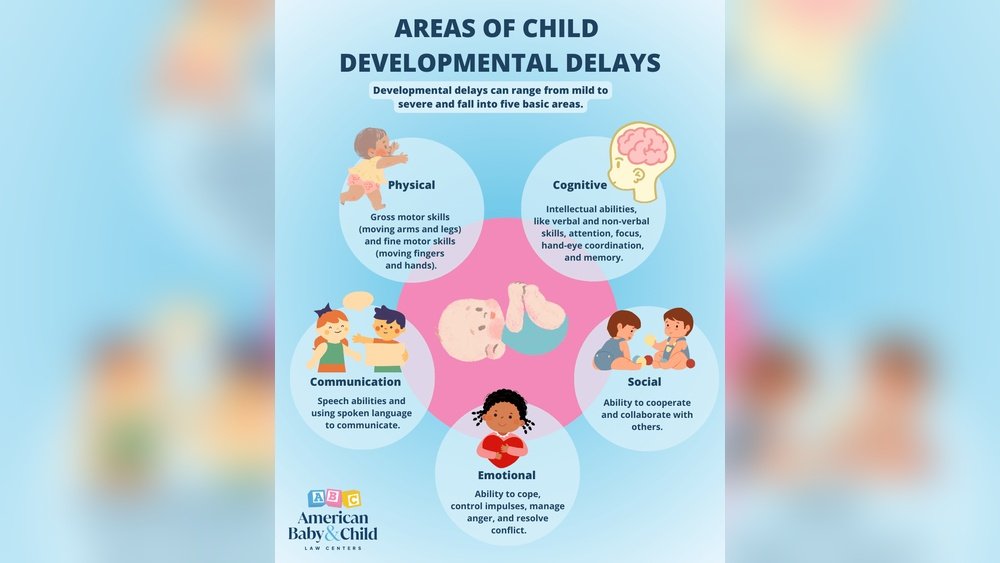
Watching your newborn’s mind grow and develop is one of the most exciting parts of parenthood. But how do you know if your baby is reaching the right milestones?
How can you keep track of their cognitive progress without feeling overwhelmed? This guide will help you understand simple, effective ways to monitor your baby’s mental growth. By learning what to look for and how to support your little one, you’ll feel more confident in nurturing their bright future.
Keep reading to discover practical tips that make a real difference for your baby’s development.

Signs Of Healthy Cognitive Growth
Signs of healthy cognitive growth in newborns help parents understand their baby’s brain development. These signs show how well the baby learns, thinks, and remembers. Watching these signs closely can give early clues about a child’s mental progress.
Recognizing these signs allows parents to support their baby’s learning journey. It also helps detect any delays early. Early support can make a big difference in a child’s future abilities.
Milestones To Watch
Babies reach key milestones as their brains grow. Around two months, they start to follow objects with their eyes. By four months, many babies begin to smile and respond to sounds. Six months is often when they show curiosity by reaching for things. These milestones mark steady brain development and learning.
Behavioral Indicators
Healthy cognitive growth shows in a baby’s behavior. Babies who explore their surroundings with interest show good brain function. They learn cause and effect by shaking or dropping toys. Babies who react differently to new people or sounds also show mental awareness. These behaviors reflect brain connections growing stronger.
Early Communication Skills
Communication starts early, even before words. Newborns use cries and coos to express needs. By three to six months, babies begin to babble and imitate sounds. This shows brain development in language areas. Responding to voices and making eye contact also indicate healthy communication growth.

Simple Activities To Encourage Development
Simple activities help support your newborn’s brain growth every day. Small moments of care and attention can boost learning and memory. These activities create a strong foundation for future skills.
Try to include fun and easy ways to interact with your baby. These moments also build trust and comfort between you and your child.
Interactive Play Ideas
Play is important for brain development. Use soft toys that make sounds or have different textures. Move toys slowly to catch your baby’s eye. Copy the sounds your baby makes to encourage talking. Smile and laugh often. These actions teach your baby to communicate and explore.
Reading And Talking Habits
Talk to your baby throughout the day. Describe what you are doing and name objects. Read simple books with bright pictures. Point to pictures and say their names clearly. This helps your baby learn new words and sounds. Hearing your voice is soothing and builds listening skills.
Sensory Stimulation Techniques
Use different textures, colors, and sounds to stimulate senses. Gently touch your baby’s hands and feet with soft cloths. Play music or nature sounds softly in the background. Show colorful objects and let your baby watch them move. Sensory play helps the brain connect what it sees, hears, and feels.
Tracking Progress Over Time
Tracking your newborn’s cognitive growth over time helps you understand their development. Watching small changes and milestones shows how your baby learns and adapts. Keeping a record makes it easier to spot patterns and areas needing extra attention. This process strengthens your bond and supports healthy growth.
Creating A Development Journal
Writing down your baby’s daily and weekly progress creates a clear picture of growth. Note behaviors, new skills, and reactions to sounds or sights. A simple notebook or digital document works well. Record dates and details to track changes accurately. These notes become valuable for sharing with caregivers or doctors.
Using Mobile Apps And Tools
Many apps help parents track newborn development easily. They offer reminders for milestones and allow you to log observations quickly. Choose apps with clear instructions and simple interfaces. Some apps provide tips based on your baby’s age. Using these tools keeps tracking organized and stress-free.
When To Seek Professional Advice
Consult a doctor if your baby misses major milestones for their age. Signs include little eye contact, no response to sounds, or lack of movement. Early advice helps address potential issues sooner. Professionals can guide you with tests and therapy if needed. Trust your instincts and ask for help anytime.

Nutrition And Sleep Impact
Nutrition and sleep play a vital role in a newborn’s brain development. Both affect how babies learn and grow. Proper food and good sleep help build strong cognitive skills. Parents can support their baby’s brain by focusing on these two areas.
Foods That Support Brain Growth
Breast milk is rich in nutrients that help brain cells grow. It contains fats and proteins needed for brain development. For formula-fed babies, choose options fortified with DHA and ARA. These fatty acids support memory and learning.
Introducing solid foods around six months adds important vitamins. Foods like pureed carrots, sweet potatoes, and avocados provide essential nutrients. Iron-rich foods like pureed meats help oxygen reach the brain.
Establishing Sleep Routines
Newborns need 14 to 17 hours of sleep daily. Creating a consistent bedtime routine calms the baby. Simple steps include dimming lights and gentle rocking. A quiet environment signals the brain it is time to rest.
Regular sleep times help the brain organize and process information. Avoiding screen exposure before sleep aids in falling asleep faster. A calm routine reduces fussiness and improves sleep quality.
Effects Of Rest On Learning
Sleep helps the brain store new information and skills. During sleep, connections between brain cells strengthen. This process supports memory and problem-solving abilities.
Poor sleep can slow brain development and affect behavior. Well-rested babies show more interest in their surroundings. They respond better to sounds, sights, and touch.
Avoiding Common Pitfalls
Monitoring a newborn’s cognitive growth requires care and attention. Avoiding common pitfalls helps support healthy development. Some mistakes can slow progress or cause stress for both baby and parents. Knowing these risks can make the journey smoother and more rewarding.
Overstimulation Risks
Too much noise or activity can overwhelm a baby’s senses. Overstimulation may cause fussiness or trouble sleeping. Babies need quiet time to rest and process new information. Watch for signs like turning away or crying. Simple, calm environments support better brain growth.
Ignoring Subtle Signs
Newborns often show small clues about their needs or challenges. Ignoring these signs can delay important help. Look for changes in eye contact, movement, or sounds. Early attention to these details helps catch issues early. Responding quickly supports stronger cognitive skills.
Balancing Screen Time
Screen time can affect a baby’s brain development negatively. Bright lights and fast images may be too intense. Limit screen exposure and prefer real-world interaction. Talking, playing, and reading with your baby boosts learning. Balance technology use with hands-on experiences for best results.
Frequently Asked Questions
How Can I Track My Newborn’s Cognitive Milestones?
Track milestones by observing your baby’s responses to sounds, sights, and touch. Note when they smile, babble, or reach for objects. Use milestone charts to compare typical development stages. Regular pediatric check-ups also help monitor cognitive growth effectively.
What Are Signs Of Healthy Cognitive Development In Newborns?
Healthy cognitive signs include alertness, eye contact, smiling, and responding to voices. Babies should recognize familiar faces and sounds. Early babbling and curiosity about surroundings also indicate good cognitive progress. These behaviors reflect growing brain function and sensory awareness.
How Often Should I Monitor My Newborn’s Cognitive Growth?
Monitor cognitive growth weekly by observing new skills and reactions. Frequent, gentle interactions help assess progress. Keep a journal of milestones and share concerns with your pediatrician during regular visits. Early detection of delays improves intervention success.
Which Activities Boost Newborn Cognitive Development?
Engage in talking, singing, and reading to stimulate your baby’s brain. Provide colorful toys and safe objects for exploration. Gentle touch and eye contact build emotional and cognitive connections. These activities foster learning and sensory development in newborns.
Conclusion
Monitoring your newborn’s cognitive growth helps support healthy development. Watch for new skills and celebrate small milestones. Spend quality time talking, reading, and playing with your baby daily. These actions build strong brain connections and learning habits. Trust your instincts and ask a doctor if you notice delays.
Early care makes a big difference in your child’s future. Stay patient and enjoy each step of the journey. Your attention shapes your baby’s bright mind. Keep learning and growing together every day.


