
Watching your newborn grow is one of the most exciting experiences you’ll have as a parent. But how do you know if your baby is reaching their important growth milestones on time?
You want to be sure your little one is developing well, and that’s where monitoring these milestones comes in. You’ll discover simple ways to track your baby’s progress, spot any early signs of concern, and feel confident that your child is on the right path.
Keep reading to learn how to stay informed and support your newborn’s healthy development every step of the way.
Key Growth Milestones
Tracking your newborn’s growth milestones helps ensure healthy development. These milestones show progress in different areas. Each baby grows at their own pace but key signs guide parents and caregivers.
Growth milestones fall into three main categories: physical development, cognitive skills, and social and emotional growth. Knowing what to expect in each area helps you support your baby better.
Physical Development
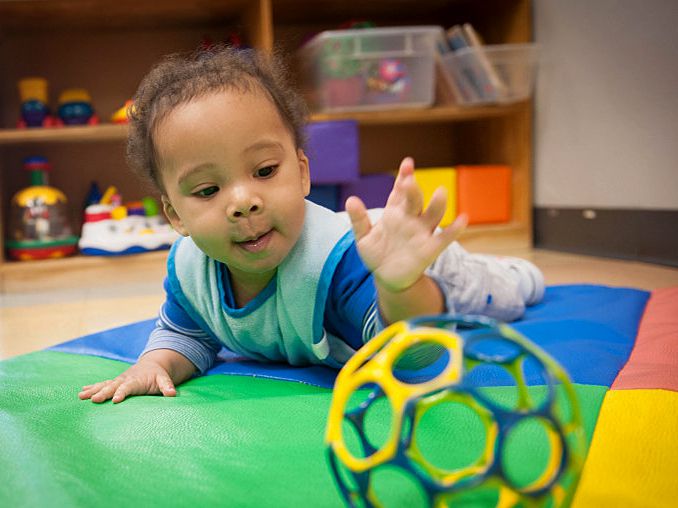
Physical milestones include changes in muscle strength and coordination. Look for head control, rolling over, and sitting up. Babies start to reach, grasp, and eventually crawl or walk. These skills show muscle and motor progress. Regular checkups often measure weight and length growth too.
Cognitive Skills
Cognitive milestones relate to thinking and learning abilities. Babies begin to recognize faces and sounds. They show curiosity by exploring objects and surroundings. Simple problem solving, like reaching for toys, is a key sign. Language skills start with cooing and babbling before speaking words.
Social And Emotional Growth
Social milestones involve interaction with people. Babies smile, respond to voices, and enjoy eye contact. They begin to express emotions like joy or distress. Attachment to caregivers builds trust and comfort. This growth area helps babies form healthy relationships later.
Tracking Techniques
Tracking your newborn’s growth milestones helps ensure healthy development. Parents can use simple techniques to follow progress closely. These methods make it easier to spot any delays early. Consistent tracking builds confidence and supports your baby’s growth journey.
Using Growth Charts
Growth charts show your baby’s weight, length, and head size. Doctors use these charts to compare your child with others the same age. You can track changes over time by marking measurements on the chart. This helps identify steady growth or any sudden changes that need attention.
Recording Developmental Progress
Keep a daily or weekly journal of your baby’s new skills. Note when they smile, roll over, or make sounds. Writing down these moments helps you see patterns in development. It also guides conversations with your pediatrician during check-ups.
Recognizing Normal Variations
Every baby grows at their own pace. Some may walk earlier, others later, and both can be healthy. Understanding normal variations reduces stress for parents. Watch for steady progress rather than comparing strictly with others.
Signs To Watch For
Monitoring your newborn’s growth milestones helps track their healthy development. Signs to watch for can tell you if your baby is on the right path. Early detection of any delays or concerns allows timely support and care. Pay attention to how your baby moves, talks, and behaves. These clues help you understand their progress.
Delays In Motor Skills
Notice if your baby struggles to lift their head by three months. Watch for missed milestones like rolling over or sitting up. Lack of movement or weak muscle tone can signal delays. Babies usually start crawling between six and ten months. Delays in these steps might need a doctor’s advice.
Speech And Language Concerns
Babies begin cooing and babbling by three to six months. By one year, many say simple words like “mama” or “dada.” If your baby does not respond to sounds or voices, take note. Lack of babbling or speech attempts after a year is a warning sign. Early speech issues can affect communication skills later.
Behavioral Indicators
Watch for unusual behaviors such as extreme fussiness or lack of eye contact. Babies usually smile and respond to faces by two months. Lack of interest in social interaction can be a concern. Repetitive movements or trouble adapting to changes may show behavioral challenges. These signs help identify possible developmental issues early.

Parental Role
Parents play a key role in tracking their newborn’s growth milestones. They watch for changes in movement, speech, and social skills. Their involvement helps spot any delays early. Understanding the normal steps of development guides parents on what to expect. This knowledge builds confidence and supports the baby’s progress every day.
Encouraging Milestone Achievement
Parents can support their baby’s growth by offering gentle encouragement. Talking, singing, and playing with the baby helps build skills. Simple activities like tummy time strengthen muscles needed for crawling. Smiling and making eye contact promote social development. Praise and patience motivate the baby to try new things.
Creating A Stimulating Environment
A safe and rich environment boosts learning and exploration. Bright colors, soft toys, and varied textures invite curiosity. Changing the setting often keeps the baby interested. Sounds like music or nature noises sharpen hearing. A calm space with few distractions helps focus on new skills.
Maintaining Regular Pediatric Visits
Doctors track growth with scheduled check-ups. They measure height, weight, and head size. Pediatricians assess motor skills and reflexes. Parents share observations about feeding and sleeping habits. Regular visits catch concerns early and ensure proper development support.
When To Seek Help
Knowing when to seek help with your newborn’s growth milestones is very important. Babies develop at their own pace, but some signs need attention. Early action can make a big difference. Trust your instincts if something feels off. Don’t wait too long to get advice from a professional.
Early Intervention Benefits
Getting help early can improve your baby’s chances of catching up. It supports brain growth and skill development. Early intervention can reduce future challenges. It also helps parents learn ways to support their child. The sooner the support starts, the better the results.
Consulting Specialists
Specialists know how to spot delays and problems. Pediatricians, therapists, and developmental doctors can guide you. They perform tests and observe your baby’s behavior. They create plans to help your baby grow. Don’t hesitate to ask for a referral if needed.
Support Resources
Many resources are available for parents and babies. Support groups can offer advice and comfort. Educational materials help you understand milestones better. Community programs provide therapy and learning activities. Use these resources to boost your baby’s progress.

Frequently Asked Questions
What Are Key Newborn Growth Milestones To Track?
Key newborn milestones include lifting the head, smiling, grasping objects, and responding to sounds. Tracking these shows healthy development and helps detect delays early.
How Often Should I Monitor My Newborn’s Growth?
Monitor growth monthly during the first year. Regular check-ups with your pediatrician ensure your baby meets developmental milestones on time.
Which Tools Help Track Newborn Development Effectively?
Growth charts, milestone checklists, and baby journals help track newborn progress. These tools provide clear insights into physical and cognitive development stages.
When Should I Consult A Doctor About Delayed Milestones?
Consult a doctor if your baby misses milestones by 1-2 months. Early intervention can address potential developmental issues promptly.
Conclusion
Tracking your newborn’s growth milestones helps you see their progress clearly. Celebrate each small step your baby takes. Keep notes to share with your doctor during visits. Trust your instincts if something feels off. Regular check-ups support your baby’s healthy development.
Remember, every child grows at their own pace. Stay patient and enjoy these precious moments together. Monitoring growth creates a strong foundation for your child’s future. Keep learning and caring with love and attention.


