Are you wondering how to keep track of your newborn’s alert and active periods? Understanding these crucial moments can help you respond better to your baby’s needs and support their growth.
By learning how to monitor when your baby is most awake and engaged, you’ll feel more confident in caring for them and spotting important changes early. Keep reading to discover simple, effective ways to observe your newborn’s alertness and activity—because knowing your baby’s natural rhythms makes all the difference.
Alert And Active Periods Explained
Newborns have special times called alert and active periods. These times help parents understand their baby’s needs better. Watching these periods closely helps in bonding and care. It also supports feeding and emotional connection.
Knowing about alert and active periods helps parents respond well. It makes caring for the newborn easier and more effective. These moments are natural and important parts of early life.
What Are Alert And Active Periods
Alert periods are times when babies are awake and calm. They look around and watch things quietly. During this time, babies are ready to interact and learn.
Active periods come after the alert phase. Babies move more, make sounds, and show energy. They may fuss or cry if they need something. These periods are signs of growing awareness and need for attention.
Importance For Newborn Care
Alert and active periods guide parents on when to feed and play. Babies accept feeding better during alert times. This helps with better digestion and comfort.
Responding to active periods helps soothe the baby. It builds trust and security between baby and parent. Parents can also spot any unusual behavior early.
Understanding these periods reduces stress for parents. It gives a routine to follow without guessing. This knowledge supports a healthy and happy baby.
:max_bytes(150000):strip_icc()/parentshealthybaby-e829389850cd4826a81a7b765ce1f44c.png)
Recognizing Signs In Newborns
Recognizing signs in newborns helps parents understand their baby’s needs better. Babies show different behaviors and physical changes during alert and active periods. These signs guide caregivers to respond with care and support. Observing these signs closely improves bonding and helps in nurturing the baby effectively.
Behavioral Cues
Newborns display clear behavioral cues during alert and active times. They often make eye contact and follow moving objects. Babies may move their arms and legs more actively. They might also show facial expressions like smiling or frowning. Listening to their sounds, such as cooing or fussing, helps identify their mood. These behaviors signal the baby’s readiness to interact or need for comfort.
Physical Indicators
Physical signs also reveal a newborn’s alertness. Watch for changes in breathing patterns—calm and steady breaths suggest alertness. Muscle tone increases, making the baby appear more awake and engaged. The baby’s skin color might look brighter during active periods. Pupils may dilate as the baby focuses on objects. Recognizing these signs helps caregivers provide timely attention and care.
Timing And Duration Patterns
Understanding your newborn’s alert and active times helps you care better. Babies have natural cycles of wakefulness and rest. These cycles have typical times and lengths. Watching these patterns helps you know when your baby is ready to interact or needs rest.
Typical Alert Period Timings
Newborns usually have alert periods after waking. These times occur throughout the day and night. Most alert phases last a few minutes to about half an hour. Early alert periods often happen right after feeding or sleep. These moments are best for bonding and gentle play.
Alert times vary with each baby. Some may stay alert longer in the morning. Others show more alertness in the evening. Parents learn their baby’s usual alert timings over days and weeks.
Active Period Lengths
Active periods mean your baby moves more and reacts to sounds or touch. These periods can last from 10 to 30 minutes. Active times include stretching, arm waving, or looking around. Your baby may fuss or make noises during this phase.
Active periods are shorter in newborns than in older babies. These bursts of activity help the baby develop muscles and senses. Watch for signs your baby is tired to avoid overstimulation. Rest often follows active periods, balancing energy and calm.
Monitoring Techniques
Monitoring alert and active periods in newborns helps parents understand their baby’s needs. It also supports healthy development. Different techniques help track these important times easily and accurately.
Observation Methods
Watching your baby closely is the simplest way to monitor alert periods. Notice when your baby’s eyes are open and focused. Look for movements like stretching or kicking. These signs show the baby is alert and ready to interact.
Record these observations regularly to see patterns. Keep a small notebook or use a simple chart. Note the time and length of alert periods. This helps identify when your baby is most active during the day.
Using Technology For Tracking
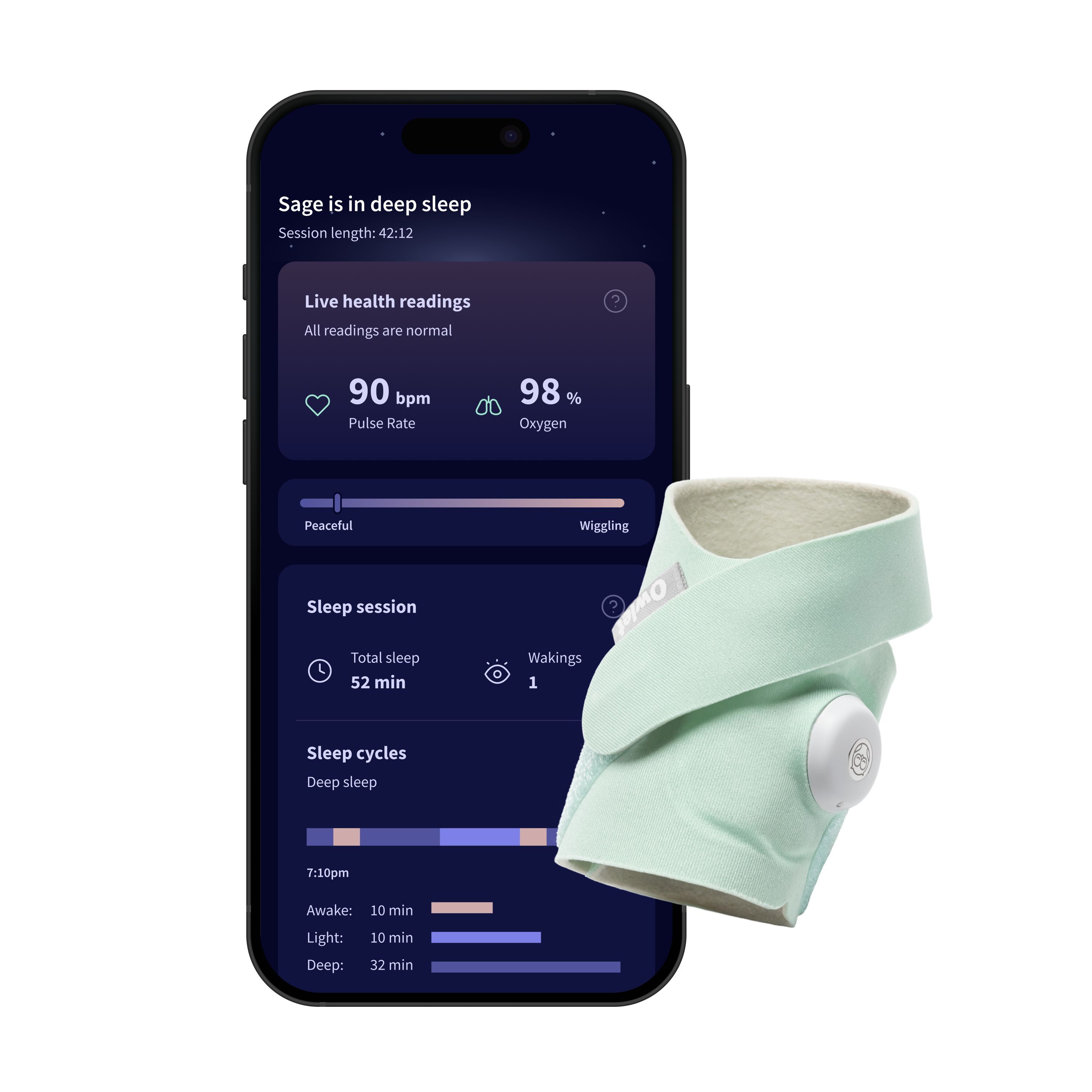
Technology offers tools to track newborn activity more precisely. Baby monitors with video and sound let you watch alert periods from another room. Some devices track sleep and awake cycles automatically.
Apps designed for newborn care can log alert times and active moments. They send reminders and summaries to your phone. This helps keep a consistent monitoring routine without extra effort.
Responding To Alert And Active Periods
Alert and active periods are important times to connect with your newborn. During these moments, your baby is awake, focused, and ready to engage with the world. Responding correctly helps build trust and supports healthy growth. It also makes feeding and care easier for both of you.
Recognizing these periods allows you to meet your baby’s needs better. Your attention and actions can soothe, feed, or stimulate your child. This creates a positive cycle of comfort and alertness. Being gentle and patient during these times strengthens your bond.
Feeding Strategies
Feed your baby during alert periods for better results. Your baby is more likely to latch well and feed fully. Watch for hunger cues like sucking motions or lip movements. Offer the breast or bottle calmly and quietly. Avoid rushing or forcing the feed. Let your baby set the pace. Small, frequent feeds often work best. This supports digestion and keeps your baby comfortable.
Engagement And Interaction Tips
Use alert times to interact and play gently. Talk softly and smile to catch your baby’s attention. Simple games like peek-a-boo or gentle touch work well. Show your face clearly and maintain eye contact. This helps your baby learn social skills. Avoid loud noises or bright lights that may upset your child. Keep interactions short and positive. Stop if your baby shows signs of tiredness or fussiness.
Common Challenges And Solutions
Monitoring alert and active periods in newborns can be tricky. Many parents face challenges understanding their baby’s unique rhythms. These challenges can cause stress and confusion. Knowing common problems and how to solve them helps parents care better. It also supports the baby’s healthy development.
Dealing With Irregular Patterns
Newborns often have irregular alert and active times. Their sleep and awake cycles may change daily. This irregularity can make it hard to predict their needs. Parents can keep a simple diary to track these patterns. Recording times helps notice trends over days. This method allows parents to prepare for changes calmly. Patience is key. Babies will develop more regular patterns as they grow.
Managing Overstimulation
Newborns can get overstimulated easily during alert periods. Too much noise, light, or activity can upset them. Overstimulation may cause fussiness and difficulty sleeping. Creating a calm environment helps reduce these effects. Dim lights and soft sounds work well. Limit visitors and loud noises during alert times. Parents should watch for signs of stress in their baby. Taking breaks during play or feeding allows the baby to rest. A peaceful setting supports better alert and active periods.
When To Seek Professional Advice
Knowing when to seek professional advice for your newborn’s alert and active periods is very important. Early help can prevent problems from getting worse. Parents should trust their instincts and observe any unusual signs carefully.
Warning Signs
Watch for changes in your baby’s normal behavior. Sudden irritability or constant crying can signal distress. Lack of eye contact or poor response to sounds may be a concern. If your baby is very sleepy and hard to wake, seek help quickly. Notice if your newborn shows no interest in feeding or playing. Any unusual body movements, like stiff or floppy limbs, need attention. These signs are not normal and need a doctor’s evaluation.
Consulting Pediatric Experts
Contact a pediatrician when you see warning signs. Experts know how to check your baby’s health properly. They can identify if your newborn’s alertness and activity levels are okay. Pediatricians offer advice on care and possible treatments. Regular check-ups allow early detection of problems. Never hesitate to ask questions about your baby’s behavior. Professional guidance helps ensure your newborn grows healthy and strong.

Frequently Asked Questions
What Are Alert And Active Periods In Newborns?
Alert and active periods are times when newborns are awake and responsive. These phases are vital for bonding and feeding. Monitoring them helps parents understand the baby’s needs and cues better, ensuring timely care and interaction.
How Can Parents Monitor Newborn Alertness Effectively?
Parents can track alertness by observing eye contact, movement, and responsiveness. Keeping a daily log of awake times and reactions helps identify patterns. Consistent monitoring aids in understanding the baby’s natural rhythms and supports healthy development.
Why Is Tracking Active Periods Important For Newborn Care?
Tracking active periods helps parents time feedings and interactions. It ensures the baby receives adequate stimulation without overstimulation. Understanding these periods promotes better sleep, growth, and emotional connection with the newborn.
What Tools Assist In Monitoring Newborn Alert And Active Times?
Tools like baby activity trackers, smartphone apps, and simple notebooks can help. These tools record awake times, feeding, and sleeping patterns. Using them offers structured insights into the baby’s alert and active phases.
Conclusion
Monitoring alert and active periods helps you understand your newborn better. These times show when your baby is awake and ready to interact. Watching closely can guide feeding, play, and sleep routines. It also helps spot any unusual changes early on.
Trust your observations and stay patient. Every baby is unique and grows at their own pace. Keep learning and adapting as your newborn develops. This simple habit supports your baby’s health and happiness.


