You hold a tiny, new life in your arms, and every little sound or expression feels like a secret message. But how do you truly understand what your newborn is trying to tell you?
Learning to interpret emotional cues in your baby is key to building a strong, loving bond. When you can read their feelings, you respond with confidence, helping your baby feel safe and loved. Keep reading to discover simple ways to recognize your newborn’s emotional signals and create a deeper connection from day one.

Signs Of Newborn Emotions
Newborns cannot speak, but they express feelings clearly. Understanding these signs helps parents respond with care. Emotional cues show how babies feel inside. Recognizing them builds a strong bond early on.
Facial Expressions
Babies use their faces to show emotions. A smile often means happiness or comfort. Furrowed brows might signal confusion or discomfort. Wide eyes show surprise or interest. Watching these expressions helps you know their mood.
Body Movements
Body language is a key emotional signal. Relaxed limbs suggest calm or contentment. Squirming or stiffening can mean distress or discomfort. Kicking legs might show excitement or frustration. Notice how your baby moves to understand feelings.
Crying Patterns
Crying is a newborn’s main way to communicate. Different cries mean different needs. A soft cry may mean tiredness or mild discomfort. A loud, intense cry signals hunger or pain. Learning these patterns helps meet your baby’s needs faster.
Common Newborn Emotional States
Newborn babies show many different feelings. These feelings help parents know what the baby needs. Understanding these emotions is very important for good care. Babies cannot use words yet. They express feelings through their face, body, and sounds.
Below are some common emotional states in newborns. Recognizing these states helps parents respond with love and care.
Contentment And Joy
Babies feel content when they are warm, fed, and safe. They may smile gently or have relaxed muscles. Soft cooing sounds often show happiness. Content babies look calm and peaceful. They may make eye contact and show curiosity.
Discomfort And Distress
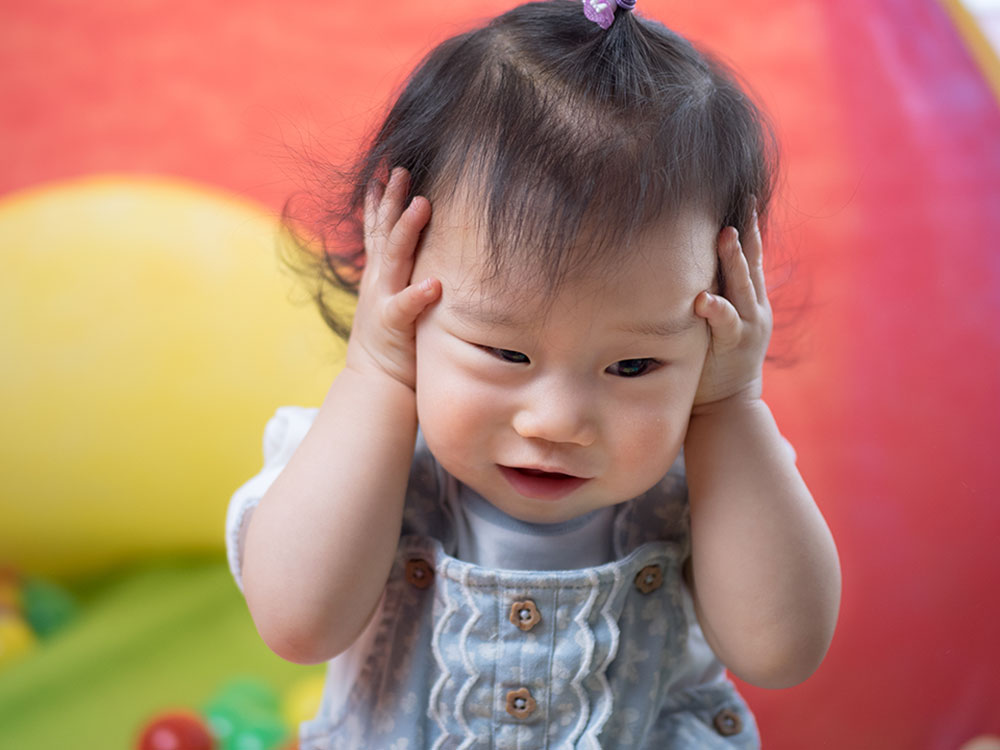
Discomfort is clear when babies cry loudly or fuss. They may arch their back or clench fists. These signs often mean hunger, pain, or a wet diaper. Distressed babies may turn their head away or cry hard. This helps parents know they need help.
Fatigue And Sleepiness
Sleepy babies rub their eyes or yawn. They become less active and may look away. Their movements slow down and they may fuss softly. Sleepiness shows the need for rest and quiet. Helping babies sleep well supports their growth.
Reading Subtle Cues
Newborns cannot speak, but they communicate through subtle signals. Reading these small signs helps understand their feelings. Paying close attention to these clues builds a stronger bond. Parents and caregivers learn what a baby needs or feels.
Eye Movements
A baby’s eyes show a lot about their mood. Rapid eye movement might mean tiredness or dreaming. Wide-open eyes often signal curiosity or alertness. Avoiding eye contact can suggest discomfort or overstimulation. Watching eye patterns helps recognize their emotional state.
Breathing Changes
Breathing shifts often reveal how a baby feels inside. Fast breathing can mean excitement or distress. Slow and steady breathing usually shows calmness. Notice pauses or irregular breaths for signs of discomfort. Understanding breathing helps respond better to a newborn’s needs.
Muscle Tension
Tense muscles often point to stress or discomfort. Relaxed muscles suggest the baby feels safe and content. Clenched fists or stiff legs may signal frustration or tiredness. Gentle stretches and soft touches ease muscle tension. Observing muscle tone offers clues about emotional well-being.
Responding To Emotional Signals
Responding to your newborn’s emotional signals is key to building trust and comfort. Babies use their feelings to tell you what they need. Understanding these signals helps you care for them better. It also strengthens your connection and supports their growth.
Soothing Techniques
Gentle rocking calms many babies quickly. Soft singing or humming can also help. Swaddling your newborn makes them feel safe. A warm bath can relax tense muscles. Quiet, dim rooms reduce overstimulation. Try different methods to find what comforts your baby most.
When To Seek Help
Persistent crying that lasts hours needs attention. If your baby shows no response to comforting, talk to a doctor. Signs like difficulty breathing or unusual skin color require urgent care. Trust your instincts if something feels wrong. Early support can prevent bigger problems.
Building Emotional Bonds
Hold your baby close often to promote bonding. Eye contact helps your newborn feel secure. Respond quickly to their cries to build trust. Talk softly to create a soothing environment. These actions help your baby feel loved and safe every day.
Tracking Emotional Development
Tracking a newborn’s emotional development helps parents understand their baby’s feelings. It shows how babies start to express joy, fear, or discomfort. Watching these signs closely builds a stronger parent-child bond. It also guides parents on when to offer comfort or support.
Emotional growth in newborns happens step by step. Each stage brings new ways for babies to communicate their needs and moods. Knowing what to expect makes caring for your baby easier and more rewarding.
Milestones To Watch
Newborns begin with simple reactions like crying or smiling. By six weeks, many babies start social smiles. Around three months, babies may show excitement by waving arms. Six months often brings signs of stranger anxiety. These milestones mark healthy emotional growth.
Variations Among Babies
Each baby grows emotionally at their own pace. Some smile earlier, while others take more time. Temperament also plays a role in emotional expression. Some babies are calm, others more sensitive. Differences are normal and show unique personalities.
When To Consult Professionals
Seek help if your baby shows no smiles by three months. Lack of response to sounds or faces may also signal concerns. Persistent irritability or extreme withdrawal needs attention. Early advice from doctors supports healthy emotional development.
Frequently Asked Questions
What Are Common Emotional Cues In Newborns?
Newborns show emotions through facial expressions, crying, and body movements. Smiles indicate contentment, while fussiness signals discomfort. Observing these signs helps parents understand their baby’s needs and feelings effectively.
How Can I Tell If My Newborn Is Happy?
A happy newborn often smiles, makes eye contact, and has relaxed body language. They may coo softly and appear calm. These cues show they feel safe and content in their environment.
Why Does My Newborn Cry Differently Sometimes?
Newborns use varied cries to express hunger, pain, or tiredness. A hungry cry is rhythmic, while a pain cry is sharp and intense. Recognizing these helps parents respond appropriately to their baby’s needs.
How Do Newborns Show Stress Or Discomfort?
Signs of stress include furrowed brows, clenched fists, and rapid breathing. Newborns may also turn away or arch their backs. Identifying these cues allows timely comfort and reduces distress.
Conclusion
Understanding your newborn’s emotional cues helps build strong bonds. Watch their facial expressions and sounds carefully. These signals show how your baby feels inside. Responding with love and patience supports their growth. Each small sign teaches you more about their needs.
Trust your instincts as you learn together. Emotional connection starts with simple attention and care. Keep observing daily; it deepens your relationship. Caring for emotions helps your baby feel safe and loved. This early communication sets the stage for healthy development.


