Are you struggling to get your newborn to nap longer? You’re not alone.
Those short, unpredictable naps can leave you feeling exhausted and overwhelmed. But what if you could gently help your baby sleep more soundly and for longer stretches? Imagine having extra quiet moments to recharge or get things done. You’ll discover simple, effective ways to extend your newborn’s naps.
These tips are designed to fit into your daily routine and make nap time easier for both you and your baby. Keep reading to unlock the secrets of longer, peaceful naps.

Why Newborn Naps Are Short
Newborn naps are often short and seem to end quickly. Many parents wonder why their baby wakes up so fast. Understanding the reasons behind short naps helps in creating better sleep routines for newborns. Several factors affect the length of newborn naps. These include how their sleep cycles work, their hunger needs, and changes in their surroundings.
Sleep Cycles In Newborns
Newborns have shorter sleep cycles than adults. Each cycle lasts about 40 to 50 minutes. Babies go through light and deep sleep during these cycles. Light sleep is easier to wake from. When a cycle ends, babies often wake up briefly. This natural pattern makes naps shorter than adult naps.
Hunger And Sleep Patterns
Newborns need to eat often because their stomachs are small. Hunger wakes them up from naps. Babies may sleep less if they are hungry. Feeding before naps can help them sleep longer. Still, their need for regular feeding limits nap length.
Environmental Disruptions
Noise, light, and temperature changes can disturb newborn naps. Babies are sensitive to their surroundings. A sudden sound or bright light can wake them. A calm and quiet room supports longer naps. Keeping the environment steady helps babies stay asleep.

Creating A Sleep-friendly Environment
Creating a sleep-friendly environment helps newborns sleep longer. A calm and cozy space supports better naps. Small changes in the room can make a big difference. Focus on temperature, light, noise, and clothing to improve sleep quality.
Optimizing Room Temperature
Keep the room cool but not cold. Ideal temperature is between 68°F and 72°F. A room too hot or too cold disturbs naps. Use a fan or heater with a thermostat. Check the temperature often to keep it steady.
Controlling Light And Noise
Dark rooms help babies sleep longer. Use blackout curtains to block outside light. Soft white noise can mask sudden sounds. Avoid loud noises that might startle your baby. A quiet, dark room creates a peaceful sleep zone.
Choosing Comfortable Sleepwear
Dress your baby in soft, breathable clothes. Cotton pajamas work well for most seasons. Avoid clothes that are too tight or heavy. Check for tags or seams that irritate skin. Comfortable sleepwear helps your newborn feel safe and rest well.
Establishing A Consistent Routine
Establishing a consistent routine helps your newborn feel safe and calm. Babies thrive on predictability. A steady routine sets clear signals for sleep time. This consistency can gently guide your baby to nap longer and better. Routines also reduce fussiness and make naps smoother.
Start with regular nap times and follow a simple pattern each day. This helps your baby’s body clock adjust. Over time, your newborn will learn when to expect rest. Consistent routines make naps peaceful and more restful.
Timing Naps Around Feeding
Feed your baby before naps to avoid hunger waking them. A full tummy helps your newborn settle quickly. Try to keep feeding times steady each day. This supports better digestion and comfort during sleep. Avoid feeding right before nap time to prevent discomfort. Aim for feeding 20-30 minutes before your baby’s nap.
Pre-nap Soothing Techniques
Calm your baby before naps with gentle soothing. Soft rocking, a quiet voice, or a warm bath can help. Use the same soothing steps every nap time. This signals your baby that sleep is near. Avoid loud noises or bright lights before naps. Keep the environment peaceful and dim to ease your baby into rest.
Recognizing Sleep Cues
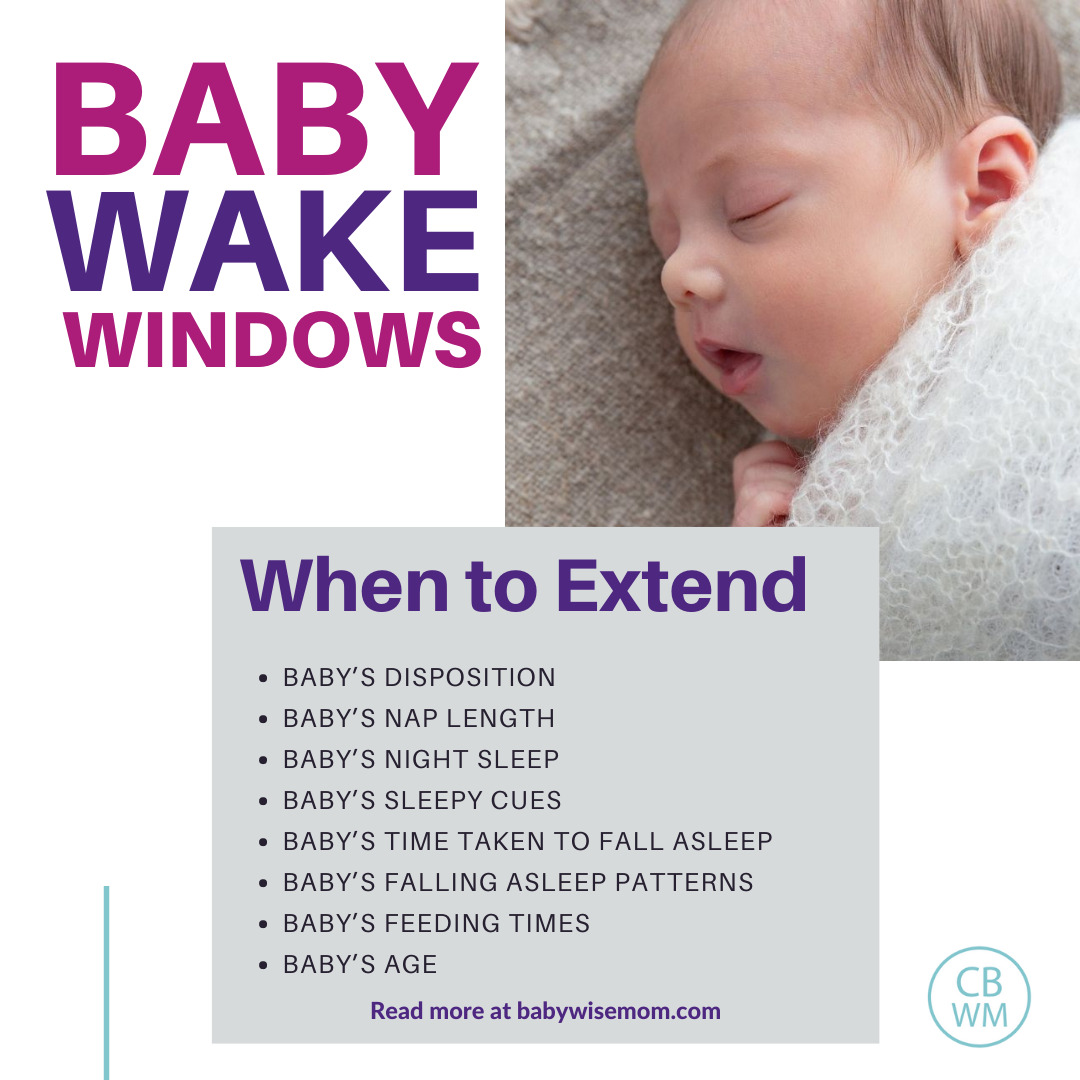
Watch for signs your baby needs sleep. Rubbing eyes, yawning, or fussiness are common clues. Catch these early to avoid overtiredness. Put your baby down as soon as you see these signals. Responding quickly helps your newborn fall asleep faster. Learning your baby’s cues improves nap length and quality.
Techniques To Extend Nap Duration
Extending your newborn’s nap time can help both baby and parents feel more rested. Using simple, gentle techniques can encourage longer, more peaceful naps. Each method helps your baby stay calm and comfortable. Consistency is key to seeing good results.
Gentle Rocking And Swaddling
Rocking soothes babies by mimicking the motion they felt in the womb. Gentle, slow rocking calms them and helps them fall asleep faster. Swaddling keeps babies snug and secure, which reduces startling. This comfort helps babies stay asleep longer. Use soft blankets and wrap snugly but not too tight.
Using White Noise Machines
White noise machines create a steady, calming sound that blocks sudden noises. This helps babies stay asleep even if the environment is noisy. The sound mimics the constant noise babies heard in the womb. Keep the volume low and place the machine a few feet away. This creates a peaceful atmosphere for longer naps.
Gradual Sleep Training Methods
Sleep training helps babies learn to fall asleep on their own. Start by letting your baby settle before you pick them up. Increase the time you wait gradually each day. This teaches self-soothing and reduces waking during naps. Be patient and consistent for the best results.
Common Challenges And Solutions
Extending newborn naps can be tough. Many parents face common challenges. These issues affect how well babies sleep during the day. Understanding these problems helps in finding easy solutions. This section covers typical struggles and ways to handle them.
Dealing With Nap Resistance
Some babies fight naps. They may cry or stay awake longer. This happens when they feel overstimulated or tired. Create a calm environment before nap time. Use soft lights and quiet sounds. Follow a consistent nap routine. Gentle rocking or a pacifier can soothe a restless baby.
Managing Growth Spurts
Growth spurts often disrupt sleep. Babies may be hungrier or fussier. They might nap less or wake up early. Offer extra feedings to satisfy their needs. Keep nap times flexible for these phases. Be patient and watch for signs of tiredness. Rest will improve as growth slows down.
Handling Nighttime Sleep Impact
Poor nighttime sleep affects daytime naps. Babies who wake often at night may resist naps. Establish a bedtime routine to improve night sleep. Avoid long naps late in the day. Ensure the baby is well-fed and comfortable at night. Balanced sleep helps extend naps during the day.
When To Seek Professional Advice
Knowing when to seek professional advice about your newborn’s sleep is very important. Some sleep issues need expert help to keep your baby healthy and happy. Early guidance can prevent bigger problems later.
Watch your baby closely. If naps are very short or very restless, it may be time to talk to a doctor. Professionals can find the cause and suggest good solutions.
Signs Of Sleep Disorders
Frequent waking during naps is a key sign. Loud snoring or breathing pauses can also be warnings. If your baby is very fussy or hard to calm, sleep disorder might be a reason. Poor weight gain and constant tiredness are other signals.
Consulting Pediatricians
Pediatricians know a lot about newborn sleep patterns. They check for medical issues affecting sleep. They can offer advice on safe sleep habits. Your doctor may suggest tests or treatments if needed. Keep all sleep concerns ready for your visits.
Sleep Specialist Options
Some babies need care from sleep specialists. These experts focus only on sleep problems. They use tests and observations to find causes. Specialists create plans to improve sleep quality. Referrals from your pediatrician usually lead to these experts.
Frequently Asked Questions
How Can I Help My Newborn Nap Longer?
Create a calm sleep environment with dim lights and white noise. Swaddle your baby snugly and maintain a consistent nap routine. Avoid overstimulation before naps and respond promptly to sleep cues to encourage longer naps.
What Are The Best Nap Times For Newborns?
Newborns typically nap every 1. 5 to 2 hours throughout the day. Aim for naps lasting 30 minutes to 2 hours, ensuring your baby gets 14-17 hours of total sleep daily. Watch for sleepy signs to time naps effectively.
Should I Use White Noise For Newborn Naps?
Yes, white noise mimics the womb’s sounds and soothes newborns. It can help mask household noises and promote longer, uninterrupted naps. Use a consistent, gentle white noise machine at a low volume for best results.
How Do I Know If My Newborn Is Tired Enough To Nap?
Look for signs like eye rubbing, yawning, fussiness, or decreased activity. Responding quickly to these cues helps your newborn fall asleep faster. Avoid letting your baby become overtired, which can shorten nap durations.
Conclusion
Extending newborn naps takes patience and gentle care. Watch your baby’s sleepy signs closely. Create a calm, quiet space for naps. Keep a regular sleep routine every day. Avoid loud noises and bright lights near nap time. Small changes help your baby sleep longer.
Rested babies feel happier and grow better. Remember, every baby is different. Stay calm and keep trying. Your efforts will help your baby rest well. Sweet naps lead to happy days.


